验证数据展示
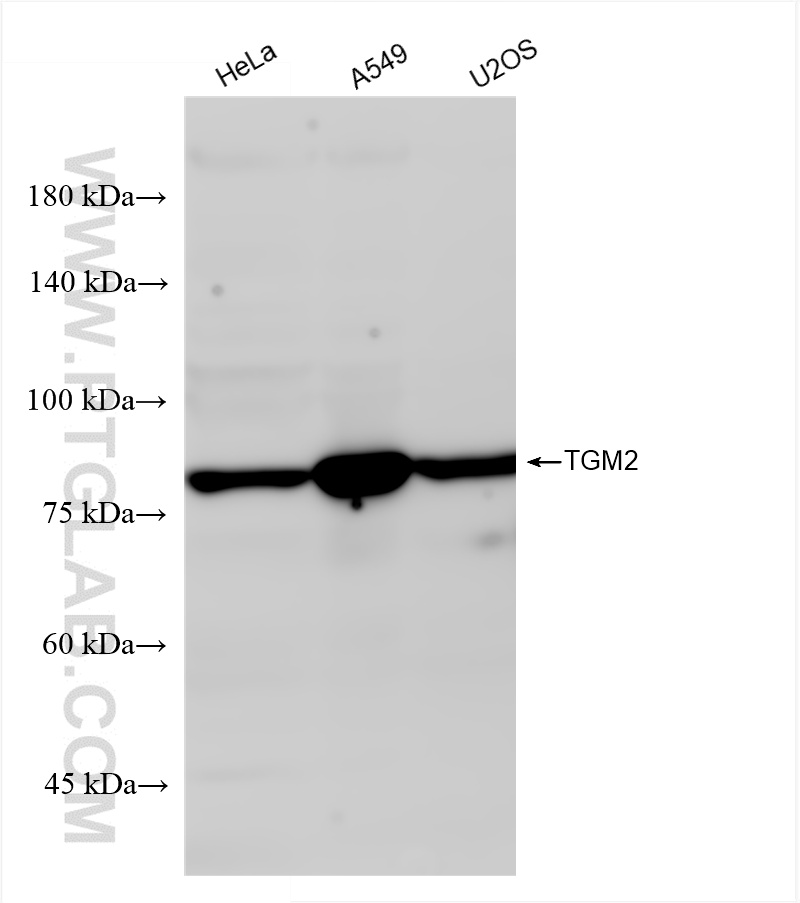
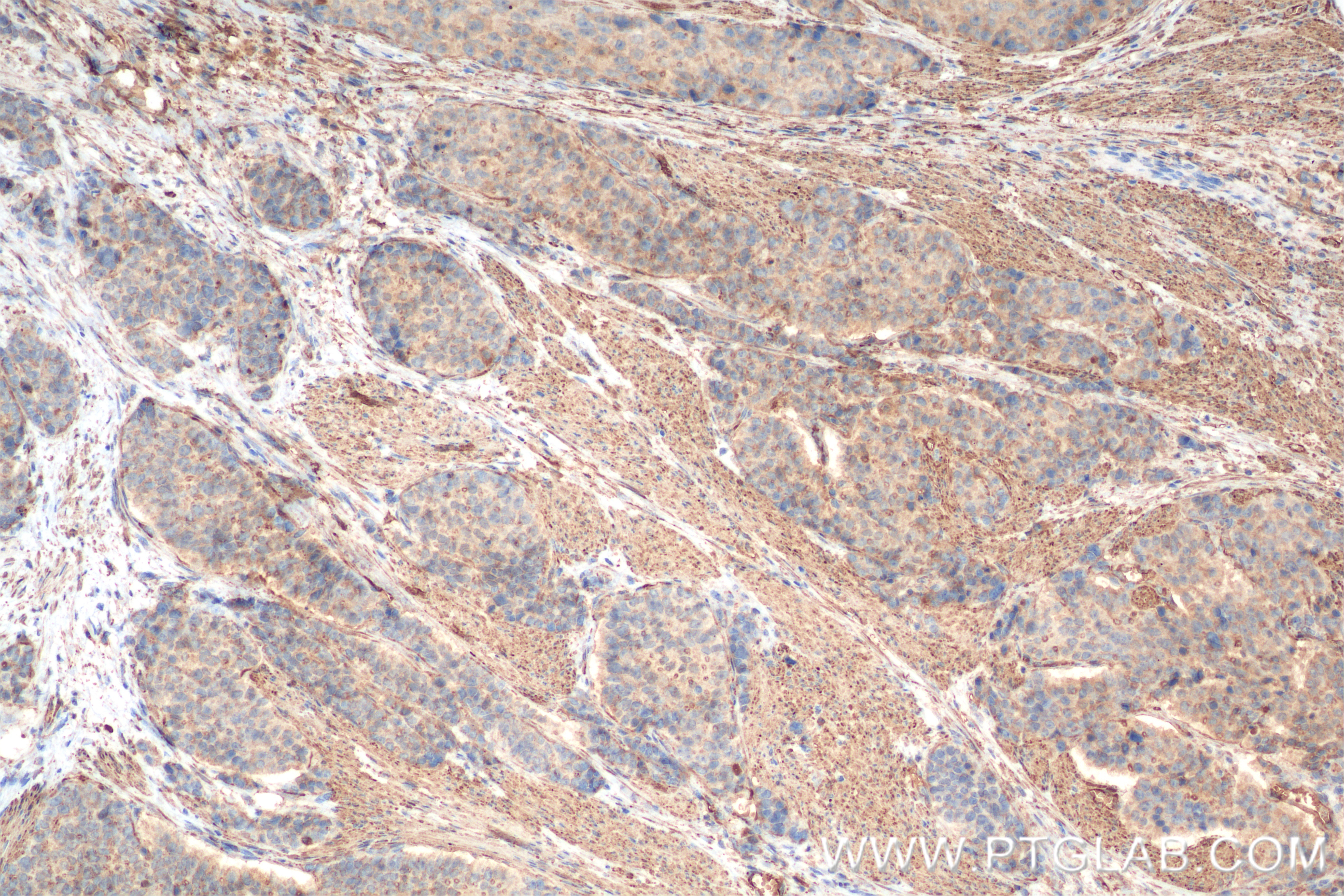
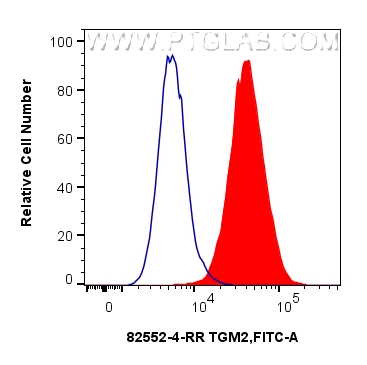
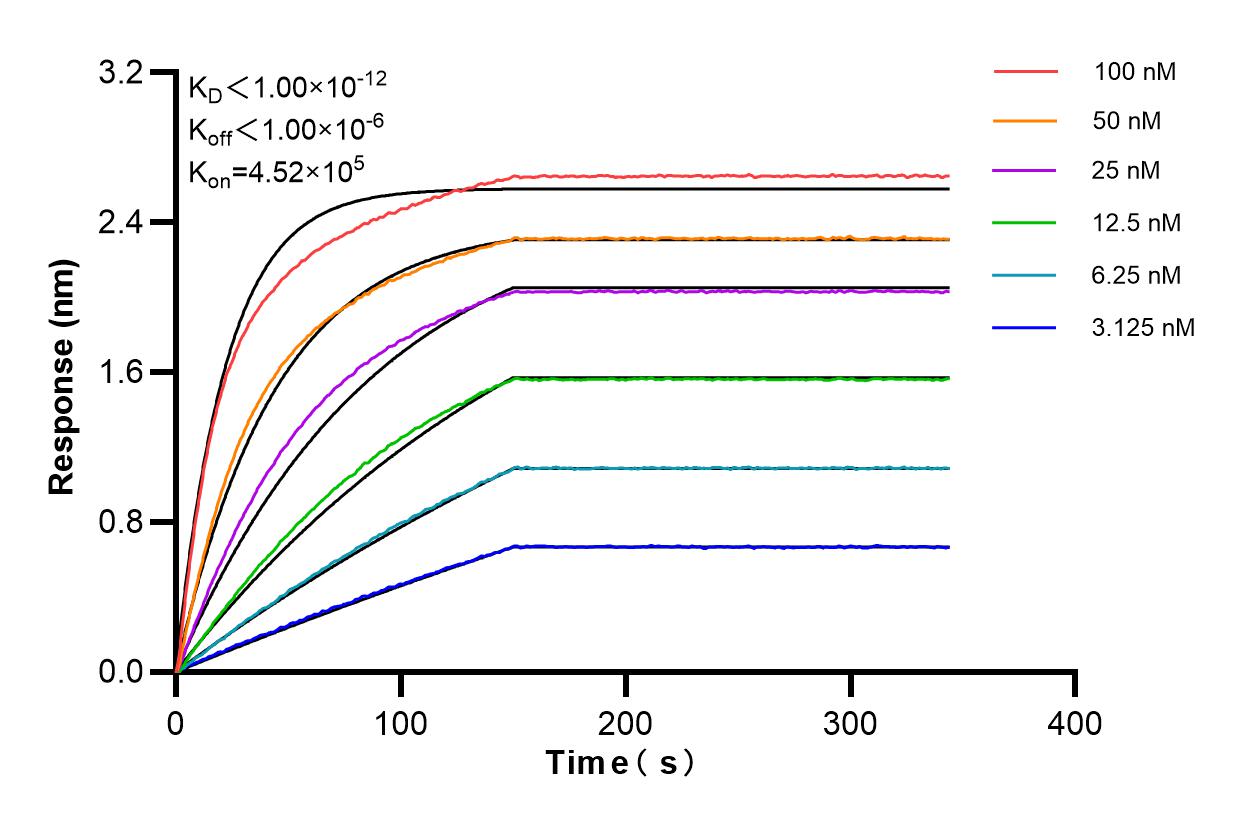
产品信息
82552-4-PBS targets TGM2 in WB, IHC, FC (Intra), Indirect ELISA applications and shows reactivity with human samples.
| 经测试应用 | WB, IHC, FC (Intra), Indirect ELISA Application Description |
| 经测试反应性 | human |
| 免疫原 |
CatNo: Ag7439 Product name: Recombinant human TGM2 protein Source: e coli.-derived, PGEX-4T Tag: GST Domain: 1-349 aa of BC003551 Sequence: MAEELVLERCDLELETNGRDHHTADLCREKLVVRRGQPFWLTLHFEGRNYEASVDSLTFSVVTGPAPSQEAGTKARFPLRDAVEEGDWTATVVDQQDCTLSLQLTTPANAPIGLYRLSLEASTGYQGSSFVLGHFILLFNAWCPADAVYLDSEEERQEYVLTQQGFIYQGSAKFIKNIPWNFGQFEDGILDICLILLDVNPKFLKNAGRDCSRRSSPVYVGRVVSGMVNCNDDQGVLLGRWDNNYGDGVSPMSWIGSVDILRRWKNHGCQRVKYGQCWVFAAVACTVLRCLGIPTRVVTNYNSAHDQNSNLLIEYFRNEFGEIQGDKSEMIWNFHCWVESWMTRPDLQP 种属同源性预测 |
| 宿主/亚型 | Rabbit / IgG |
| 抗体类别 | Recombinant |
| 产品类型 | Antibody |
| 全称 | transglutaminase 2 (C polypeptide, protein-glutamine-gamma-glutamyltransferase) |
| 别名 | 242828D3, Erythrocyte transglutaminase, TG(C), TG2, TGase 2 |
| 计算分子量 | 77 kDa |
| 观测分子量 | 77-80 kDa |
| GenBank蛋白编号 | BC003551 |
| 基因名称 | TGM2 |
| Gene ID (NCBI) | 7052 |
| ENSEMBL Gene ID | ENSG00000198959 |
| RRID | AB_3743410 |
| 偶联类型 | Unconjugated |
| 形式 | Liquid |
| 纯化方式 | Protein A purification |
| UNIPROT ID | P21980 |
| 储存缓冲液 | PBS only, pH 7.3. |
| 储存条件 | Store at -80°C. The product is shipped with ice packs. Upon receipt, store it immediately at -80°C |
背景介绍
Transglutaminase 2 (TGM2) is a ubiquitous and multifunctional calcium-dependent enzyme belonging to the transglutaminase family. It is best known for its canonical activity of catalyzing the cross-linking of proteins by forming stable ε-(γ-glutamyl)lysine isopeptide bonds, which contributes to extracellular matrix stabilization and wound healing. Beyond this, TGM2 exhibits GTPase activity, allowing it to function as a signaling G-protein in intracellular processes. It is implicated in a wide range of physiological functions, including cell adhesion, proliferation, and apoptosis, as well as pathological conditions such as celiac disease, fibrosis, neurodegenerative disorders, and cancer metastasis, where its dysregulated expression often contributes to disease progression.