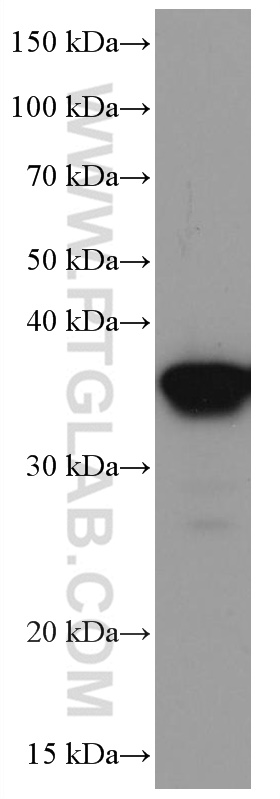
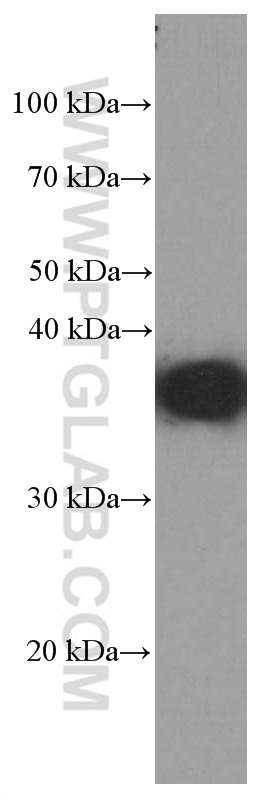
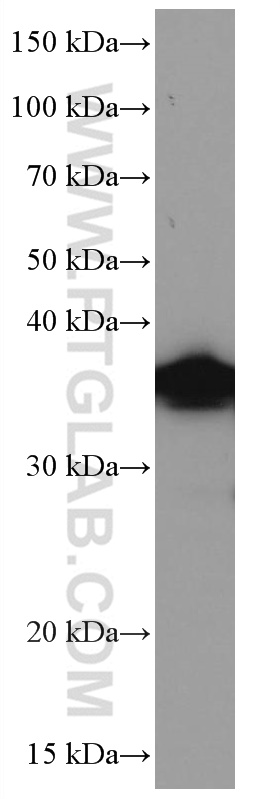
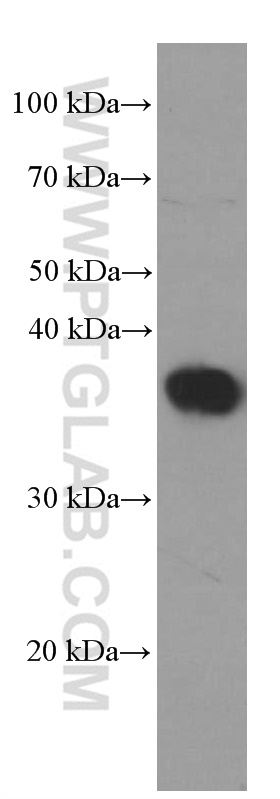
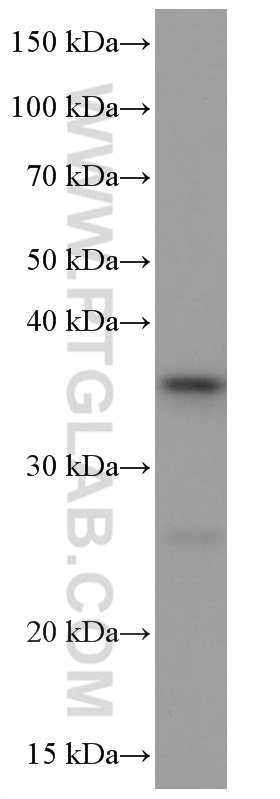
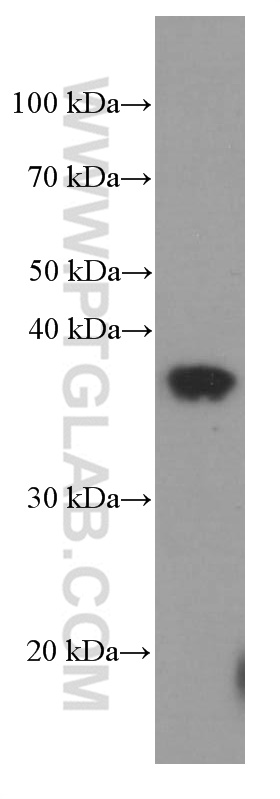
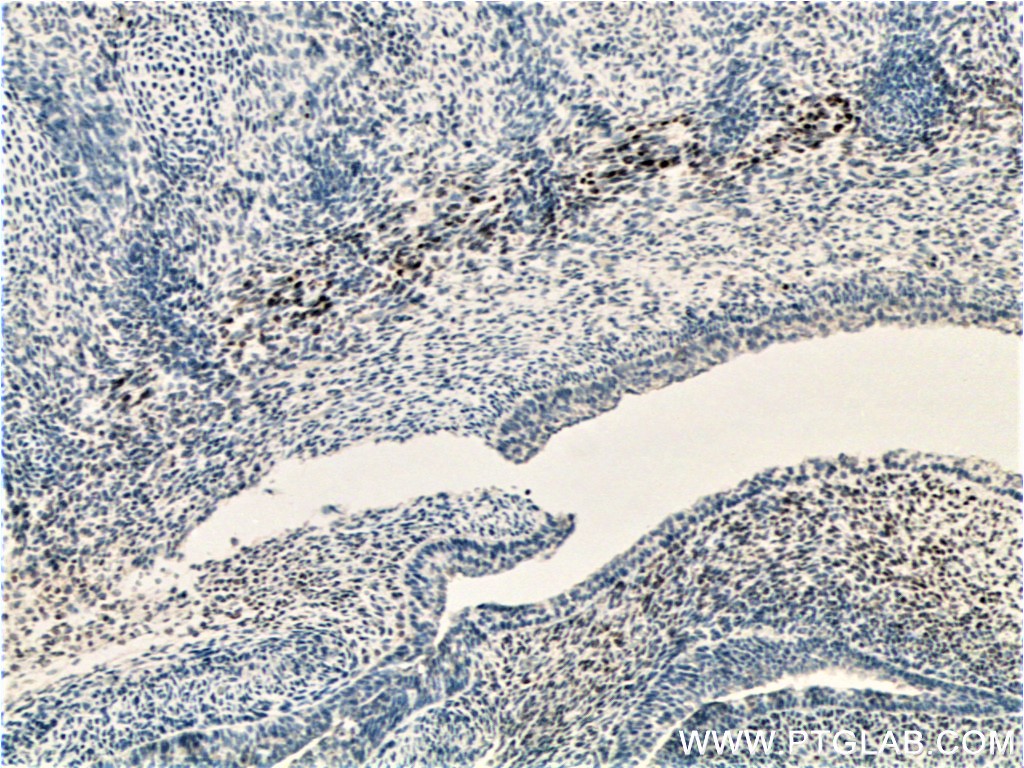
验证数据展示
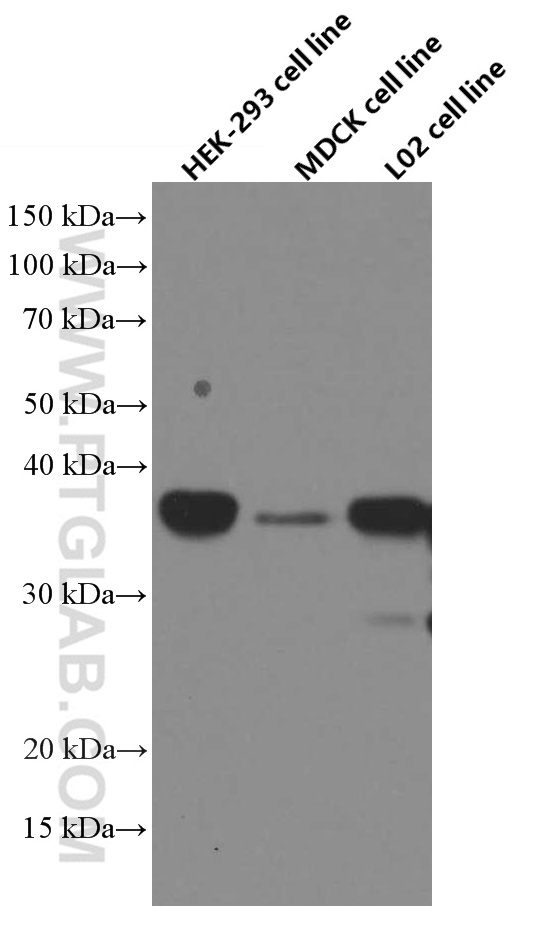
经过测试的应用
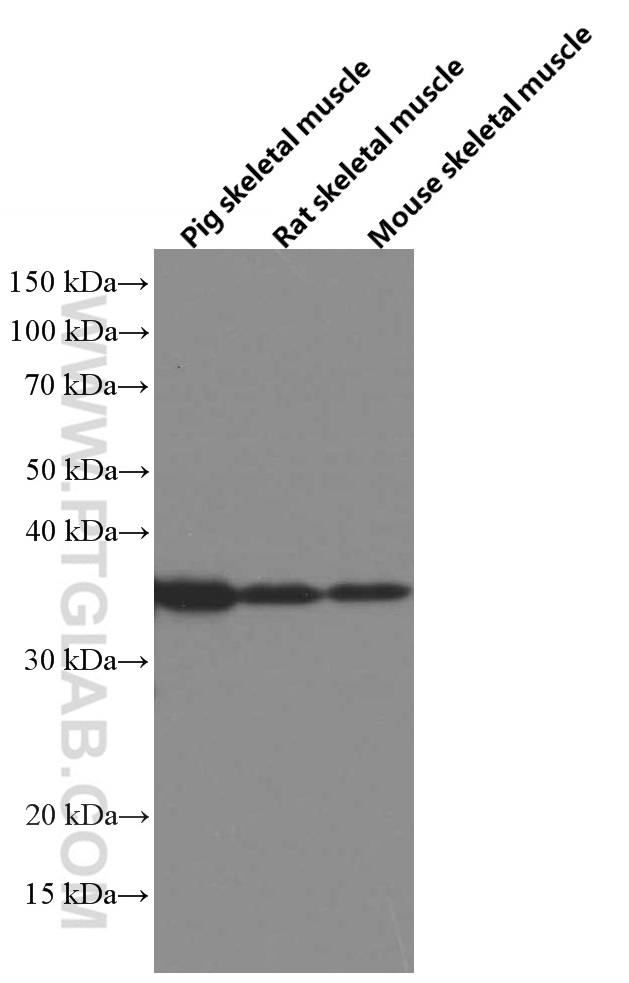
| Positive WB detected in | pig skeletal muscle tissue, HEK-293 cells, MDCK cells, rat skeletal muscle tissue, NCCIT cells, L02 cells, mouse skeletal muscle tissue |
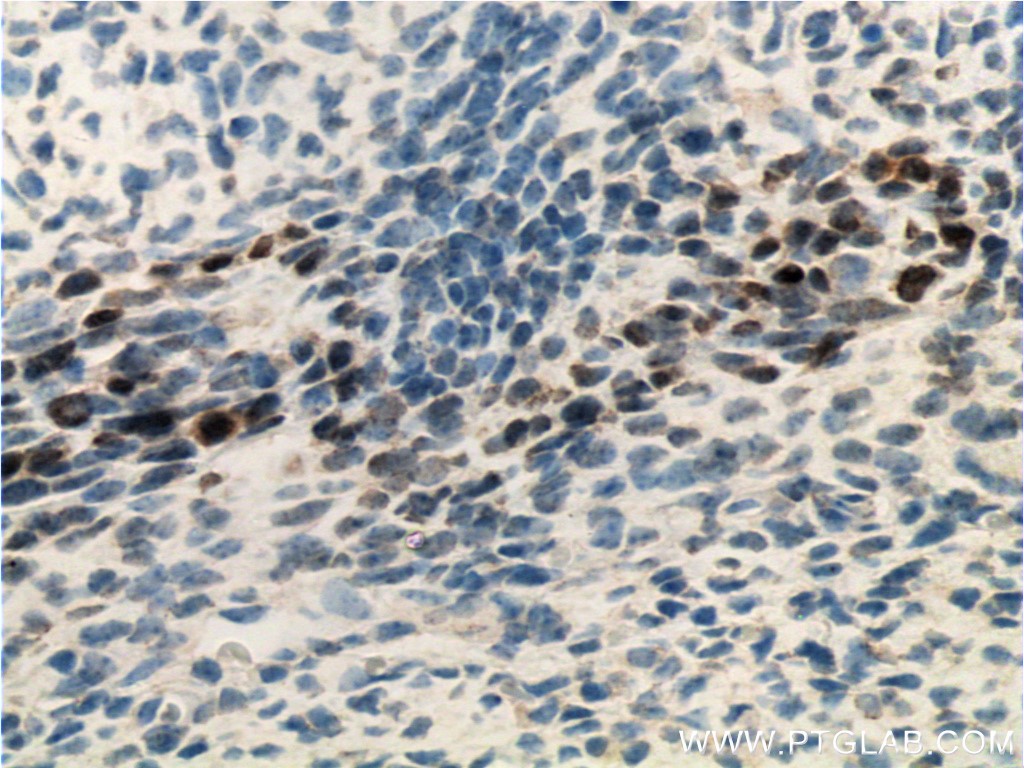
| Positive IHC detected in | mouse embryo tissue Note: suggested antigen retrieval with TE buffer pH 9.0; (*) Alternatively, antigen retrieval may be performed with citrate buffer pH 6.0 |
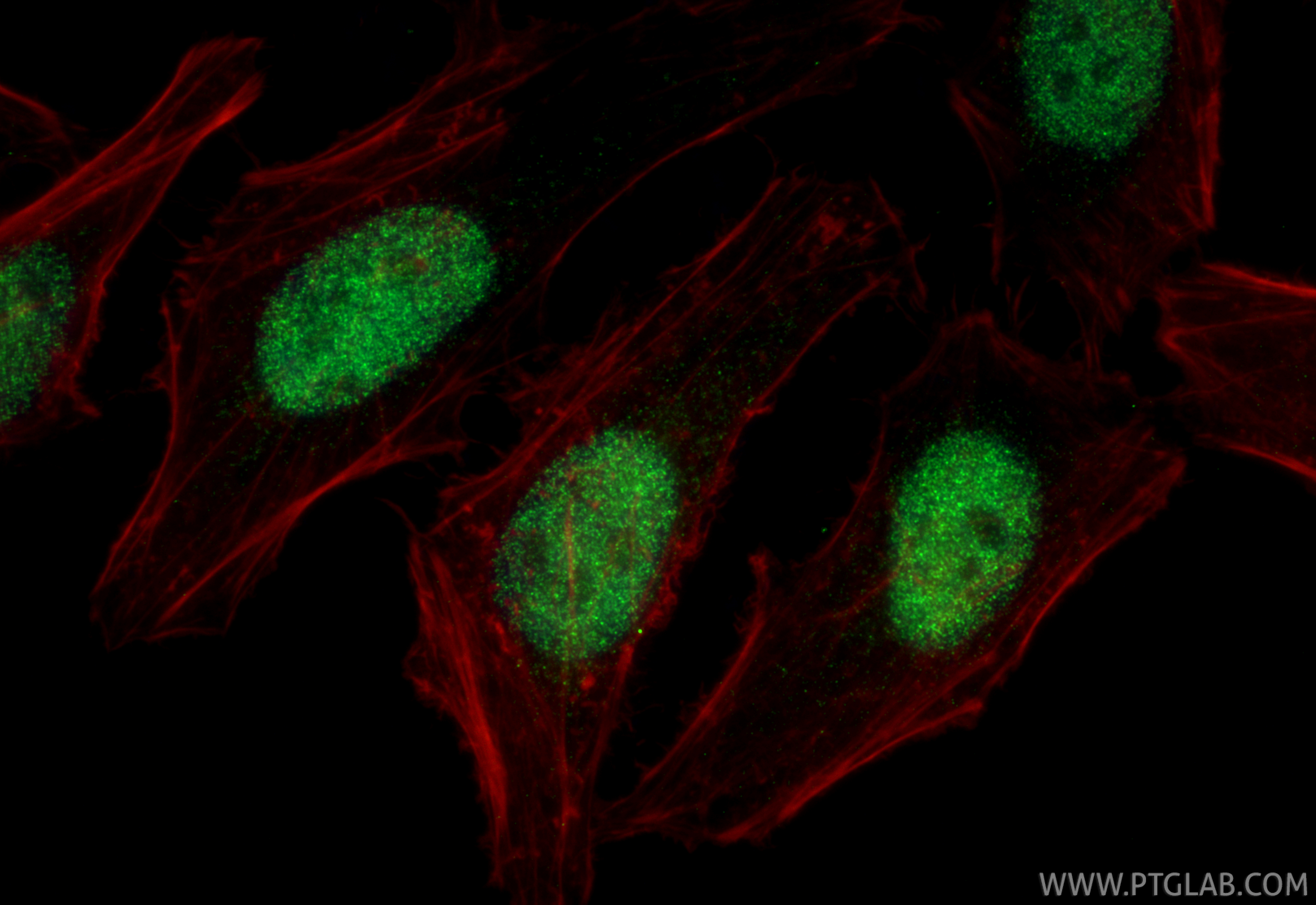
| Positive IF/ICC detected in | HeLa cells |
推荐稀释比
| 应用 | 推荐稀释比 |
|---|---|
| Western Blot (WB) | WB : 1:1000-1:6000 |
| Immunohistochemistry (IHC) | IHC : 1:50-1:500 |
| Immunofluorescence (IF)/ICC | IF/ICC : 1:200-1:800 |
| It is recommended that this reagent should be titrated in each testing system to obtain optimal results. | |
| Sample-dependent, Check data in validation data gallery. | |
产品信息
66347-1-Ig targets SIX2 in WB, IHC, IF/ICC, ELISA applications and shows reactivity with human, mouse, rat, pig, canine samples.
| 经测试应用 | WB, IHC, IF/ICC, ELISA Application Description |
| 文献引用应用 | WB, IHC, IF |
| 经测试反应性 | human, mouse, rat, pig, canine |
| 文献引用反应性 | human, mouse |
| 免疫原 |
CatNo: Ag2124 Product name: Recombinant human SIX2 protein Source: e coli.-derived, PGEX-4T Tag: GST Domain: 1-291 aa of BC024033 Sequence: MSMLPTFGFTQEQVACVCEVLQQGGNIERLGRFLWSLPACEHLHKNESVLKAKAVVAFHRGNFRELYKILESHQFSPHNHAKLQQLWLKAHYIEAEKLRGRPLGAVGKYRVRRKFPLPRSIWDGEETSYCFKEKSRSVLREWYAHNPYPSPREKRELTEATGLTTTQVSNWFKNRRQRDRAAEAKERENNENSNSNSHNPLNGSGKSVLGSSEDEKTPSGTPDHSSSSPALLLSPPPPGLPSLHSLGHPPGPSAVPVPVPGGGGADPLQHHHGLQDSILNPMSANLVDLGS 种属同源性预测 |
| 宿主/亚型 | Mouse / IgG2b |
| 抗体类别 | Monoclonal |
| 产品类型 | Antibody |
| 全称 | SIX homeobox 2 |
| 别名 | Homeobox protein SIX2, Sine oculis homeobox homolog 2, SIX homeobox 2 |
| 计算分子量 | 291 aa, 32 kDa |
| 观测分子量 | 37 kDa |
| GenBank蛋白编号 | BC024033 |
| 基因名称 | SIX2 |
| Gene ID (NCBI) | 10736 |
| RRID | AB_2881727 |
| 偶联类型 | Unconjugated |
| 形式 | Liquid |
| 纯化方式 | Protein A purification |
| UNIPROT ID | Q9NPC8 |
| 储存缓冲液 | PBS with 0.02% sodium azide and 50% glycerol, pH 7.3. |
| 储存条件 | Store at -20°C. Stable for one year after shipment. Aliquoting is unnecessary for -20oC storage. |
背景介绍
The SIX proteins (sine oculis) are a family of homeodomain transcription factors that share a conserved DNA binding domain. Six members (Six1-Six6) of the Six gene family have been identified in mice and humans. SIX2, containing one homeobox DNA-binding domain, is highly expressed in fetal tissues but expression is limited in adult tissues. SIX2 may be involved in limb tendon and ligament development[PMID:21420949]. It has been previously shown that SIX2 is expressed in developing mesenchymal tissue including head and urogenital system at the time of overt midfacial and renal differentiation[PMID: 22282599].
实验方案
| Product Specific Protocols | |
|---|---|
| IF protocol for SIX2 antibody 66347-1-Ig | Download protocol |
| IHC protocol for SIX2 antibody 66347-1-Ig | Download protocol |
| WB protocol for SIX2 antibody 66347-1-Ig | Download protocol |
| Standard Protocols | |
|---|---|
| Click here to view our Standard Protocols |
发表文章
| Species | Application | Title |
|---|---|---|
Nat Genet Single-cell spatial mapping of human kidney development implicates the microenvironment in guiding cell fate decisions. | ||
Nucleic Acids Res The transcriptional coactivator Eya1 exerts transcriptional repressive activity by interacting with REST corepressors and REST-binding sequences to maintain nephron progenitor identity | ||
J Am Soc Nephrol Chromatin Remodelers Interact with Eya1 and Six2 to Target Enhancers to Control Nephron Progenitor Cell Maintenance | ||
Biochem Pharmacol IRF8 and RUNX1 cooperatively regulate the senescence and damage of urine-derived renal progenitor cells by upregulating LINC01806 | ||
Front Bioeng Biotechnol OSR1 and SIX2 drive divergent transcriptional programs in human kidney cells: implications for regeneration and tumorigenesis. | ||
Development Aberrant centrosome biogenesis disrupts nephron and collecting duct progenitor growth and fate resulting in fibrocystic kidney disease |