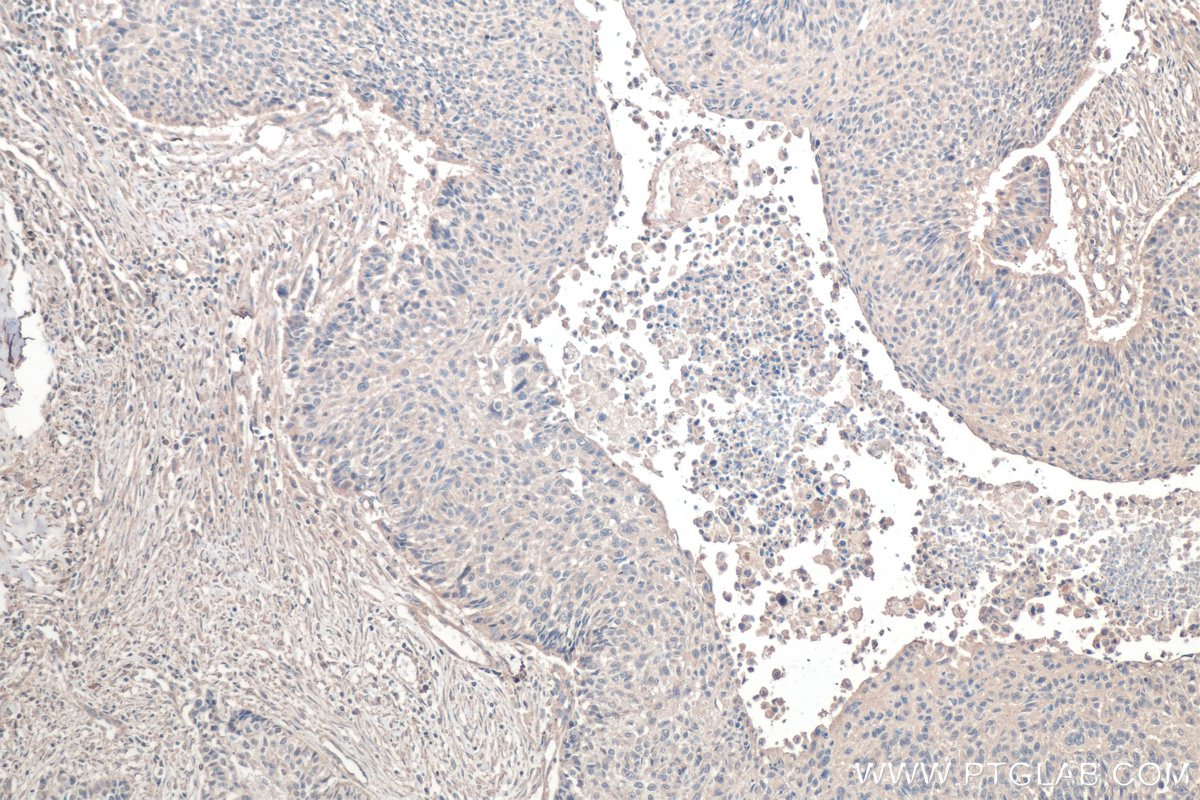
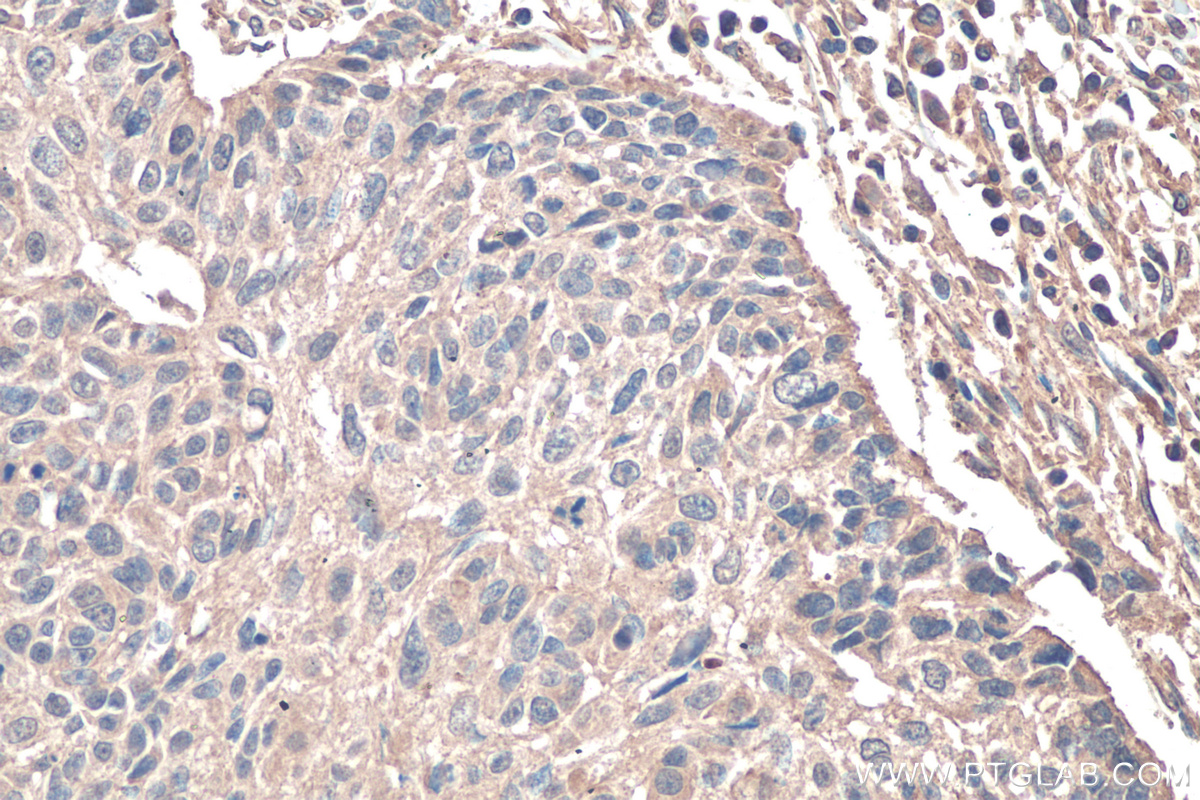
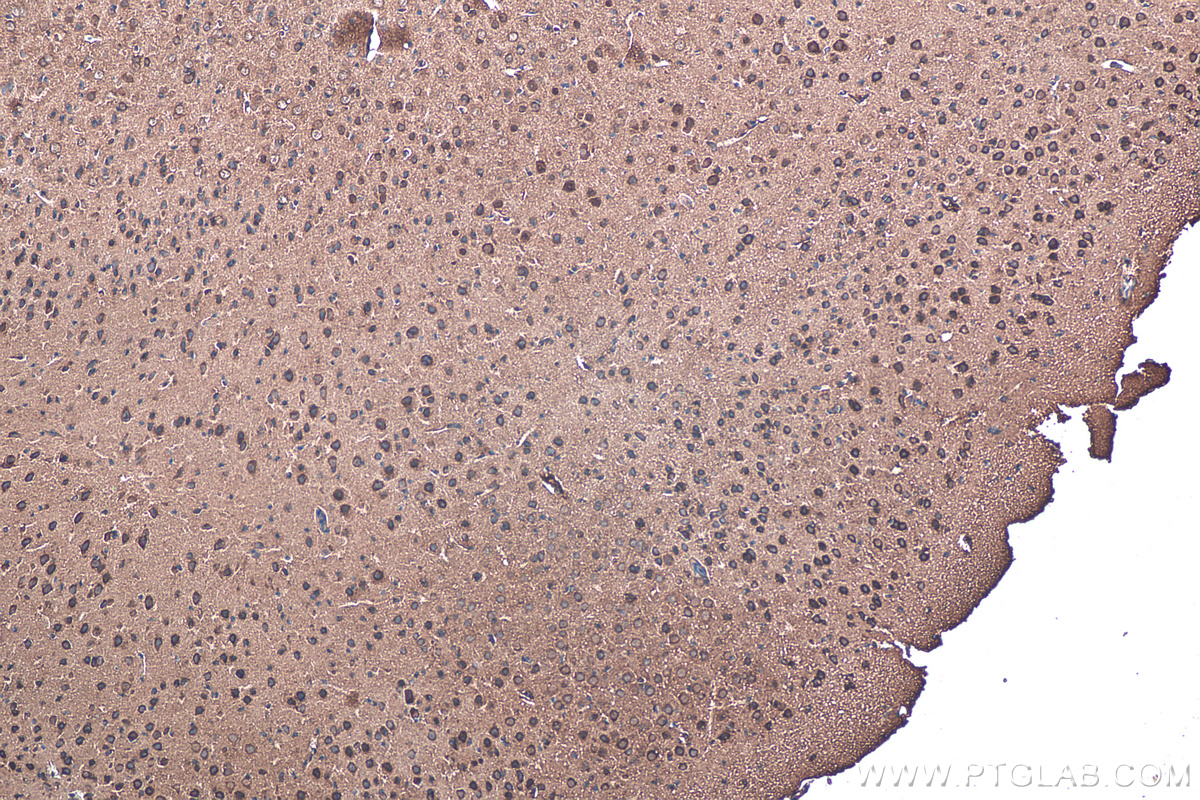
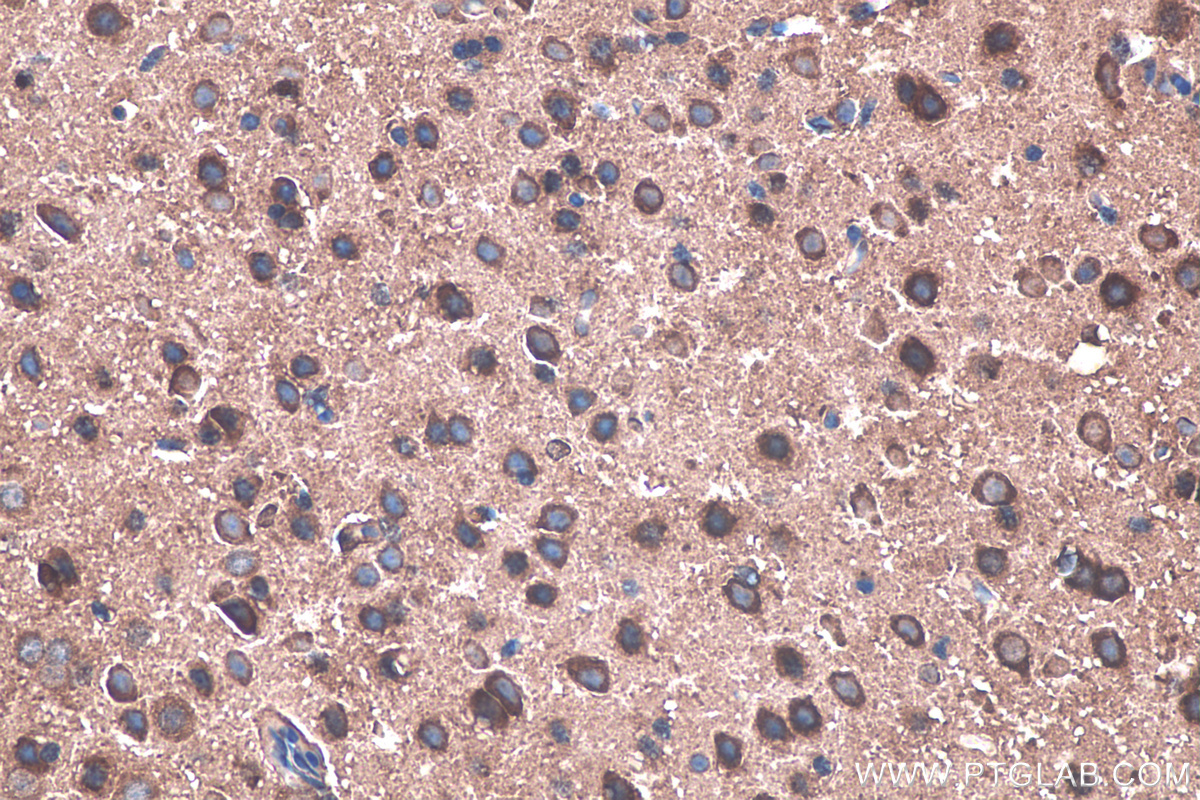
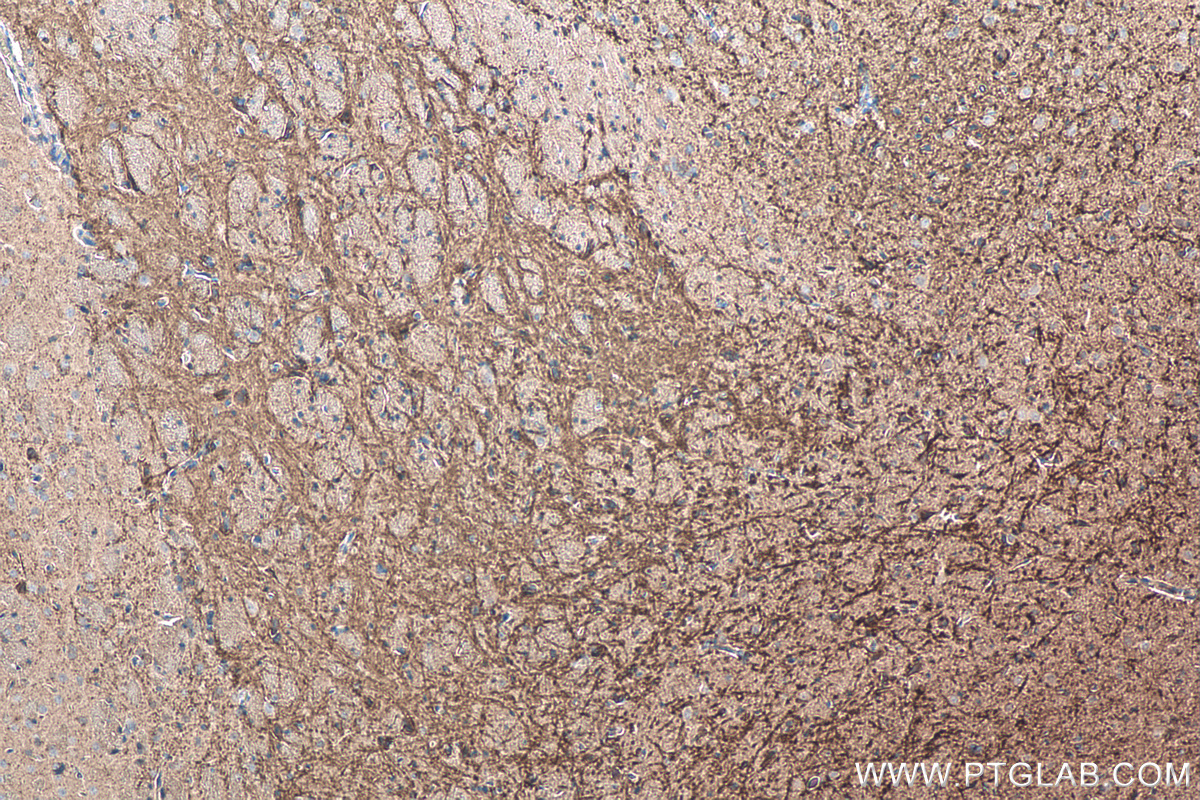
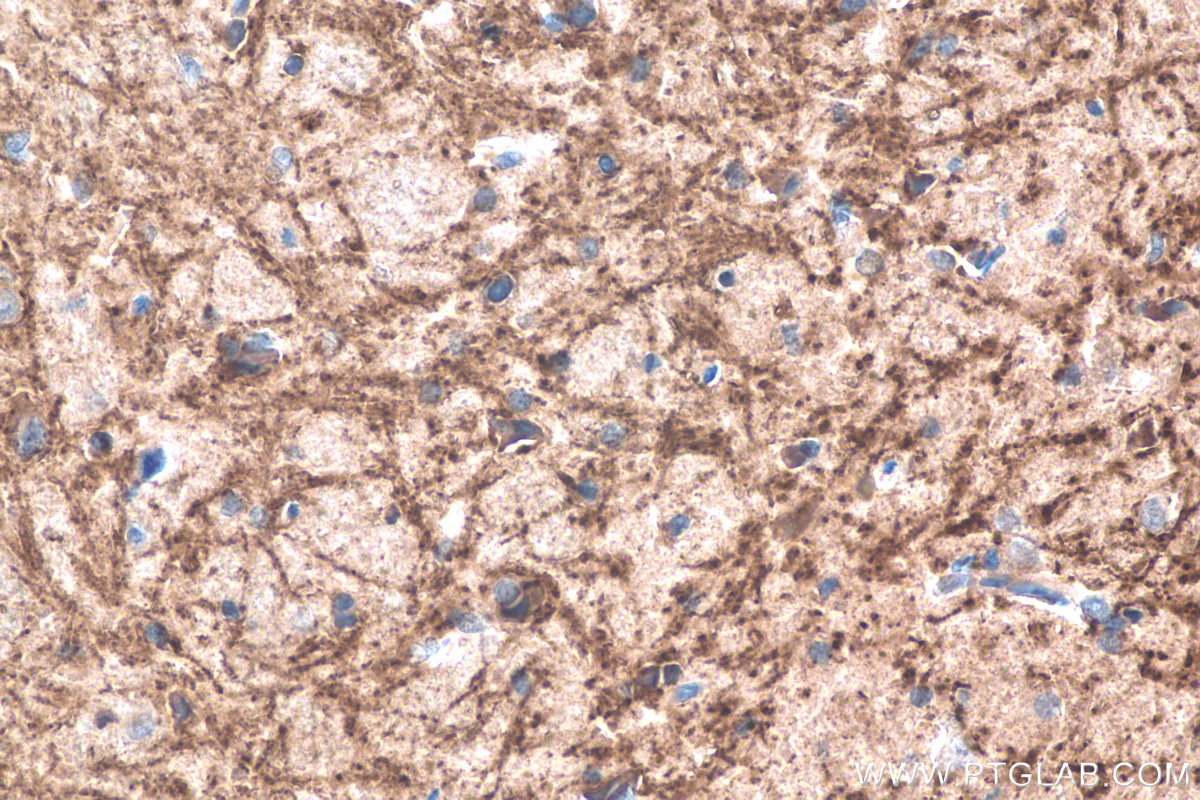
验证数据展示
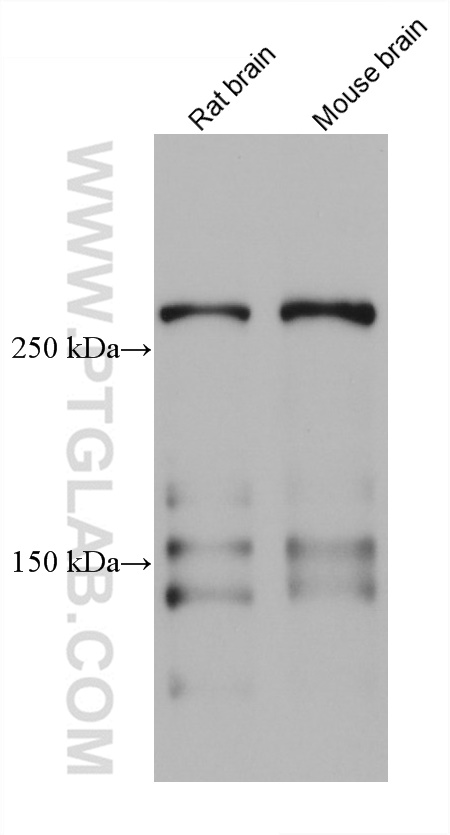
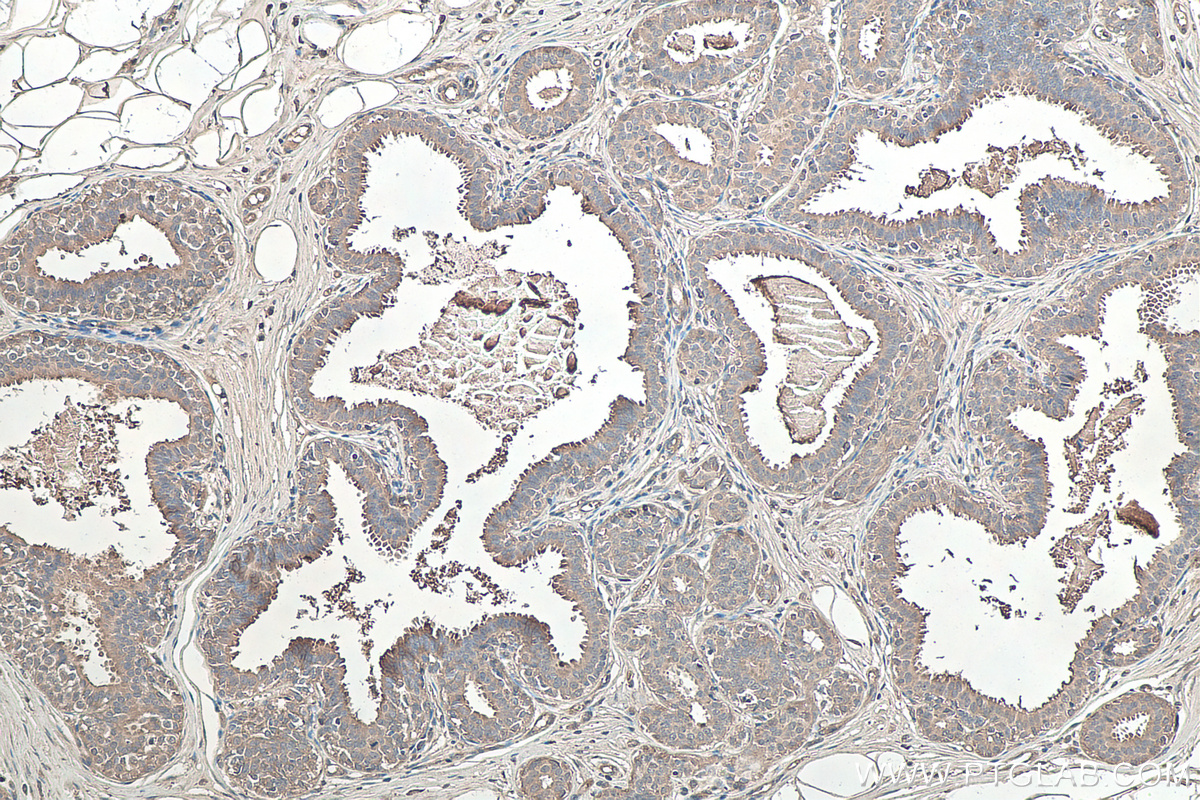
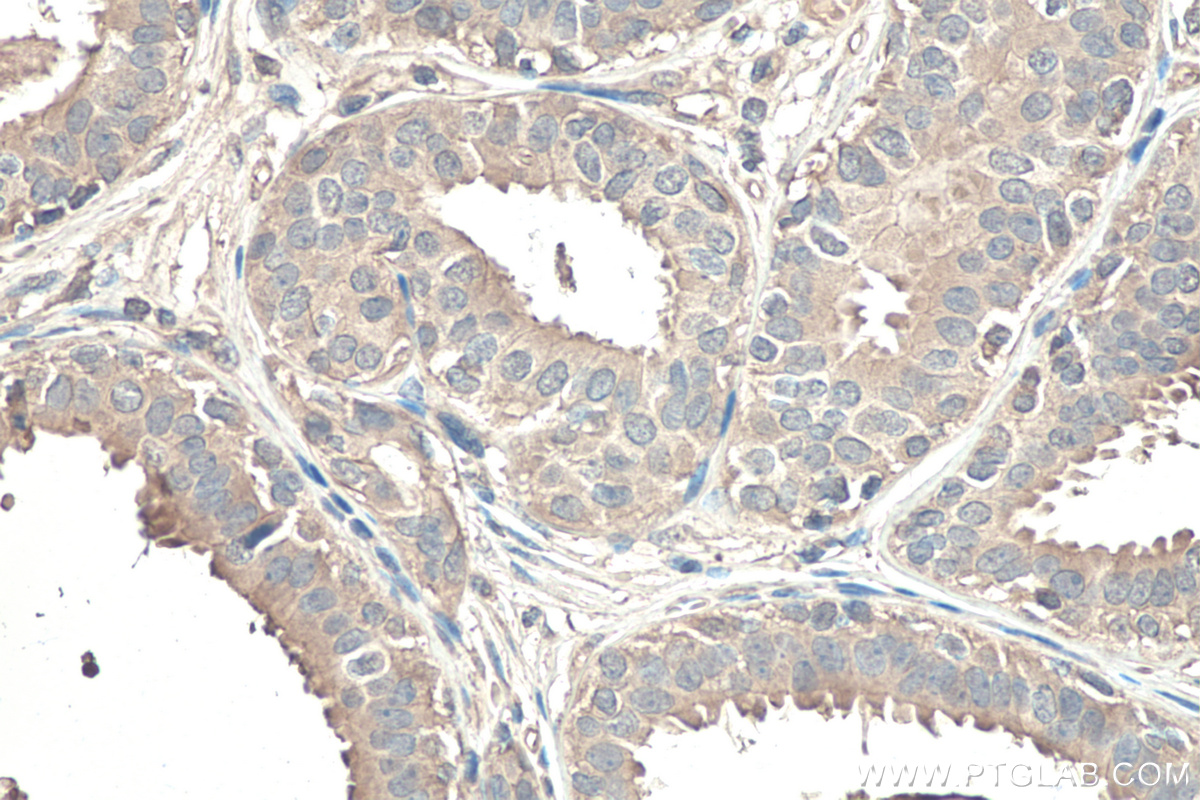

经过测试的应用
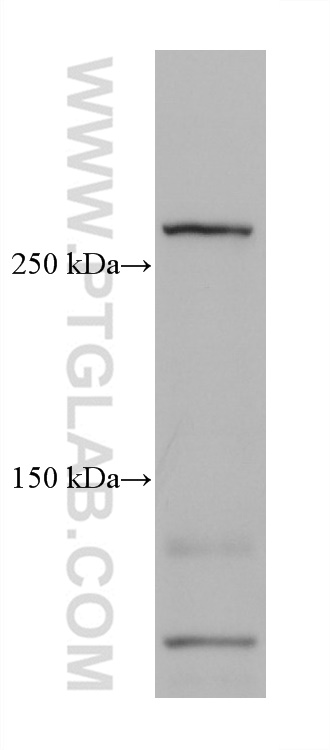
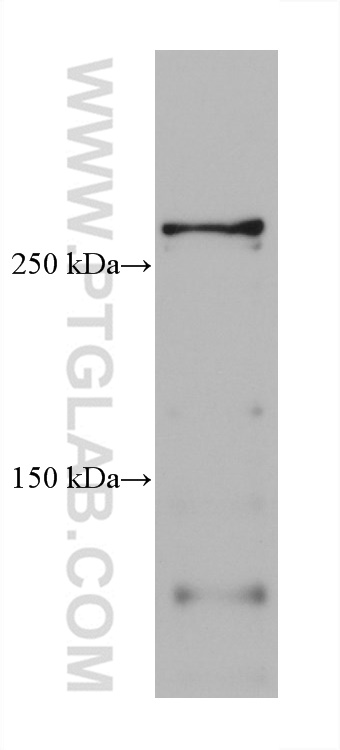
| Positive WB detected in | rat brain tissue, HEK-293 cells, rat cerebellum tissue, mouse brain tissue |
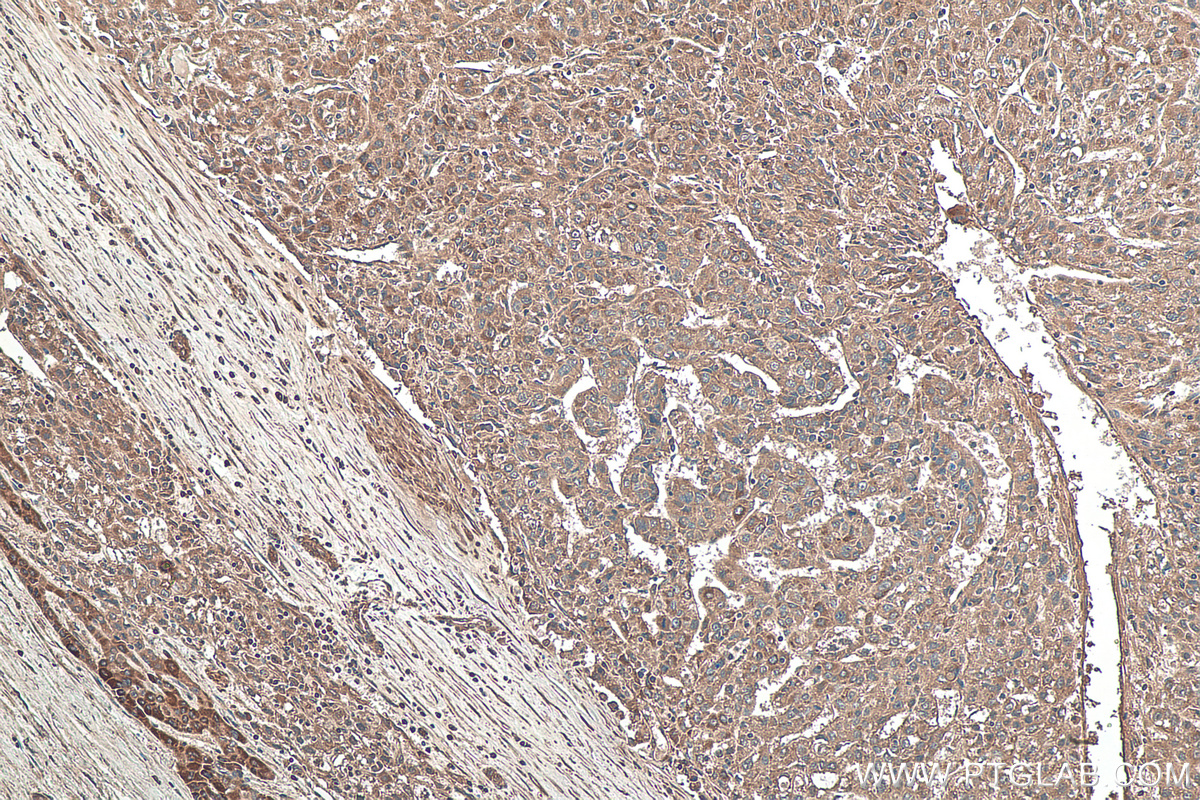
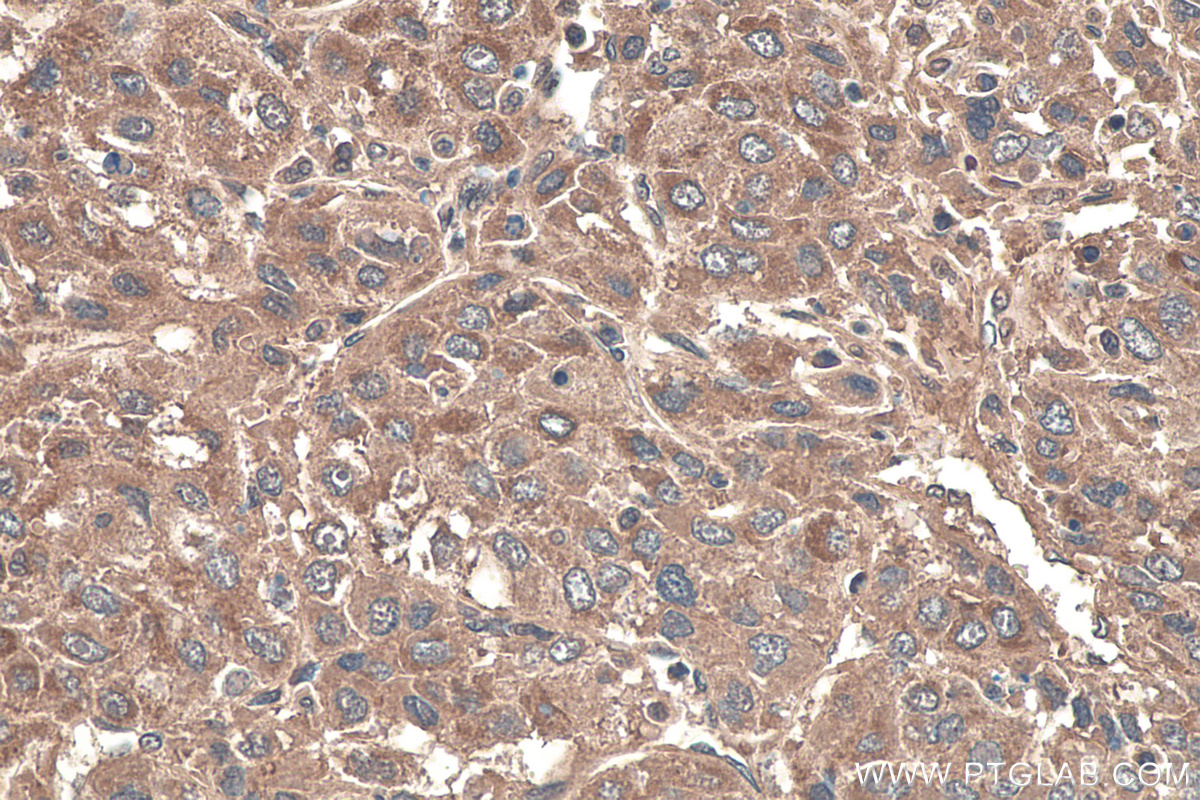
| Positive IHC detected in | human breast cancer tissue, human liver cancer tissue, human lung cancer tissue, mouse brain tissue, rat brain tissue Note: suggested antigen retrieval with TE buffer pH 9.0; (*) Alternatively, antigen retrieval may be performed with citrate buffer pH 6.0 |
推荐稀释比
| 应用 | 推荐稀释比 |
|---|---|
| Western Blot (WB) | WB : 1:2000-1:10000 |
| Immunohistochemistry (IHC) | IHC : 1:500-1:2000 |
| It is recommended that this reagent should be titrated in each testing system to obtain optimal results. | |
| Sample-dependent, Check data in validation data gallery. | |
产品信息
67710-1-Ig targets TNC/Tenascin-C in WB, IHC, IF, ELISA applications and shows reactivity with human, mouse, rat samples.
| 经测试应用 | WB, IHC, ELISA Application Description |
| 文献引用应用 | WB, IHC, IF |
| 经测试反应性 | human, mouse, rat |
| 文献引用反应性 | human, mouse, rat |
| 免疫原 |
CatNo: Ag21412 Product name: Recombinant human TNC protein Source: e coli.-derived, PET28a Tag: 6*His Domain: 1852-2201 aa of BC151843 Sequence: YALTDLEPATEYTLRIFAEKGPQKSSTITAKFTTDLDSPRDLTATEVQSETALLTWRPPRASVTGYLLVYESVDGTVKEVIVGPDTTSYSLADLSPSTHYTAKIQALNGPLRSNMIQTIFTTIGLLYPFPKDCSQAMLNGDTTSGLYTIYLNGDKAEALEVFCDMTSDGGGWIVFLRRKNGRENFYQNWKAYAAGFGDRREEFWLGLDNLNKITAQGQYELRVDLRDHGETAFAVYDKFSVGDAKTRYKLKVEGYSGTAGDSMAYHNGRSFSTFDKDTDSAITNCALSYKGAFWYRNCHRVNLMGRYGDNNHSQGVNWFHWKGHEHSIQFAEMKLRPSNFRNLEGRRKRA 种属同源性预测 |
| 宿主/亚型 | Mouse / IgG1 |
| 抗体类别 | Monoclonal |
| 产品类型 | Antibody |
| 全称 | tenascin C |
| 别名 | Tenascin, TNC, 1F7G8, Glioma-associated-extracellular matrix antigen, GMEM |
| 计算分子量 | 2201 aa, 241 kDa |
| 观测分子量 | 260 kDa |
| GenBank蛋白编号 | BC151843 |
| 基因名称 | Tenascin C |
| Gene ID (NCBI) | 3371 |
| RRID | AB_2882900 |
| 偶联类型 | Unconjugated |
| 形式 | Liquid |
| 纯化方式 | Protein G purification |
| UNIPROT ID | P24821 |
| 储存缓冲液 | PBS with 0.02% sodium azide and 50% glycerol, pH 7.3. |
| 储存条件 | Store at -20°C. Stable for one year after shipment. Aliquoting is unnecessary for -20oC storage. |
背景介绍
Tenascin-C (TNC) is a large hexameric extracellular matrix glycoprotein of the tenascin family (PMID: 21818551). It is a multimodular protein containing multiple epidermal growth factor (EGF)-like repeats and fibronectin type III (FN III) domains (PMID: 1719530). Tenascin-C is highly expressed during embryonic development, particularly in the developing central nervous system, around motile cells and at epithelial-mesenchymal interaction sites (PMID: 25738825). In adult tissues, the expression and the distribution of TNC are typically limited under normal physiological conditions. It is upregulated during injury, inflammation, regeneration, and cancer (PMID: 7694605; 25120494). Tenascin-C is a diverse protein that can produce different functions including regulating cell adhesion, migration and proliferation.
实验方案
| Product Specific Protocols | |
|---|---|
| IF protocol for TNC/Tenascin-C antibody 67710-1-Ig | Download protocol |
| IHC protocol for TNC/Tenascin-C antibody 67710-1-Ig | Download protocol |
| WB protocol for TNC/Tenascin-C antibody 67710-1-Ig | Download protocol |
| Standard Protocols | |
|---|---|
| Click here to view our Standard Protocols |
发表文章
| Species | Application | Title |
|---|---|---|
Adv Mater Piezoelectric Injectable Anti-Adhesive Hydrogel to Promote Endogenous Healing of Tendon Injuries | ||
Nat Commun Tenascin C(+) myofibroblasts exacerbate vascular neointimal hyperplasia by propagation of nerve-macrophage interactions in mice.
| ||
J Nanobiotechnology 3D-printed hydrogel particles containing PRP laden with TDSCs promote tendon repair in a rat model of tendinopathy | ||
Genes Dis Engrailed-1 inactivation leads to scarless skin wound healing through extracellular matrix remodeling | ||
Cell Rep Med A biomimetic hybrid membrane vesicle nanoplatform attenuates tendinopathy through neuroinflammation modulation and tendon regeneration. | ||
Cell Death Dis CEBPD is a master transcriptional factor for hypoxia regulated proteins in glioblastoma and augments hypoxia induced invasion through extracellular matrix-integrin mediated EGFR/PI3K pathway |