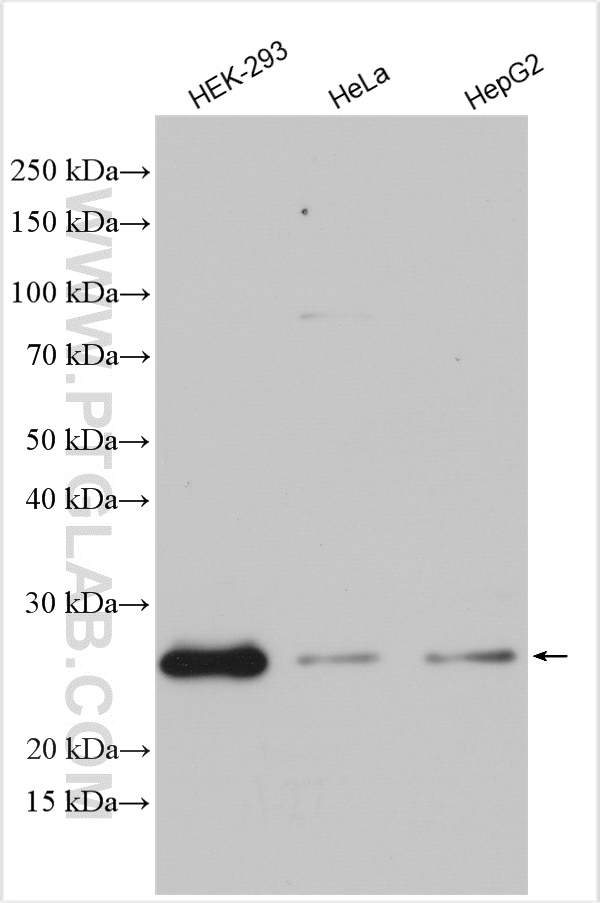
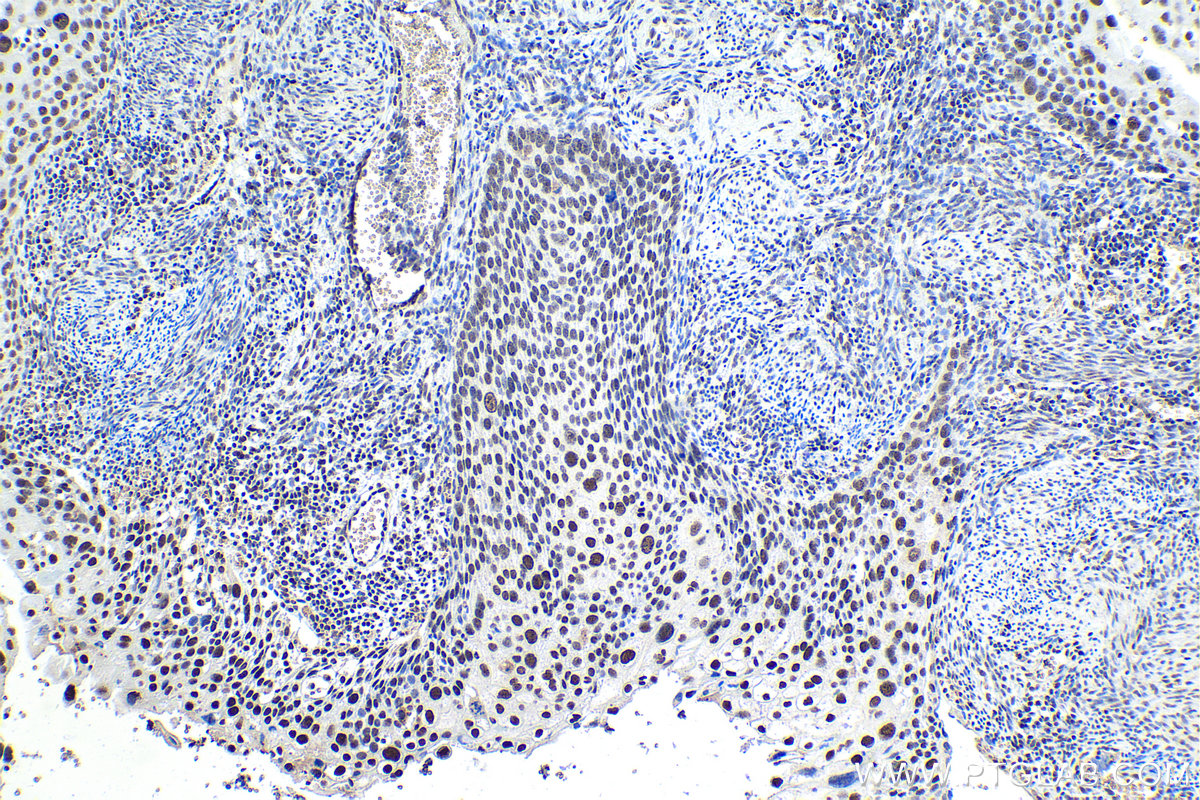
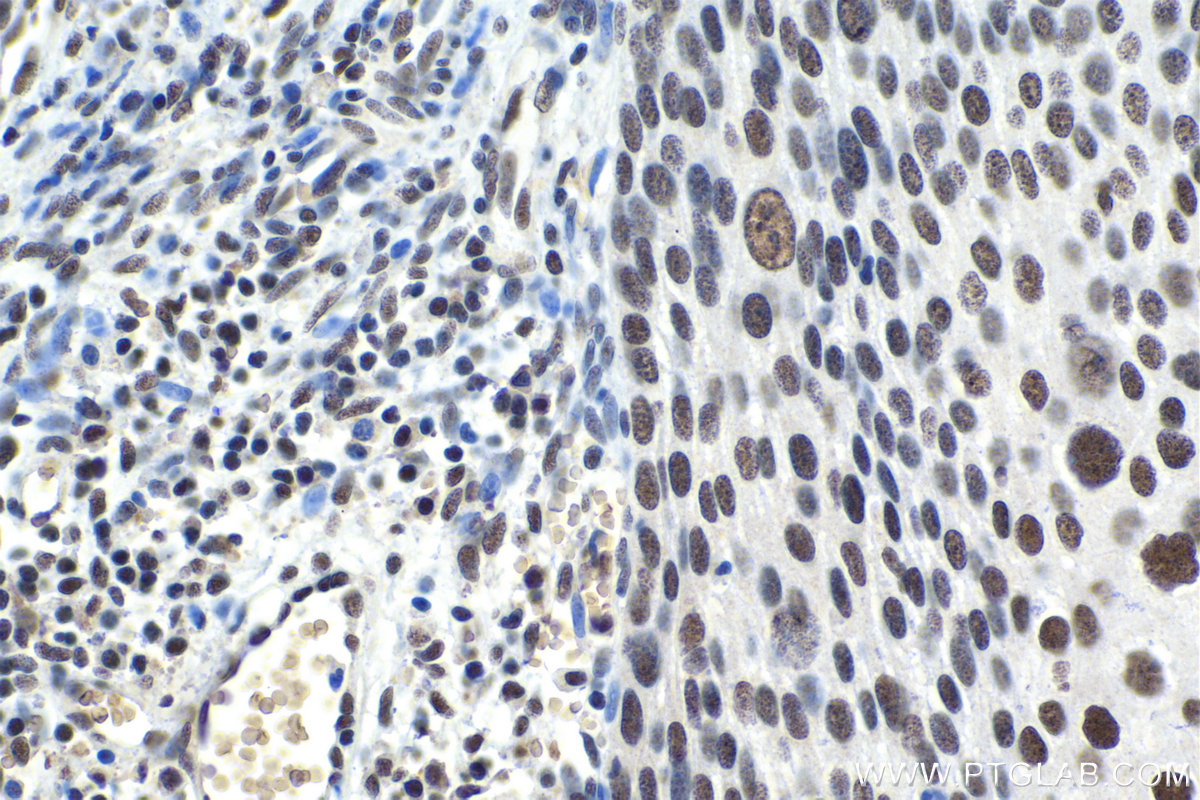
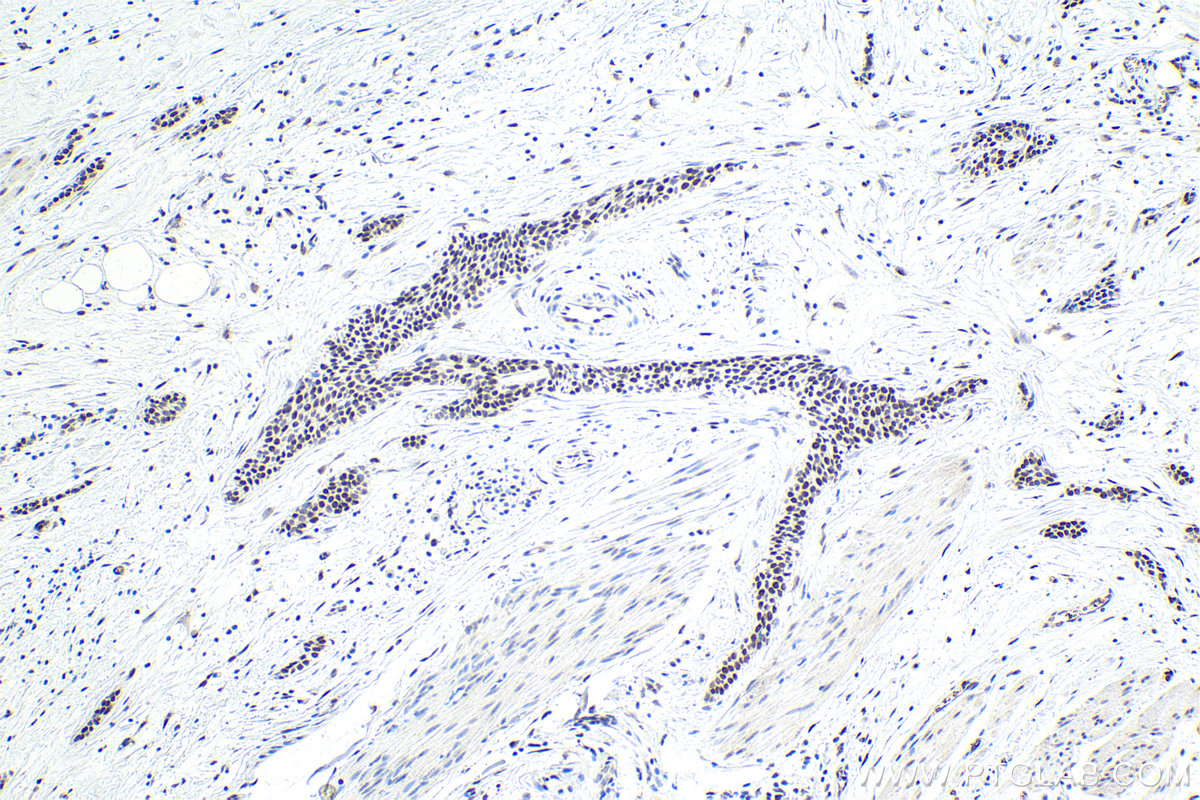
验证数据展示
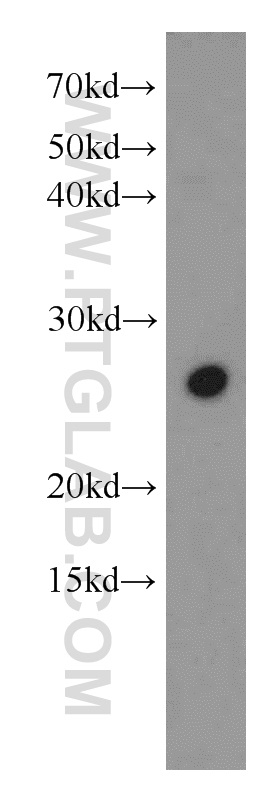
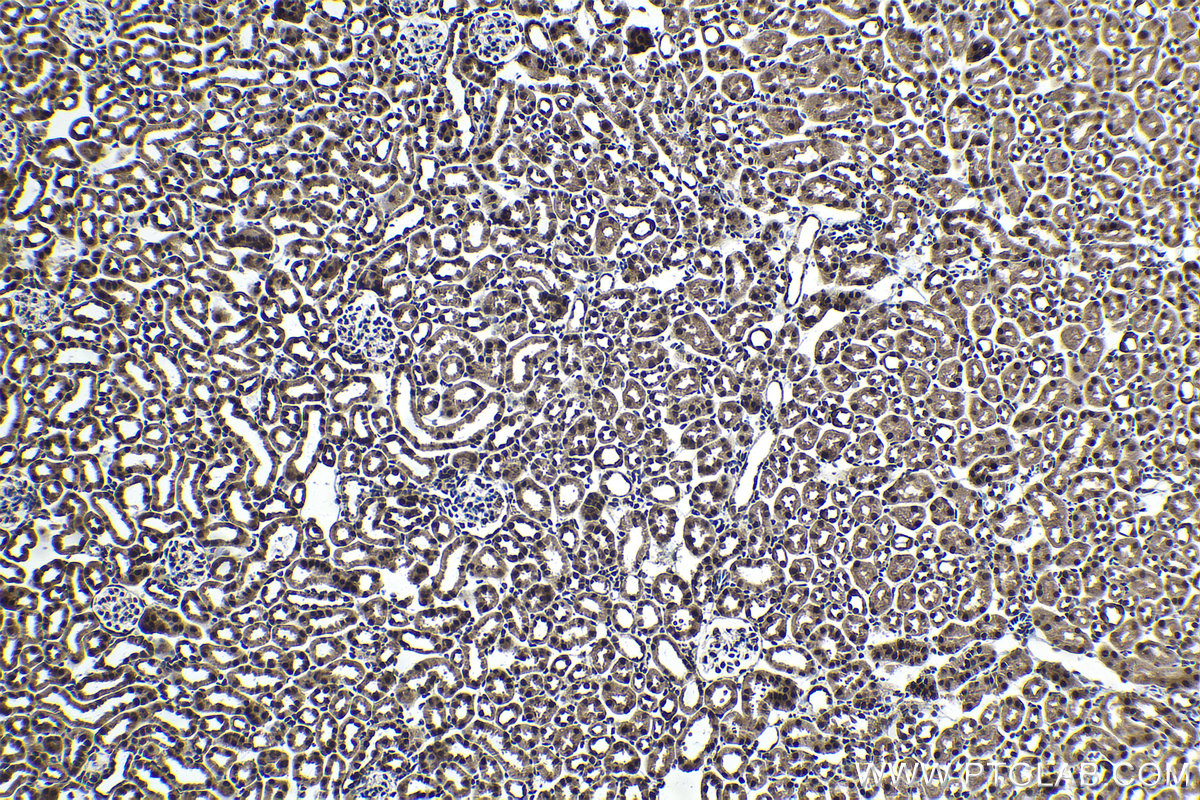
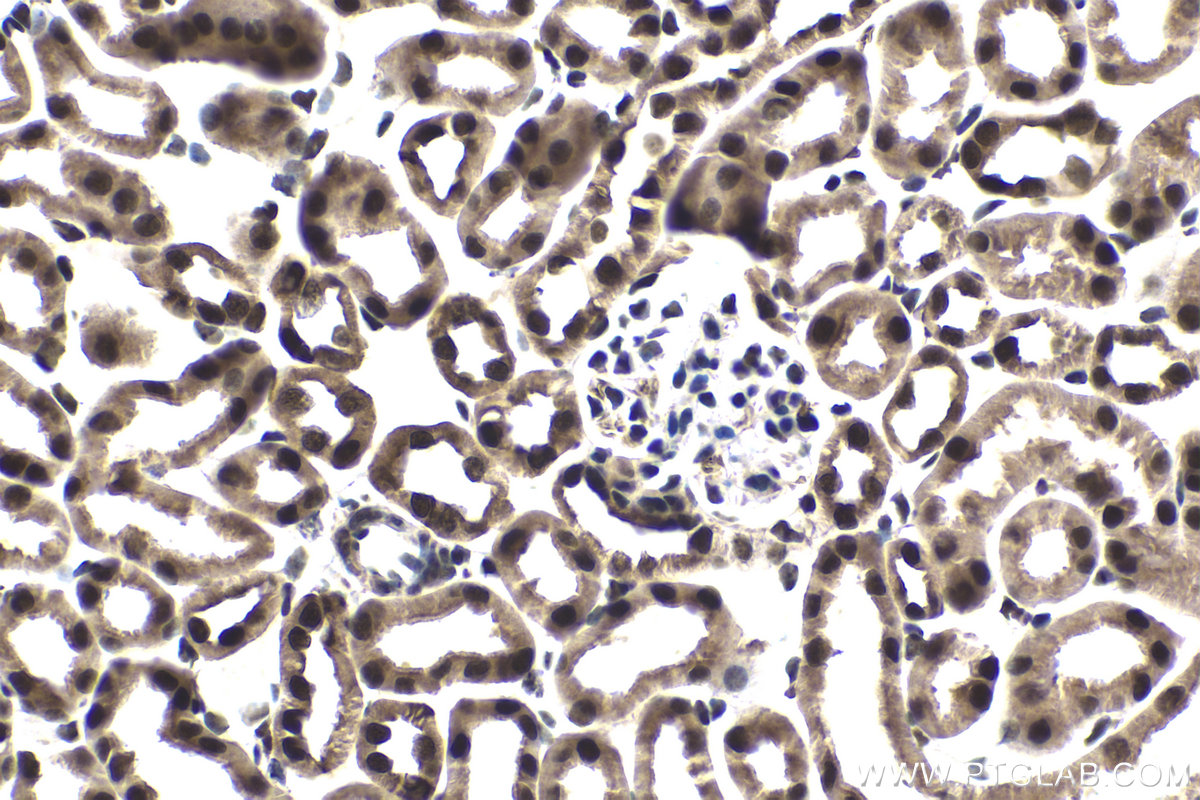
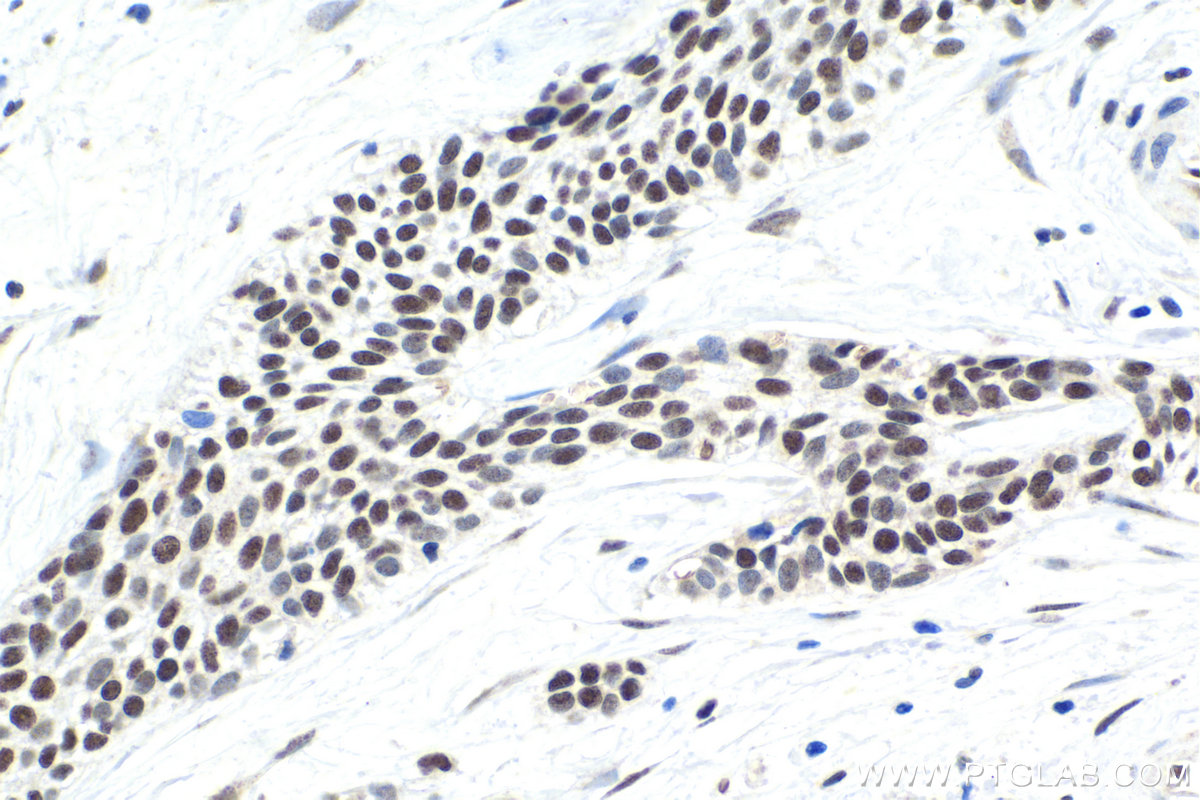
经过测试的应用
| Positive WB detected in | HEK-293 cells, HeLa cells, HepG2 cells |
| Positive IHC detected in | mouse kidney tissue, human cervical cancer tissue, human urothelial carcinoma tissue Note: suggested antigen retrieval with TE buffer pH 9.0; (*) Alternatively, antigen retrieval may be performed with citrate buffer pH 6.0 |
推荐稀释比
| 应用 | 推荐稀释比 |
|---|---|
| Western Blot (WB) | WB : 1:500-1:2000 |
| Immunohistochemistry (IHC) | IHC : 1:500-1:2000 |
| It is recommended that this reagent should be titrated in each testing system to obtain optimal results. | |
| Sample-dependent, Check data in validation data gallery. | |
产品信息
17926-1-AP targets SFRS9 in WB, IHC, IF, ELISA applications and shows reactivity with human, mouse, rat samples.
| 经测试应用 | WB, IHC, ELISA Application Description |
| 文献引用应用 | WB, IHC, IF |
| 经测试反应性 | human, mouse, rat |
| 文献引用反应性 | human |
| 免疫原 |
CatNo: Ag12347 Product name: Recombinant human SFRS9 protein Source: e coli.-derived, PGEX-4T Tag: GST Domain: 1-221 aa of BC093973 Sequence: MSGWADERGGEGDGRIYVGNLPTDVREKDLEDLFYKYGRIREIELKNRHGLVPFAFVRFEDPRDAEDAIYGRNGYDYGQCRLRVEFPRTYGGRGGWPRGGRNGPPTRRSDFRVLVSGLPPSGSWQDLKDHMREAGDVCYADVQKDGVGMVEYLRKEDMEYALRKLDDTKFRSHEGETSYIRVYPERSTSYGYSRSRSGSRGRDSPYQSRGSPHYFSPFRPY 种属同源性预测 |
| 宿主/亚型 | Rabbit / IgG |
| 抗体类别 | Polyclonal |
| 产品类型 | Antibody |
| 全称 | splicing factor, arginine/serine-rich 9 |
| 别名 | SRSF9, Pre-mRNA-splicing factor SRp30C, Serine/arginine-rich splicing factor 9, Splicing factor, arginine/serine-rich 9, SRP30C |
| 计算分子量 | 221 aa, 26 kDa |
| 观测分子量 | 26 kDa |
| GenBank蛋白编号 | BC093973 |
| 基因名称 | SFRS9 |
| Gene ID (NCBI) | 8683 |
| RRID | AB_2270087 |
| 偶联类型 | Unconjugated |
| 形式 | Liquid |
| 纯化方式 | Antigen affinity purification |
| UNIPROT ID | Q13242 |
| 储存缓冲液 | PBS with 0.02% sodium azide and 50% glycerol, pH 7.3. |
| 储存条件 | Store at -20°C. Stable for one year after shipment. Aliquoting is unnecessary for -20oC storage. |
背景介绍
SFRS9 is a member of the serine/arginine (SR) splicing factor family, which contains an N-terminal RNA recognition motif (RRM), a glycine-rich region, an internal region homologous to the RRM, and a long (315-amino-acid) C-terminal domain composed predominantly of alternating serine and arginine residues. SRSF9 has been linked to the occurrence and progression of hepatocellular carcinoma (HCC), colorectal cancer (CRC) and oral squamous cell carcinoma (OSCC). In HCC and CRC, the knockdown of SRSF9 inhibited the proliferation and migration of cancer cells, cell cycle progression and colony formation of cancer cells (PMID: 34336668,35971121).
实验方案
| Product Specific Protocols | |
|---|---|
| IHC protocol for SFRS9 antibody 17926-1-AP | Download protocol |
| WB protocol for SFRS9 antibody 17926-1-AP | Download protocol |
| Standard Protocols | |
|---|---|
| Click here to view our Standard Protocols |
发表文章
| Species | Application | Title |
|---|---|---|
Cancer Res SRSF9 Forms Phase-separated Condensates to Promote Ovarian Cancer Progression by Inducing RNA Alternative Splicing that is Inhibited by m6A Modification
| ||
Nat Commun Mutually exclusive acetylation and ubiquitylation of the splicing factor SRSF5 control tumor growth. | ||
J Adv Res SRSF9 mediates oncogenic RNA splicing of SLC37A4 via liquid-liquid phase separation to promote oral cancer progression
| ||
Nucleic Acids Res Sequence-dependent recruitment of SRSF1 and SRSF7 to intronless lncRNA NKILA promotes nuclear export via the TREX/TAP pathway. | ||
Cell Death Dis Chemotoxicity-induced exosomal lncFERO regulates ferroptosis and stemness in gastric cancer stem cells. | ||
Sci Signal ADAR2-mediated Q/R editing of GluA2 in homeostatic synaptic plasticity
|