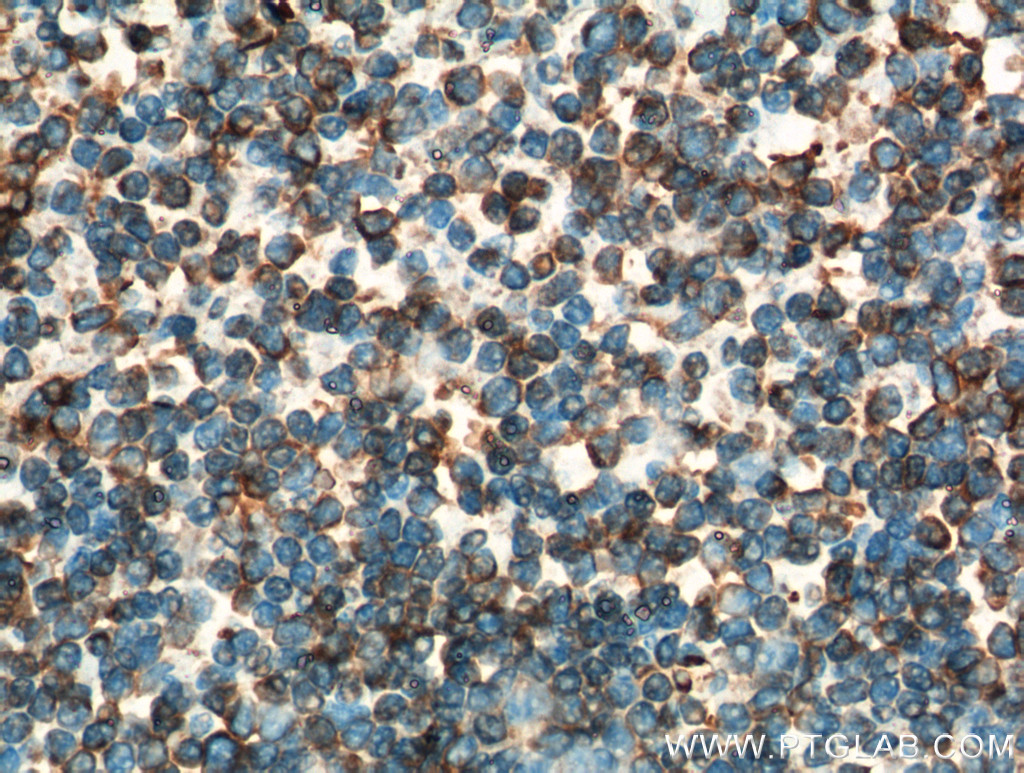
验证数据展示

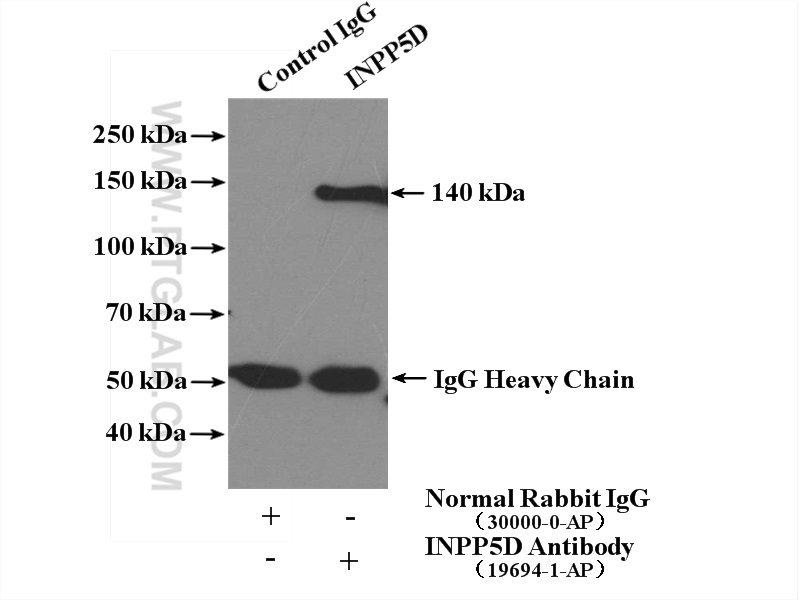
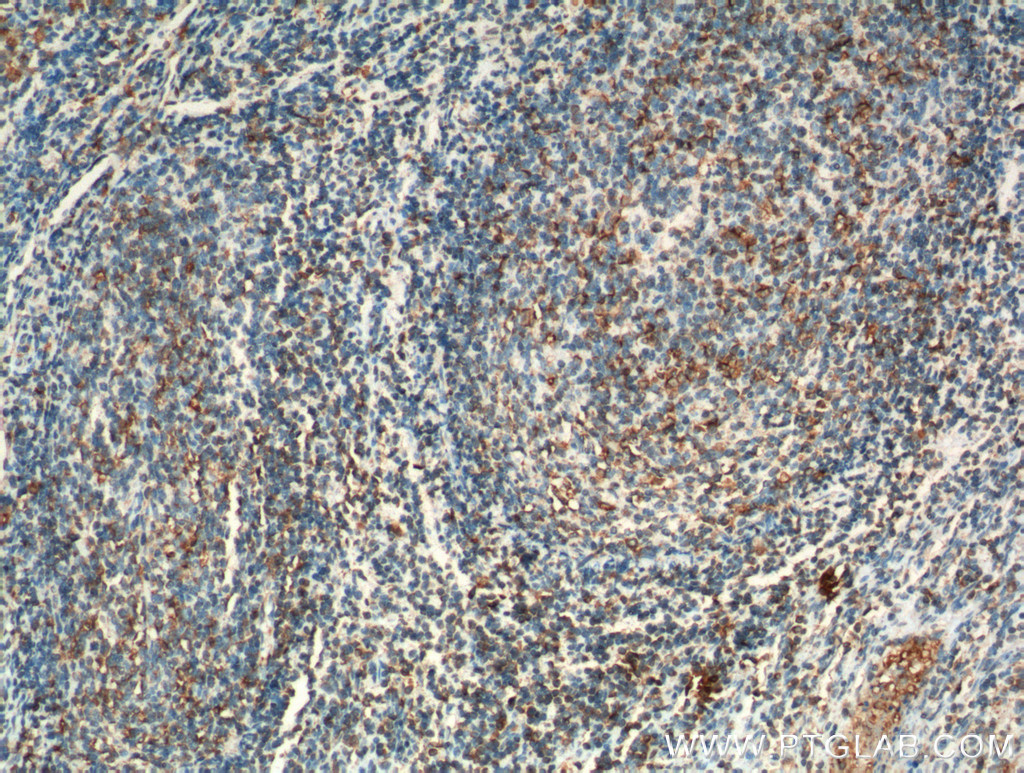
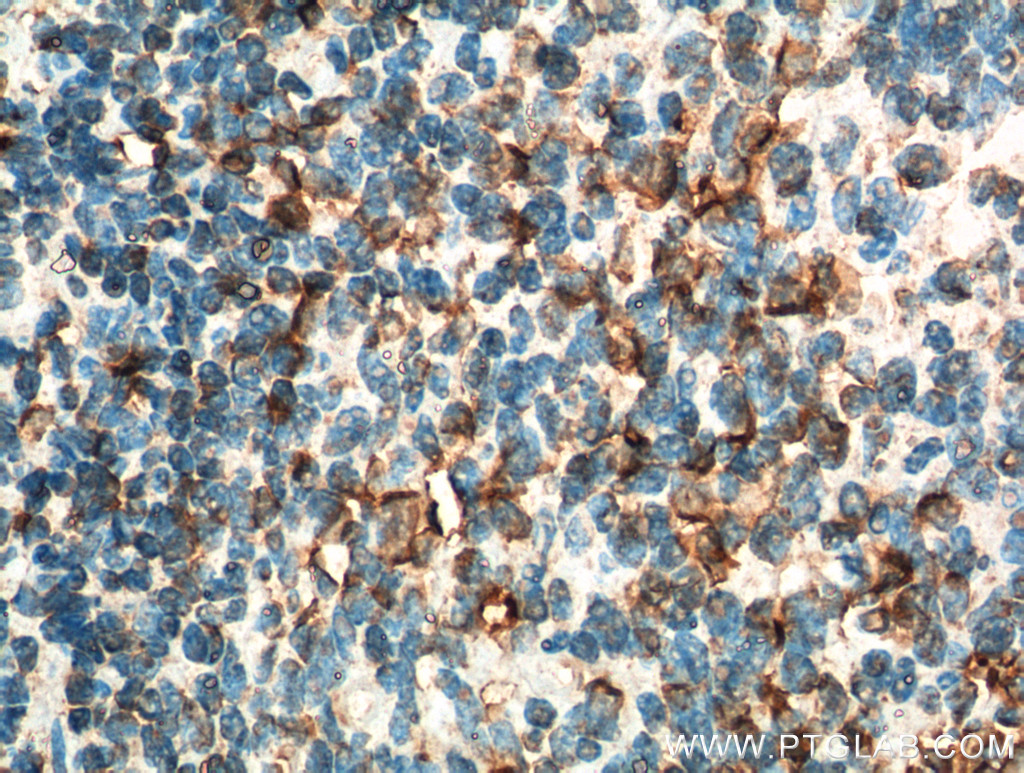
产品信息
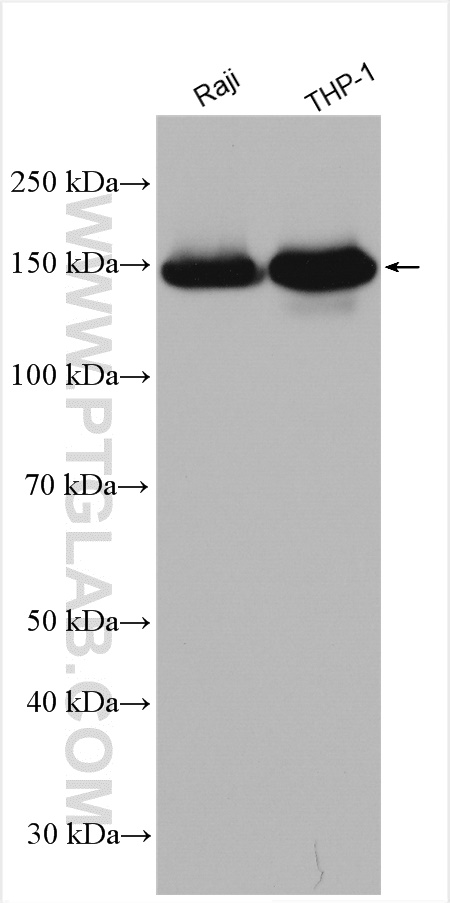
19694-1-PBS targets INPP5D in WB, IHC, IP, Indirect ELISA applications and shows reactivity with human, mouse, rat samples.
| 经测试应用 | WB, IHC, IP, Indirect ELISA Application Description |
| 经测试反应性 | human, mouse, rat |
| 免疫原 |
Peptide 种属同源性预测 |
| 宿主/亚型 | Rabbit / IgG |
| 抗体类别 | Polyclonal |
| 产品类型 | Antibody |
| 全称 | inositol polyphosphate-5-phosphatase, 145kDa |
| 别名 | |
| 计算分子量 | 133 kDa |
| 观测分子量 | 145 kDa |
| GenBank蛋白编号 | NM_001017915 |
| 基因名称 | INPP5D |
| Gene ID (NCBI) | 3635 |
| RRID | AB_10667407 |
| 偶联类型 | Unconjugated |
| 形式 | Liquid |
| 纯化方式 | Antigen affinity purification |
| UNIPROT ID | Q92835 |
| 储存缓冲液 | PBS only, pH 7.3. |
| 储存条件 | Store at -80°C. The product is shipped with ice packs. Upon receipt, store it immediately at -80°C |
背景介绍
INPP5D, also named as SHIP, SHIP1, SIP-145 and hp51CN, belongs to the inositol-1,4,5-trisphosphate 5-phosphatase family. INPP5D is phosphatidylinositol (PtdIns) phosphatase that specifically hydrolyzes the 5-phosphate of phosphatidylinositol-3,4,5-trisphosphate (PtdIns(3,4,5)P3) to produce PtdIns(3,4)P2, thereby negatively regulating the PI3K (phosphoinositide 3-kinase) pathways. INPP5D acts as a negative regulator of B-cell antigen receptor signaling. It mediates signaling from the FC-gamma-RIIB receptor (FCGR2B), playing a central role in terminating signal transduction from activating immune/hematopoietic cell receptor systems. INPP5D acts as a negative regulator of myeloid cell proliferation/survival and chemotaxis, mast cell degranulation, immune cells homeostasis, integrin alpha-IIb/beta-3 signaling in platelets and JNK signaling in B-cells. INPP5D regulates proliferation of osteoclast precursors, macrophage programming, phagocytosis and activation and is required for endotoxin tolerance. It is involved in the control of cell-cell junctions, CD32a signaling in neutrophils and modulation of EGF-induced phospholipase C activity. It is a key regulator of neutrophil migration, by governing the formation of the leading edge and polarization required for chemotaxis. It modulates FCGR3/CD16-mediated cytotoxicity in NK cells. It mediates the activin/TGF-beta-induced apoptosis through its Smad-dependent expression. INPP5D may also hydrolyze PtdIns(1,3,4,5)P4, and could thus affect the levels of the higher inositol polyphosphates like InsP6. This antibody is specific to INPP5D.