WB Figures
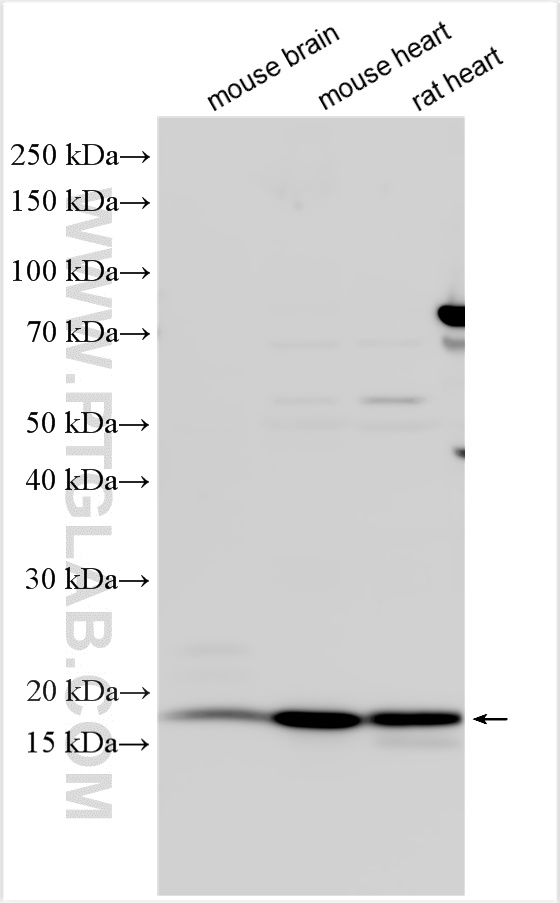
WB analysis using 17400-1-AP (same clone as 17400-1-PBS)
Various lysates were subjected to SDS PAGE followed by western blot with 17400-1-AP (FGF1 antibody) at dilution of 1:2500 incubated at room temperature for 1.5 hours. This data was developed using the same antibody clone with 17400-1-PBS in a different storage buffer formulation.
WB analysis using 17400-1-AP (same clone as 17400-1-PBS)
Various lysates were subjected to SDS PAGE followed by western blot with 17400-1-AP (FGF1 antibody) at dilution of 1:5000 incubated at room temperature for 1.5 hours. This data was developed using the same antibody clone with 17400-1-PBS in a different storage buffer formulation.
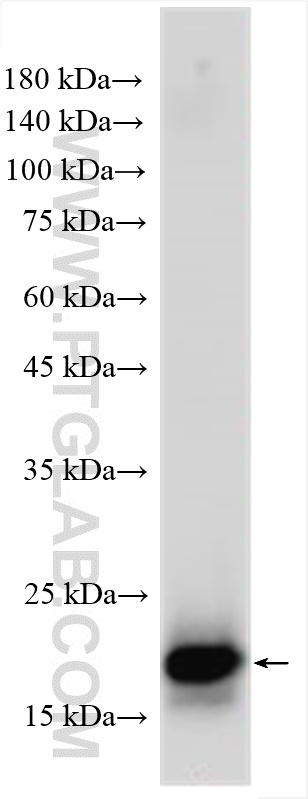
WB analysis of mouse spinal cord using 17400-1-AP (same clone as 17400-1-PBS)
mouse spinal cord tissue were subjected to SDS PAGE followed by western blot with 17400-1-AP (FGF1 antibody) at dilution of 1:1000 incubated at room temperature for 1.5 hours. This data was developed using the same antibody clone with 17400-1-PBS in a different storage buffer formulation.
IHC staining of human breast cancer using 17400-1-AP (same clone as 17400-1-PBS)
Immunohistochemical analysis of paraffin-embedded human breast cancer tissue slide using 17400-1-AP (FGF1 antibody) at dilution of 1:1000 (under 10x lens). This data was developed using the same antibody clone with 17400-1-PBS in a different storage buffer formulation.
IHC staining of human breast cancer using 17400-1-AP (same clone as 17400-1-PBS)
Immunohistochemical analysis of paraffin-embedded human breast cancer tissue slide using 17400-1-AP (FGF1 antibody) at dilution of 1:1000 (under 40x lens). This data was developed using the same antibody clone with 17400-1-PBS in a different storage buffer formulation.
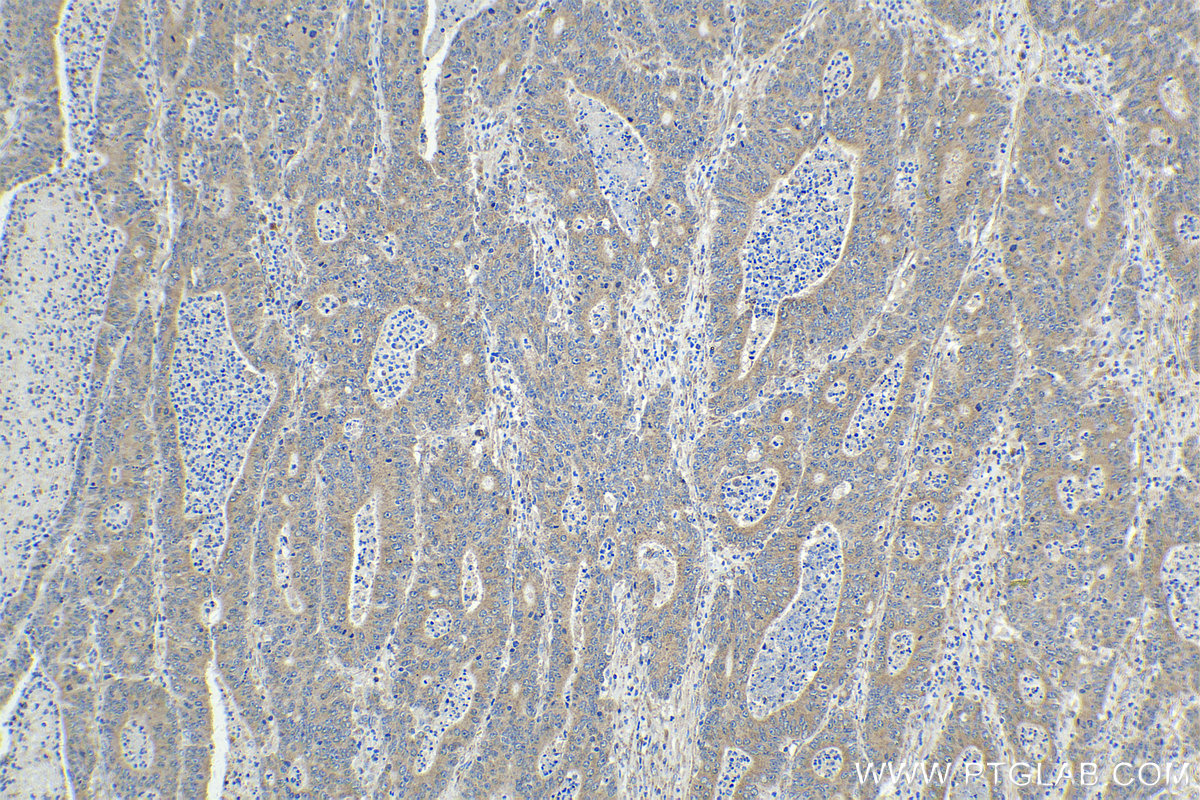
IHC staining of human colon cancer using 17400-1-AP (same clone as 17400-1-PBS)
Immunohistochemical analysis of paraffin-embedded human colon cancer tissue slide using 17400-1-AP (FGF1 antibody) at dilution of 1:1000 (under 10x lens). Heat mediated antigen retrieval with Tris-EDTA buffer (pH 9.0). This data was developed using the same antibody clone with 17400-1-PBS in a different storage buffer formulation.
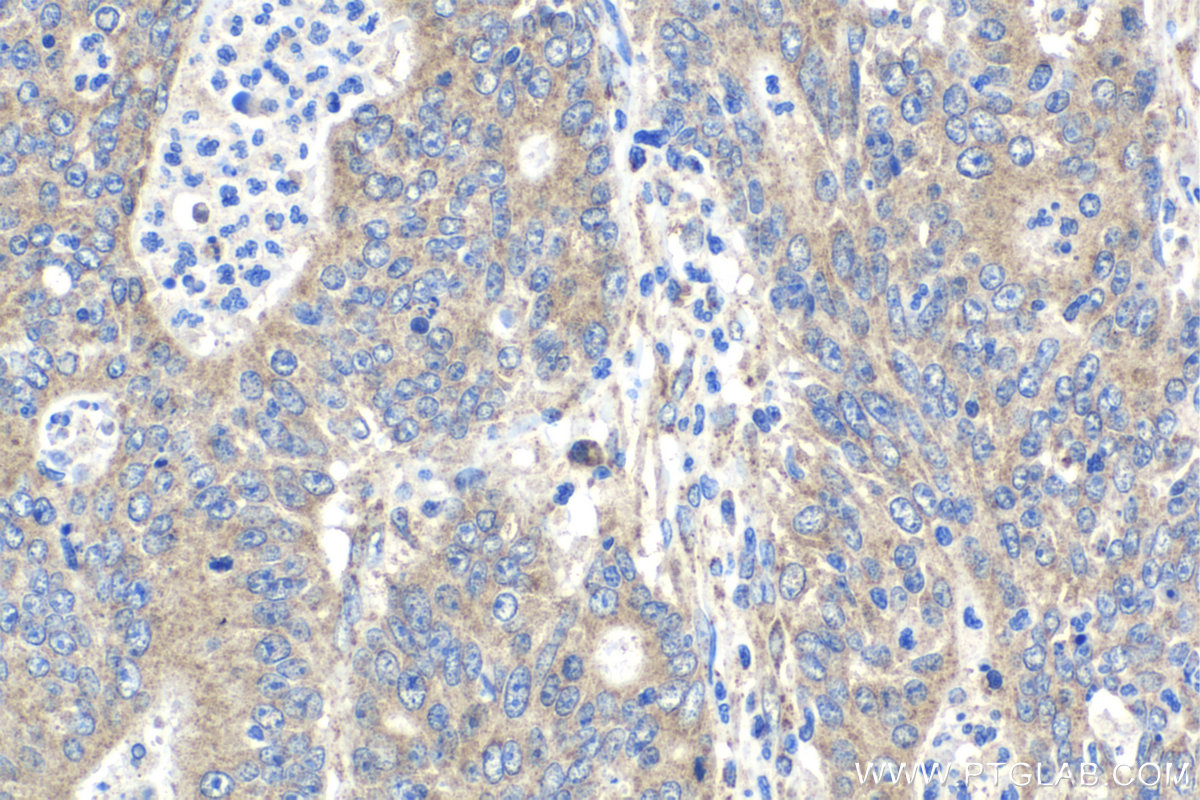
IHC staining of human colon cancer using 17400-1-AP (same clone as 17400-1-PBS)
Immunohistochemical analysis of paraffin-embedded human colon cancer tissue slide using 17400-1-AP (FGF1 antibody) at dilution of 1:1000 (under 40x lens). Heat mediated antigen retrieval with Tris-EDTA buffer (pH 9.0). This data was developed using the same antibody clone with 17400-1-PBS in a different storage buffer formulation.
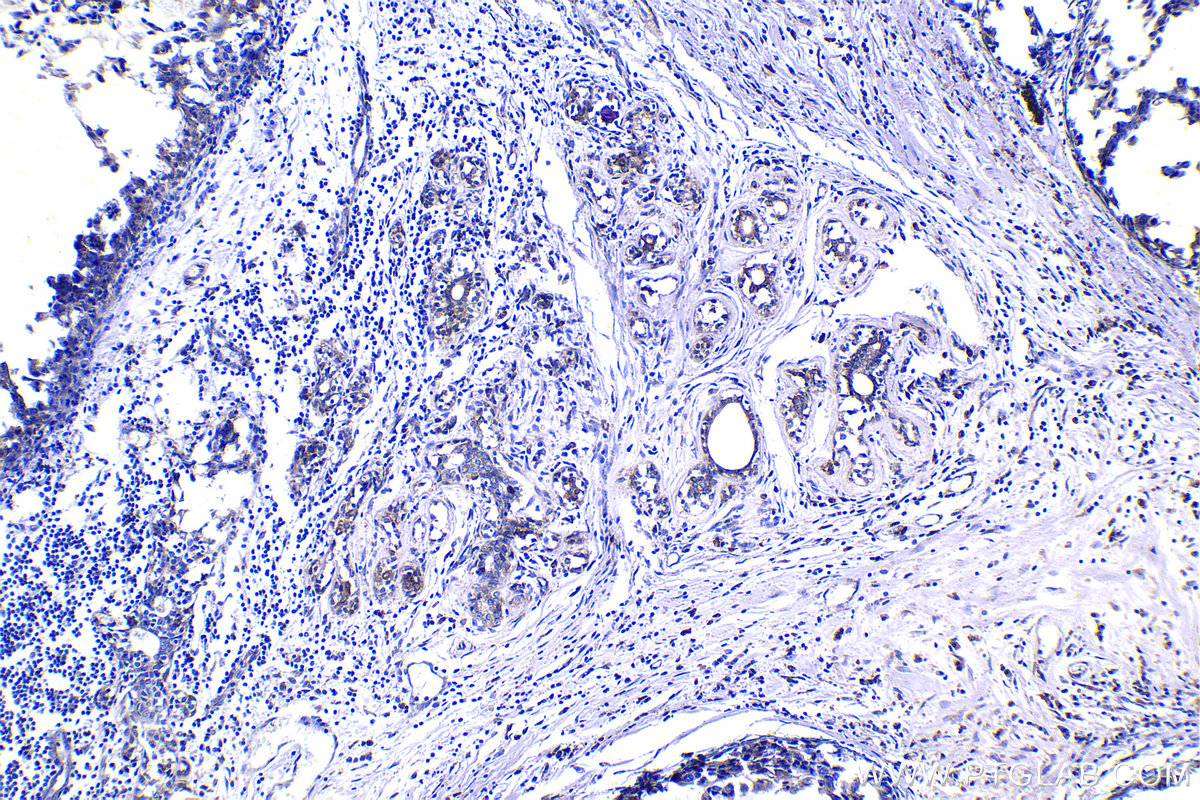
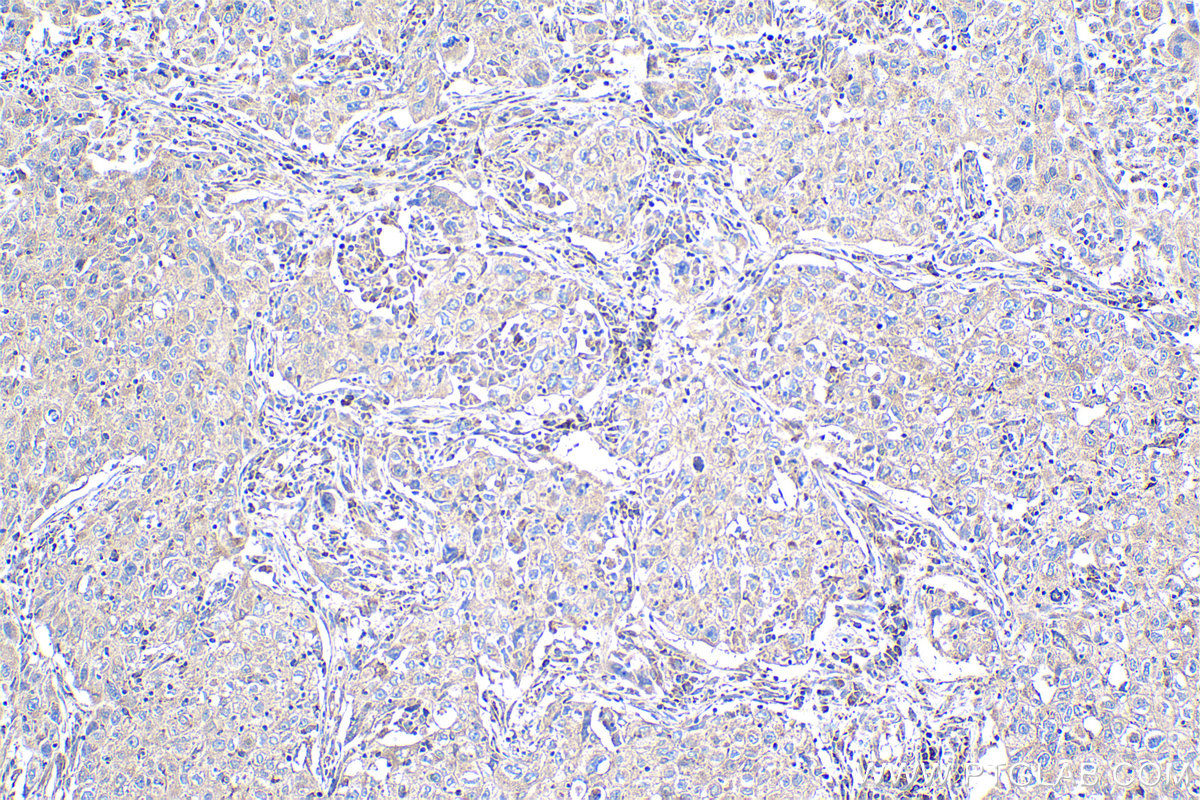
IHC staining of human lung cancer using 17400-1-AP (same clone as 17400-1-PBS)
Immunohistochemical analysis of paraffin-embedded human lung cancer tissue slide using 17400-1-AP (FGF1 antibody) at dilution of 1:1000 (under 10x lens). Heat mediated antigen retrieval with Tris-EDTA buffer (pH 9.0). This data was developed using the same antibody clone with 17400-1-PBS in a different storage buffer formulation.
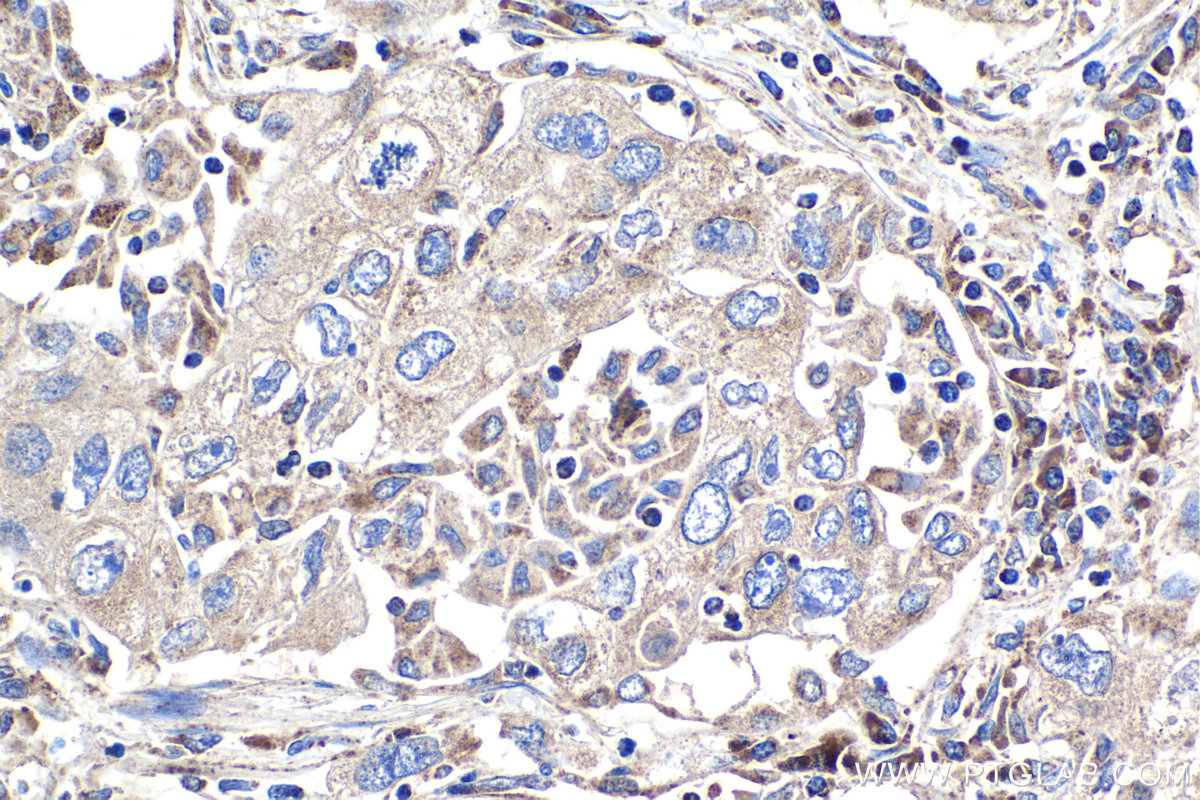
IHC staining of human lung cancer using 17400-1-AP (same clone as 17400-1-PBS)
Immunohistochemical analysis of paraffin-embedded human lung cancer tissue slide using 17400-1-AP (FGF1 antibody) at dilution of 1:1000 (under 40x lens). Heat mediated antigen retrieval with Tris-EDTA buffer (pH 9.0). This data was developed using the same antibody clone with 17400-1-PBS in a different storage buffer formulation.
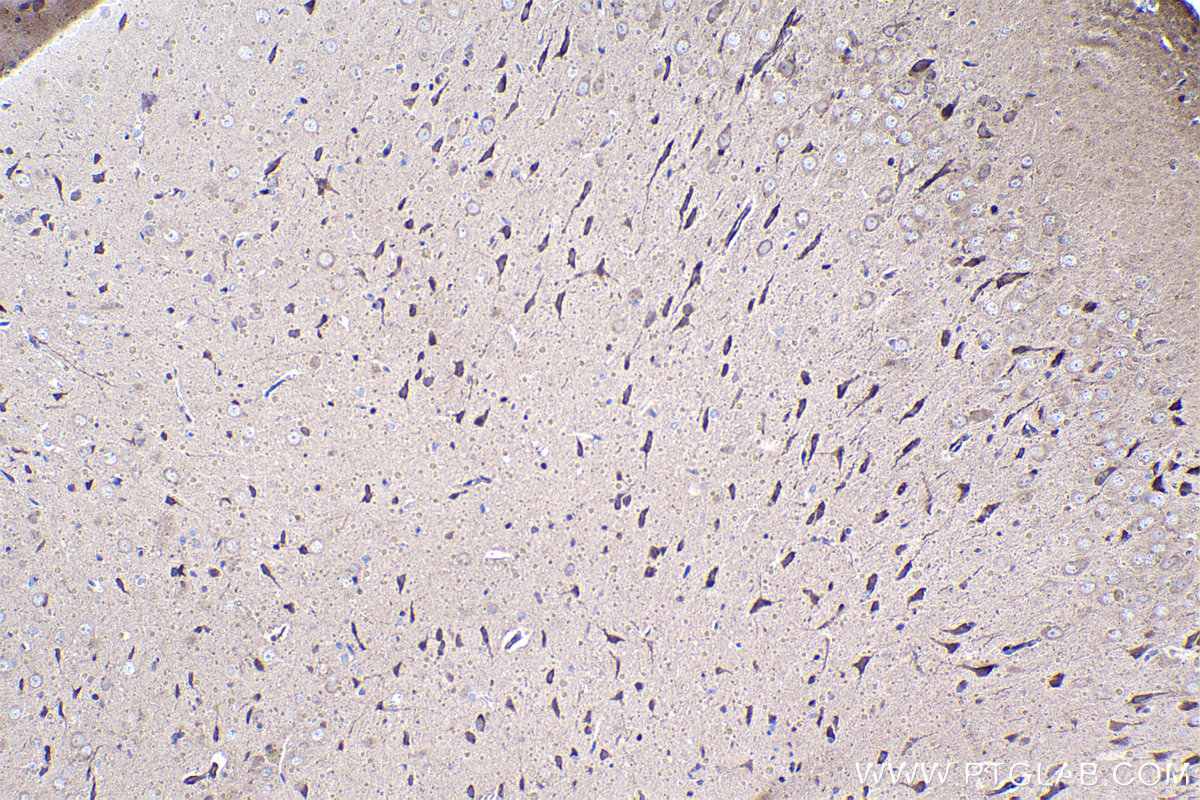
IHC staining of mouse brain using 17400-1-AP (same clone as 17400-1-PBS)
Immunohistochemical analysis of paraffin-embedded mouse brain tissue slide using 17400-1-AP (FGF1 antibody) at dilution of 1:1000 (under 10x lens). Heat mediated antigen retrieval with Tris-EDTA buffer (pH 9.0). This data was developed using the same antibody clone with 17400-1-PBS in a different storage buffer formulation.
IHC staining of mouse brain using 17400-1-AP (same clone as 17400-1-PBS)
Immunohistochemical analysis of paraffin-embedded mouse brain tissue slide using 17400-1-AP (FGF1 antibody) at dilution of 1:1000 (under 40x lens). Heat mediated antigen retrieval with Tris-EDTA buffer (pH 9.0). This data was developed using the same antibody clone with 17400-1-PBS in a different storage buffer formulation.
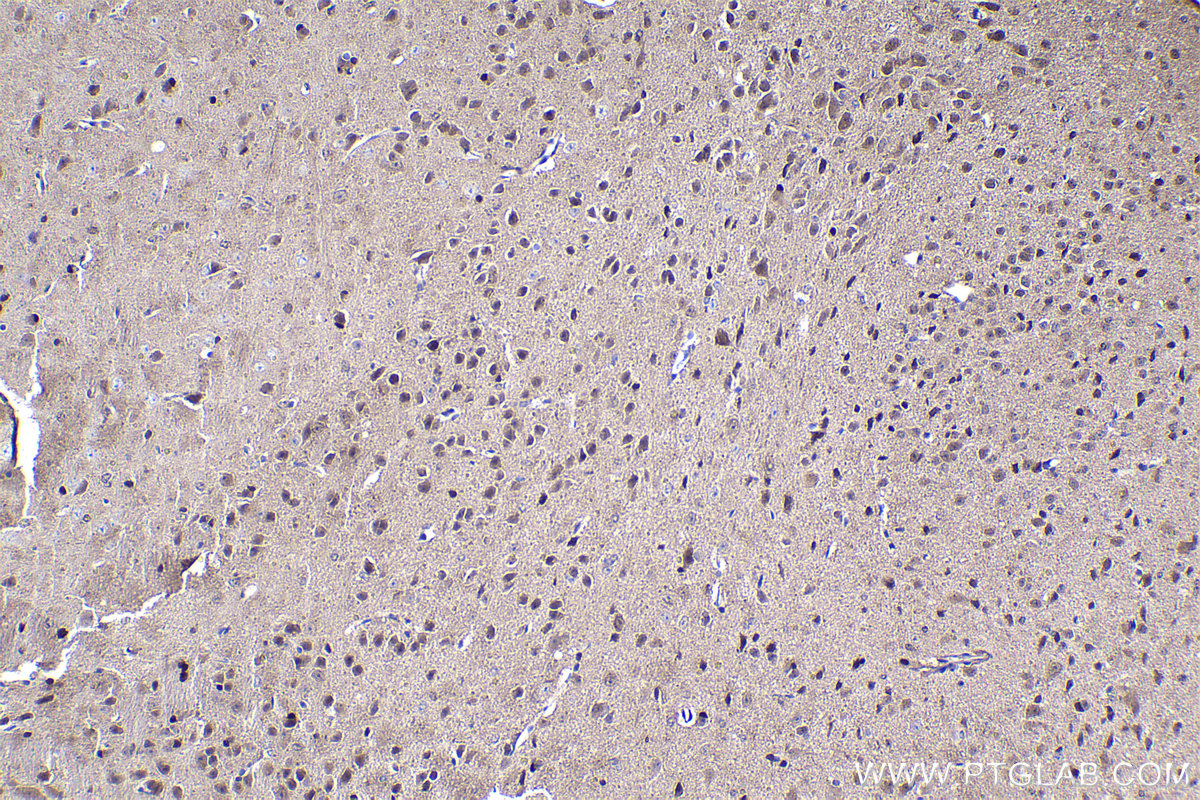
IHC staining of rat brain using 17400-1-AP (same clone as 17400-1-PBS)
Immunohistochemical analysis of paraffin-embedded rat brain tissue slide using 17400-1-AP (FGF1 antibody) at dilution of 1:1000 (under 10x lens). Heat mediated antigen retrieval with Tris-EDTA buffer (pH 9.0). This data was developed using the same antibody clone with 17400-1-PBS in a different storage buffer formulation.
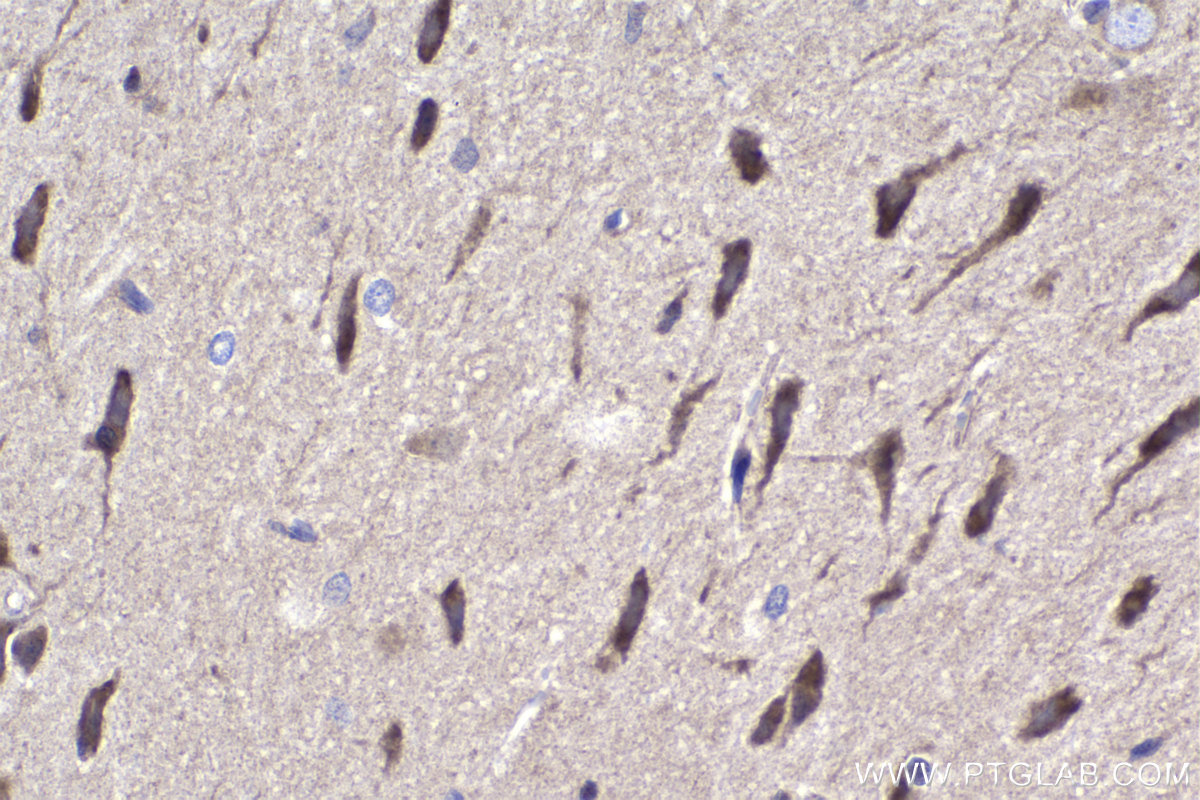
IHC staining of rat brain using 17400-1-AP (same clone as 17400-1-PBS)
Immunohistochemical analysis of paraffin-embedded rat brain tissue slide using 17400-1-AP (FGF1 antibody) at dilution of 1:1000 (under 40x lens). Heat mediated antigen retrieval with Tris-EDTA buffer (pH 9.0). This data was developed using the same antibody clone with 17400-1-PBS in a different storage buffer formulation.
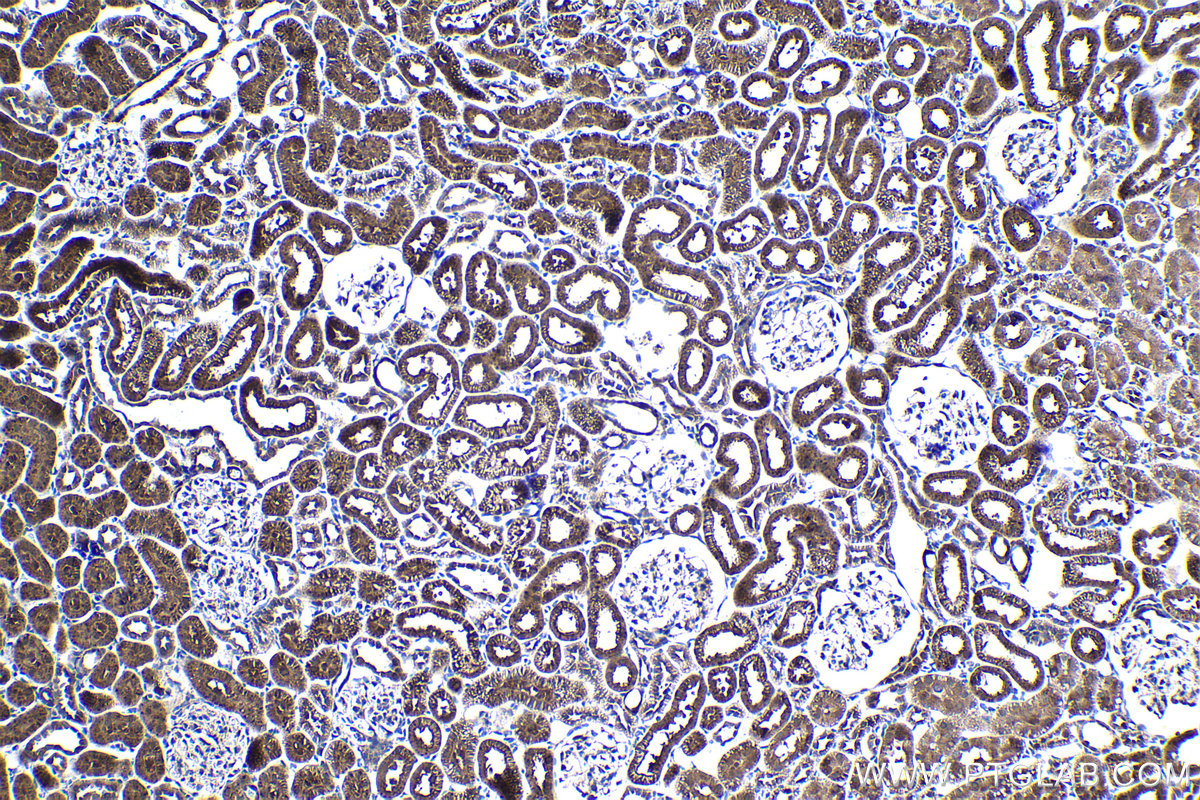
IHC staining of rat kidney using 17400-1-AP (same clone as 17400-1-PBS)
Immunohistochemical analysis of paraffin-embedded rat kidney tissue slide using 17400-1-AP (FGF1 antibody) at dilution of 1:1000 (under 10x lens). Heat mediated antigen retrieval with Tris-EDTA buffer (pH 9.0). This data was developed using the same antibody clone with 17400-1-PBS in a different storage buffer formulation.
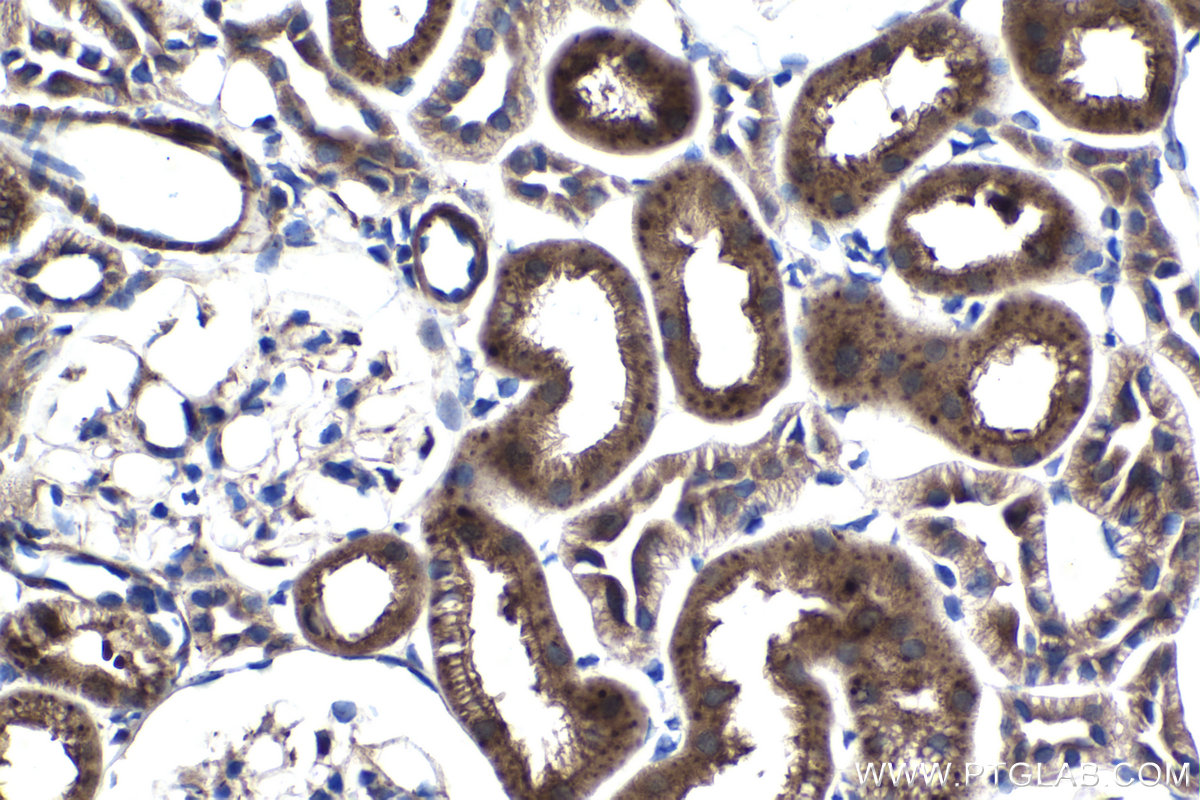
IHC staining of rat kidney using 17400-1-AP (same clone as 17400-1-PBS)
Immunohistochemical analysis of paraffin-embedded rat kidney tissue slide using 17400-1-AP (FGF1 antibody) at dilution of 1:1000 (under 40x lens). Heat mediated antigen retrieval with Tris-EDTA buffer (pH 9.0). This data was developed using the same antibody clone with 17400-1-PBS in a different storage buffer formulation.