验证数据展示
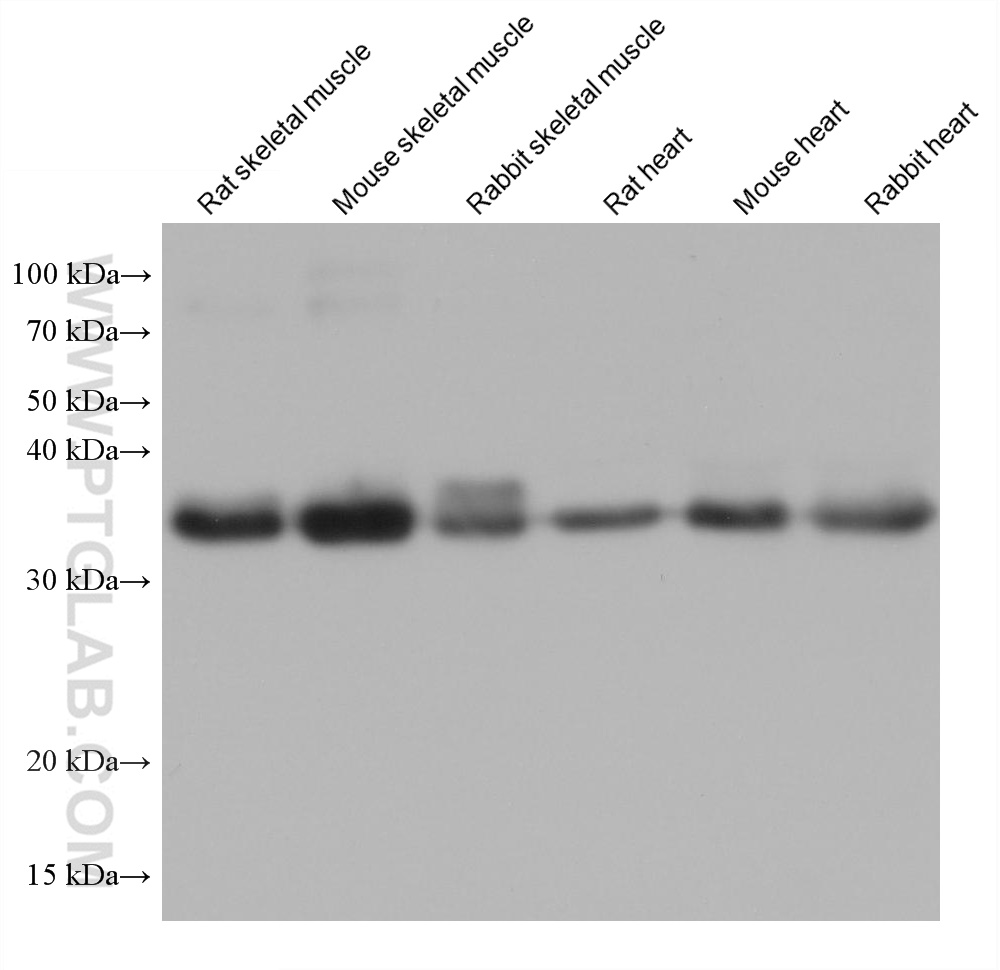
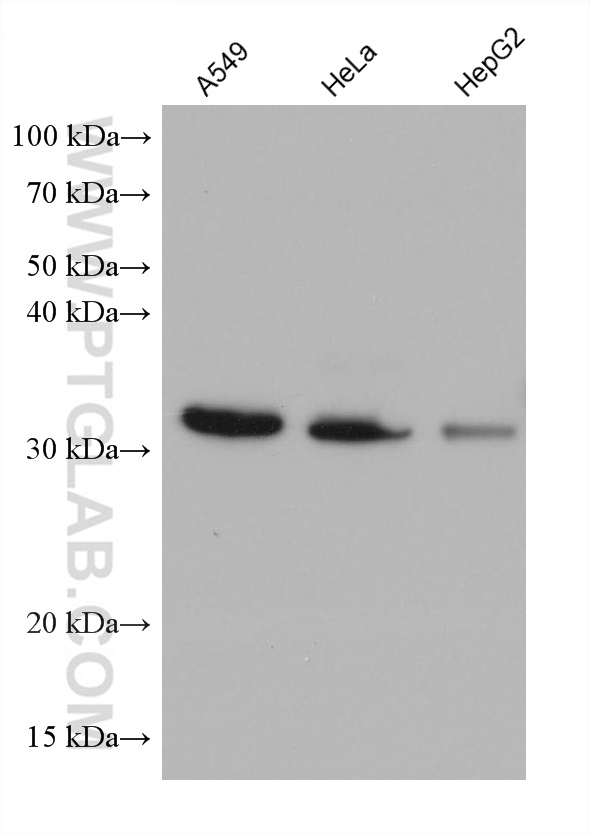
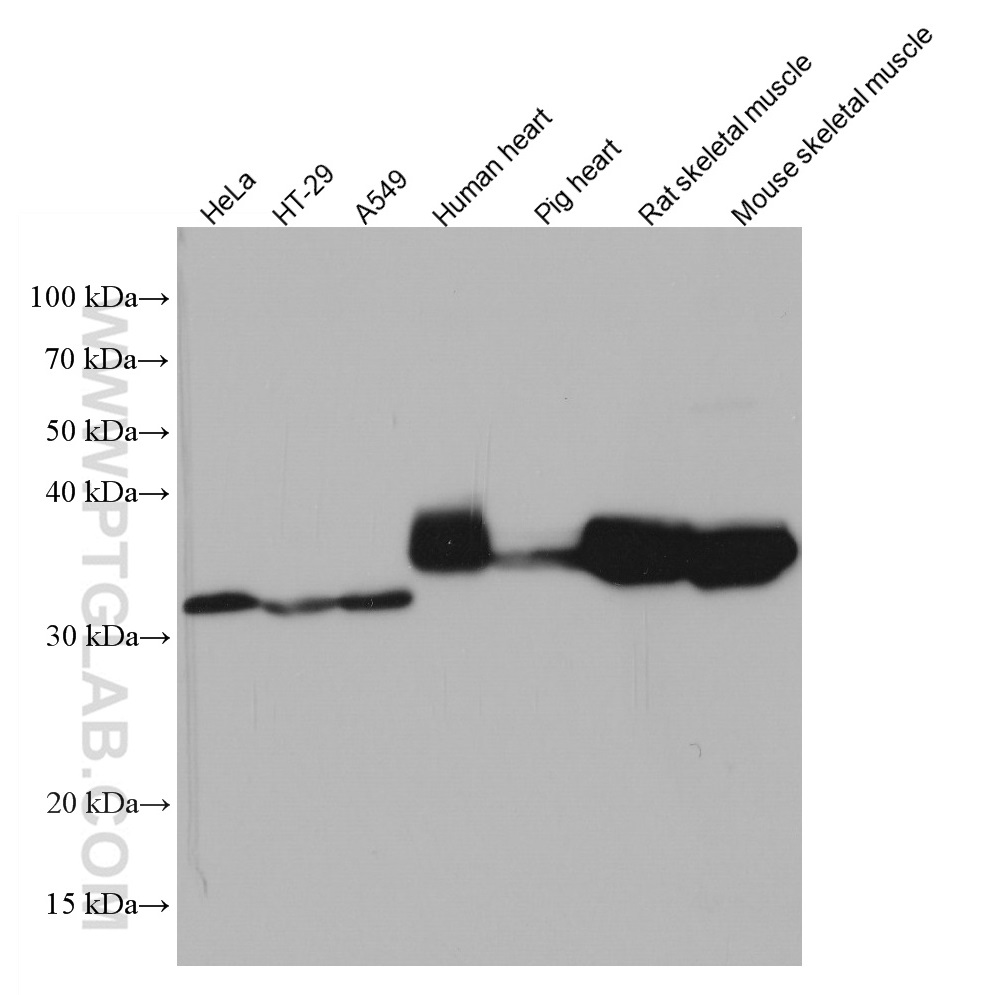
产品信息
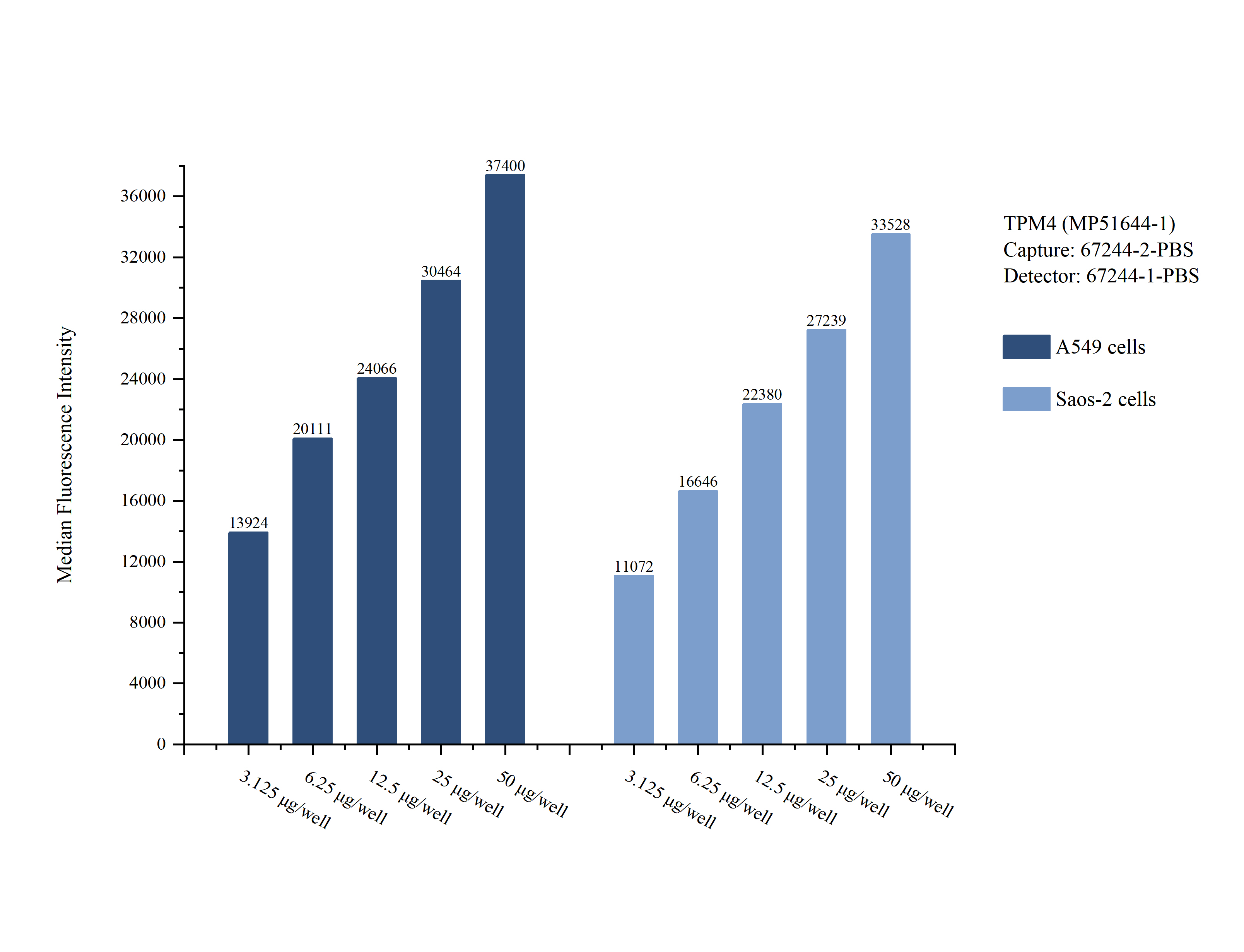
67244-1-PBS targets TPM4 as part of a matched antibody pair:
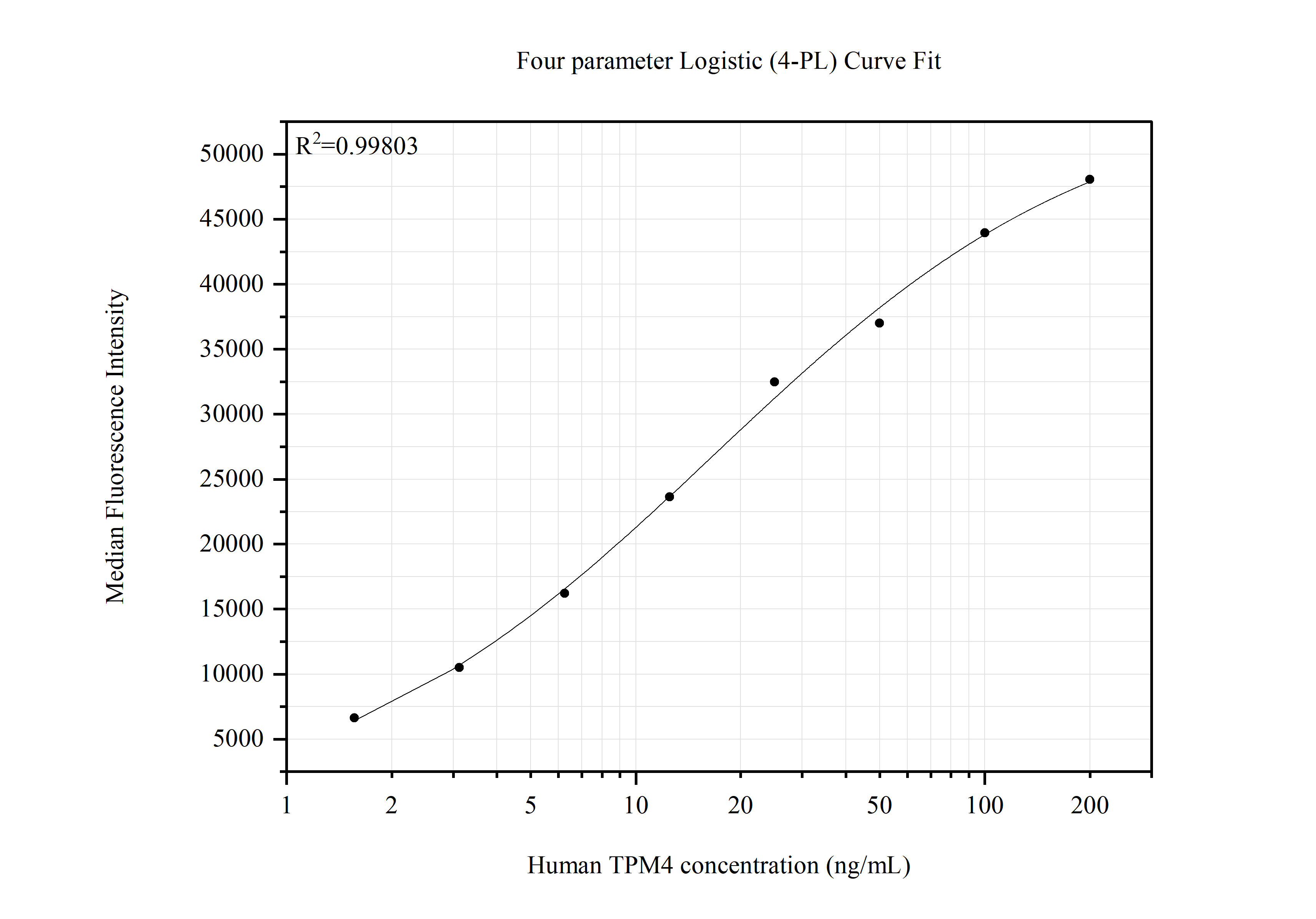
MP51644-1: 67244-2-PBS capture and 67244-1-PBS detection (validated in Cytometric bead array)
Unconjugated mouse monoclonal antibody pair in PBS only (BSA and azide free) storage buffer at a concentration of 1 mg/mL, ready for conjugation.
This conjugation ready format makes antibodies ideal for use in many applications including: ELISAs, multiplex assays requiring matched pairs, mass cytometry, and multiplex imaging applications.Antibody use should be optimized by the end user for each application and assay.
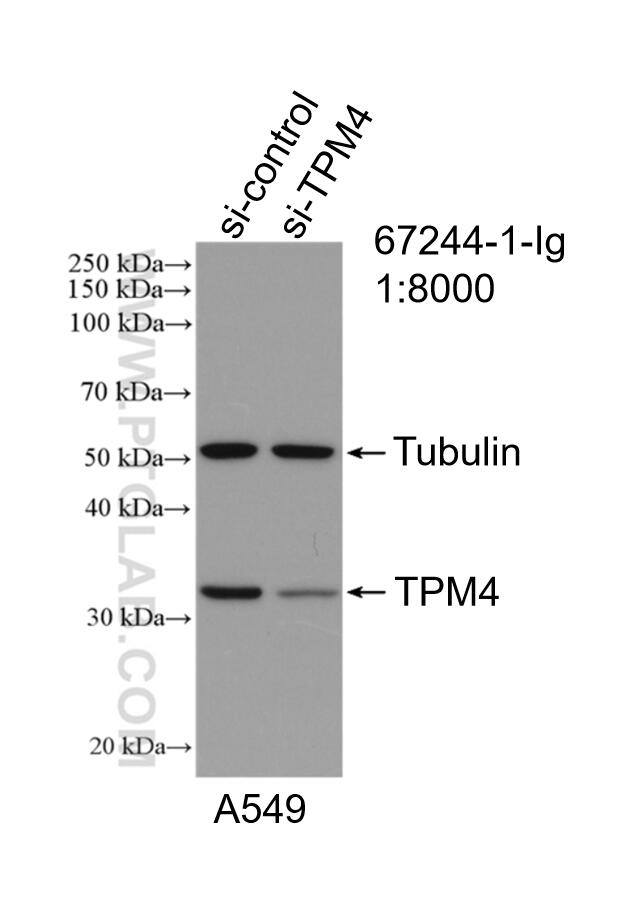
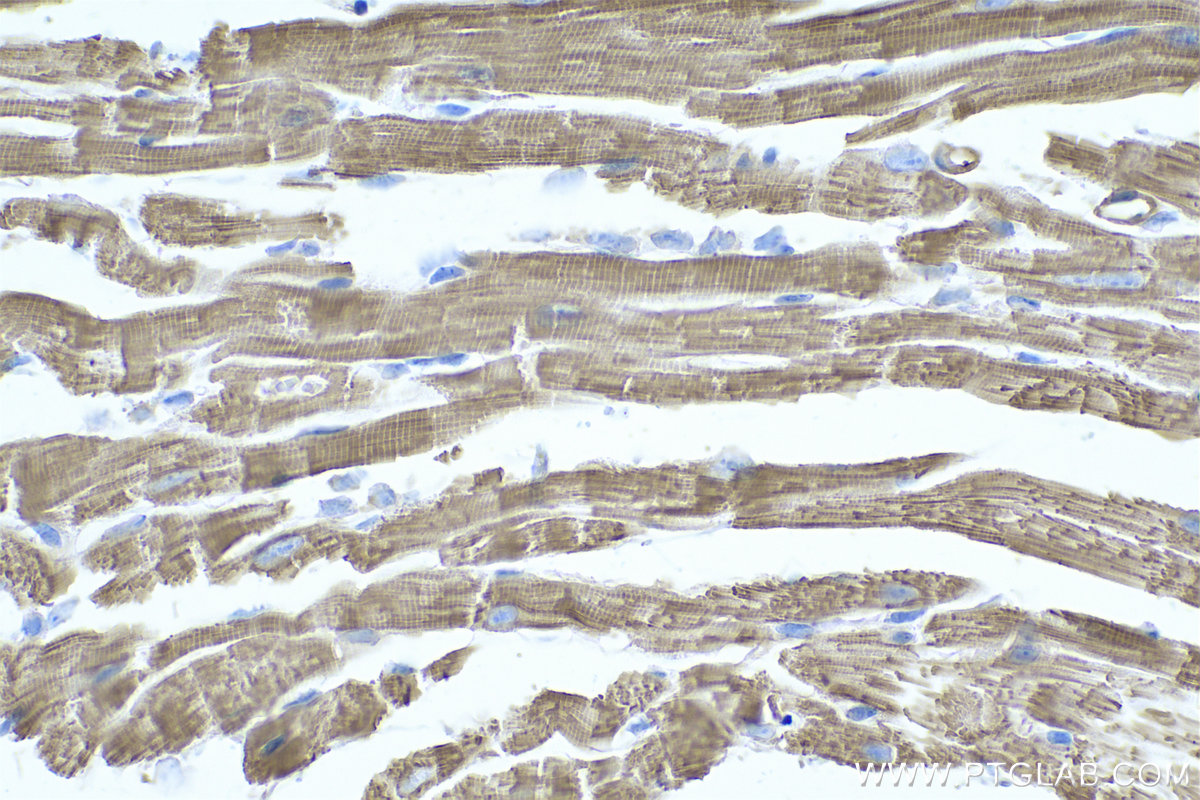
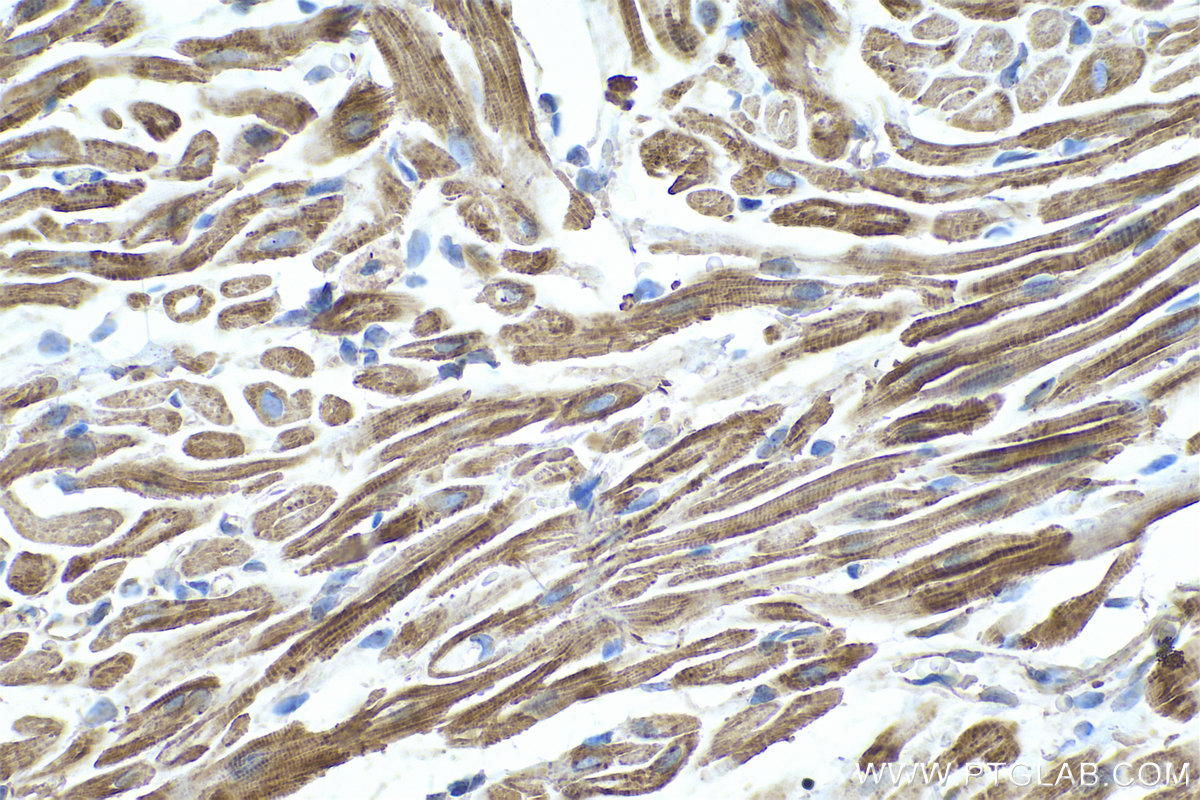
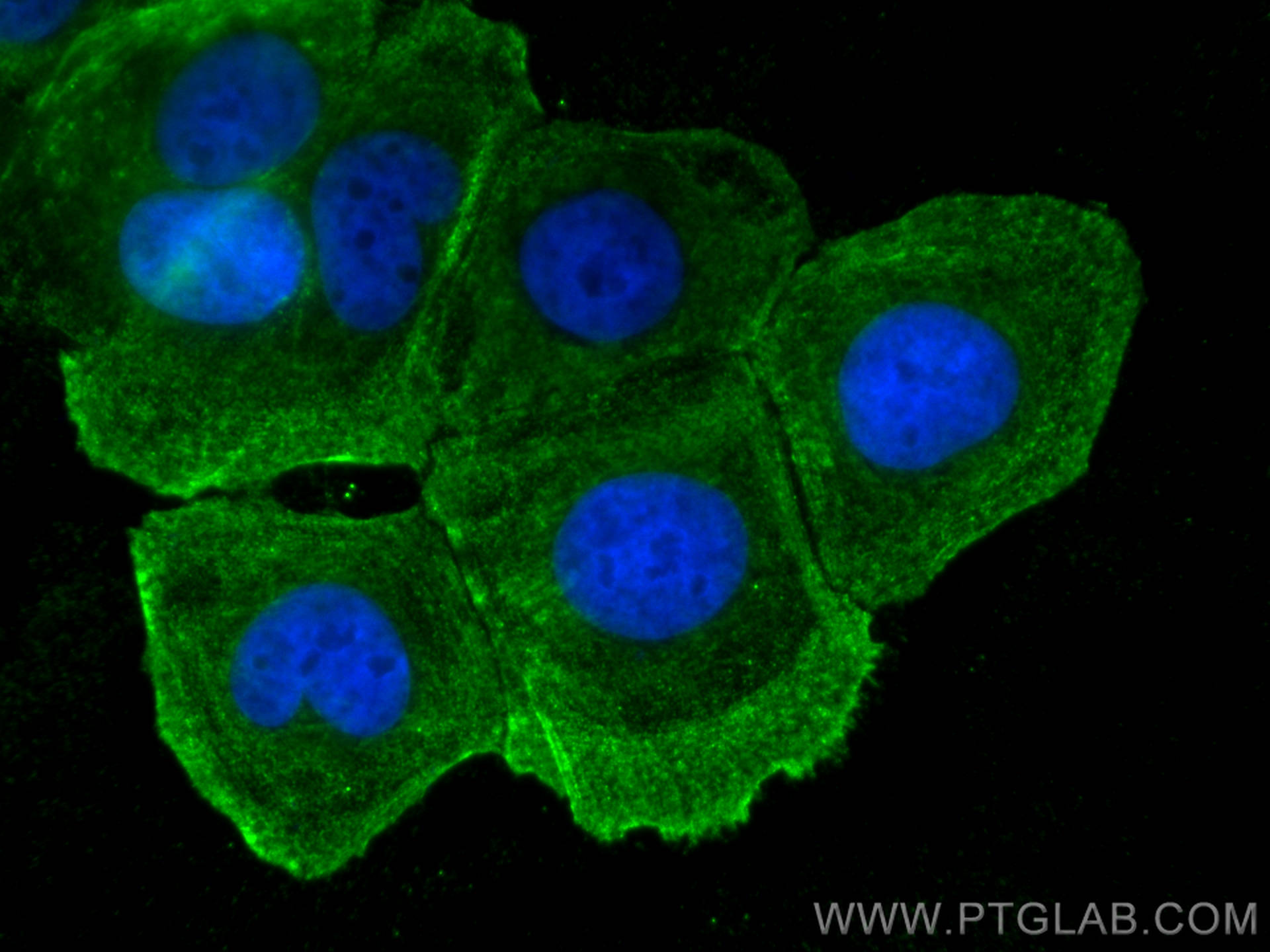
| 经测试应用 | WB, IHC, IF/ICC, Cytometric bead array, Indirect ELISA Application Description |
| 经测试反应性 | human, mouse, rat, pig, rabbit |
| 免疫原 |
CatNo: Ag6947 Product name: Recombinant human TPM4 protein Source: e coli.-derived, PET28a Tag: 6*His Domain: 1-248 aa of BC037576 Sequence: MAGLNSLEAVKRKIQALQQQADEAEDRAQGLQRELDGERERREKAEGDVAALNRRIQLVEEELDRAQERLATALQKLEEAEKAADESERGMKVIENRAMKDEEKMEIQEMQLKEAKHIAEEADRKYEEVARKLVILEGELERAEERAEVSELKCGDLEEELKNVTNNLKSLEAASEKYSEKEDKYEEEIKLLSDKLKEAETRAEFAERTVAKLEKTIDDLEEKLAQAKEENVGLHQTLDQTLNELNCI 种属同源性预测 |
| 宿主/亚型 | Mouse / IgG1 |
| 抗体类别 | Monoclonal |
| 产品类型 | Antibody |
| 全称 | tropomyosin 4 |
| 别名 | 2E12D12, TM30p1, tropomyosin 4, Tropomyosin alpha 4 chain, Tropomyosin alpha-4 chain |
| 计算分子量 | 248 aa, 29 kDa |
| 观测分子量 | 32-35 kDa |
| GenBank蛋白编号 | BC037576 |
| 基因名称 | TPM4 |
| Gene ID (NCBI) | 7171 |
| ENSEMBL Gene ID | ENSG00000167460 |
| RRID | AB_2882523 |
| 偶联类型 | Unconjugated |
| 形式 | Liquid |
| 纯化方式 | Protein G purification |
| UNIPROT ID | P67936 |
| 储存缓冲液 | PBS only, pH 7.3. |
| 储存条件 | Store at -80°C. The product is shipped with ice packs. Upon receipt, store it immediately at -80°C |
背景介绍
TPM4 is a member of tropomyosins (TPMs), a multi-gene family of actin-binding proteins present in all eukaryotic cells. In muscle, TPMs are responsible for mediating contraction via regulation of the actin-myosin interaction. As to non-muscle cells, its proposed role is to stabilize the actin filaments by modulating the interaction with proteins that are responsible for the regulation of actin dynamics. The form of TPM4 in muscle has a higher molecular weight than the form found in non-muscle cells.