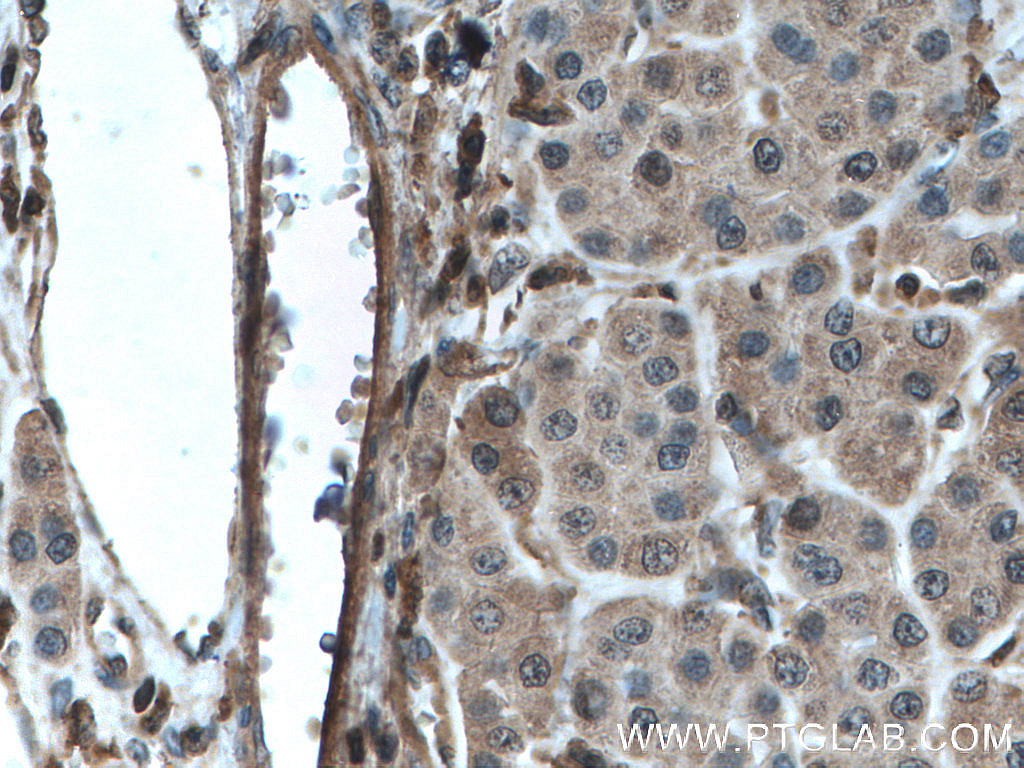
验证数据展示
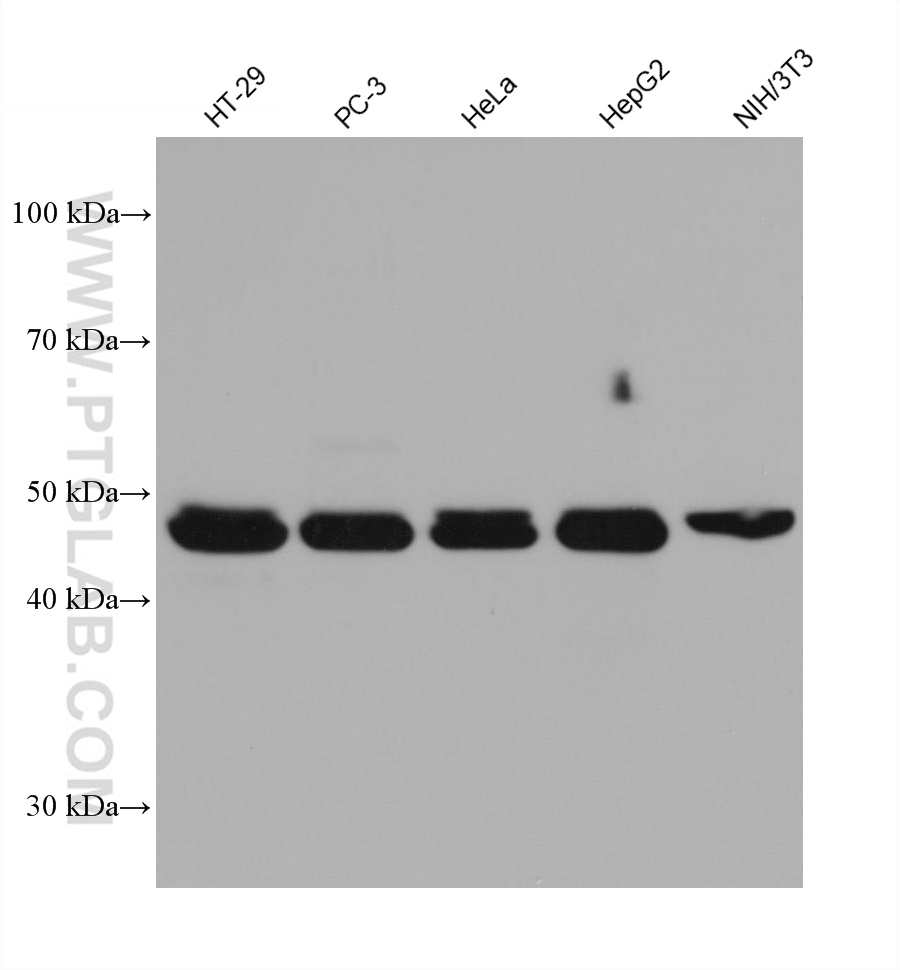
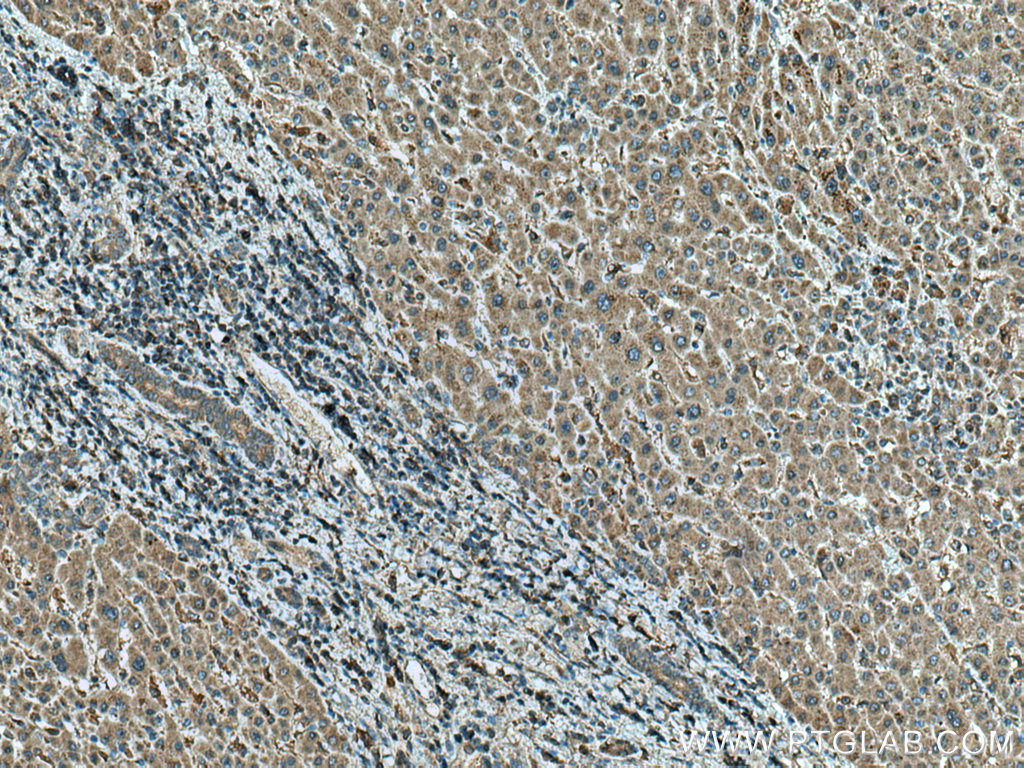
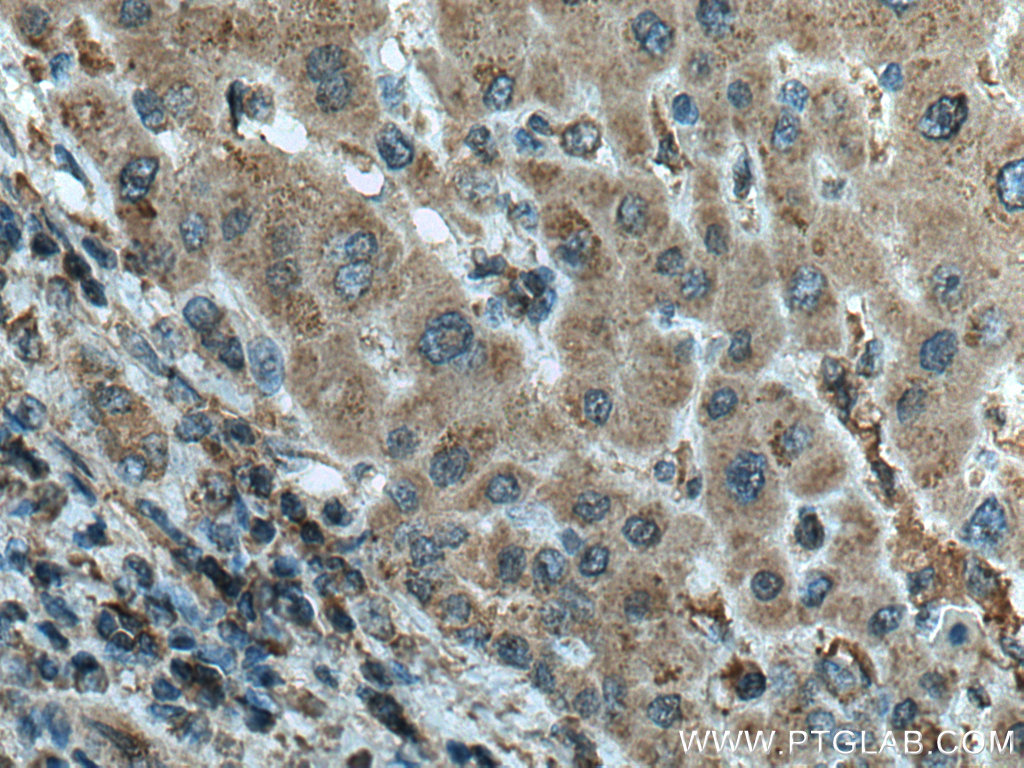
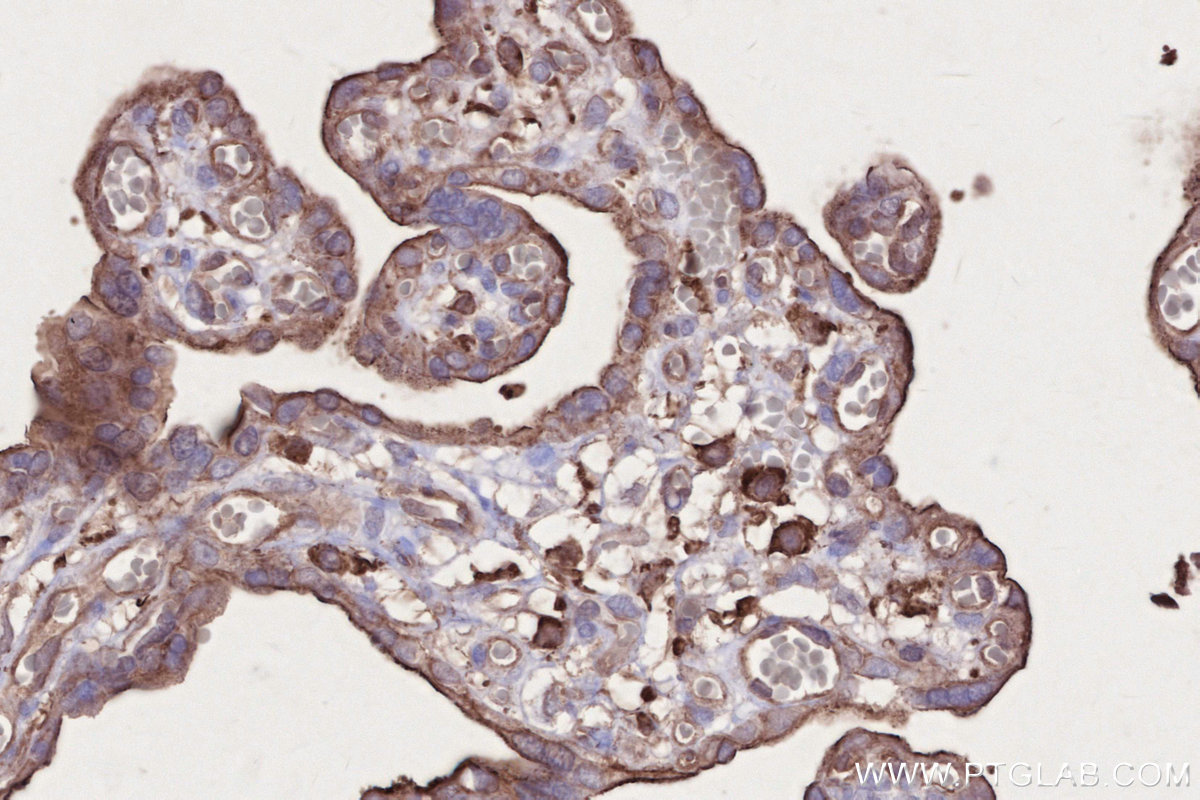
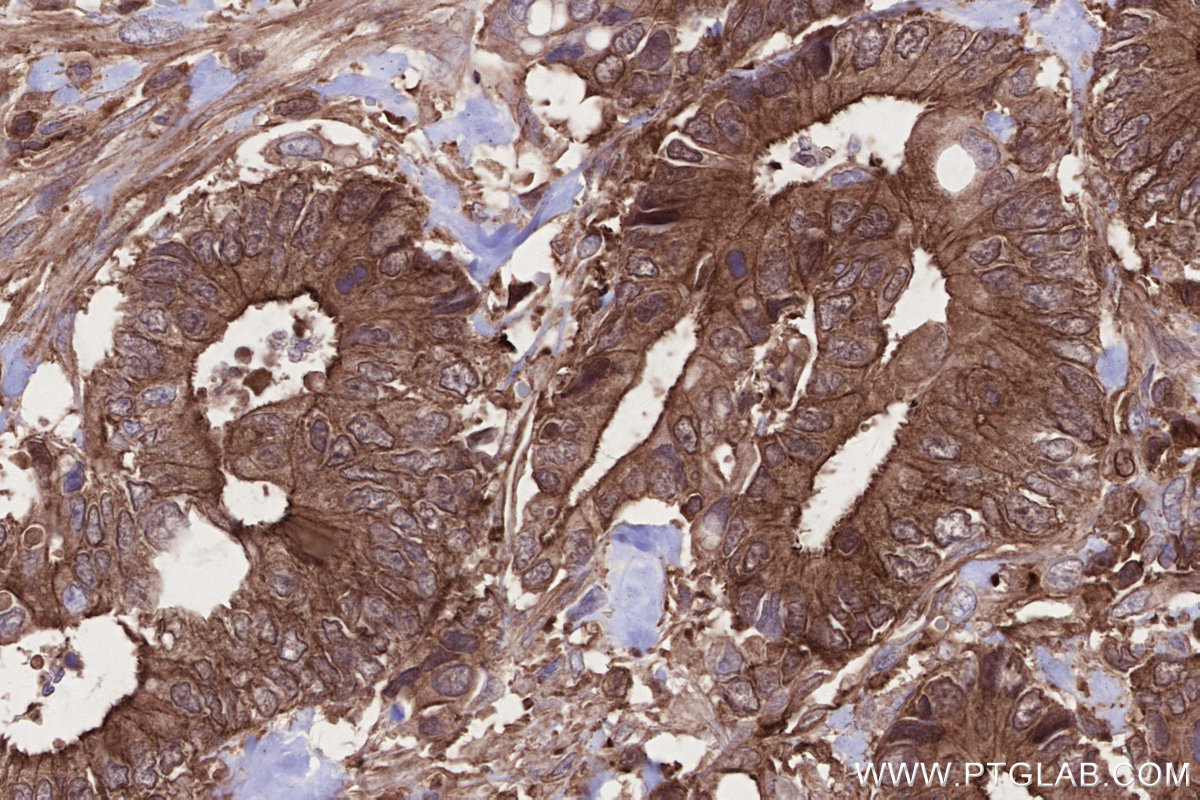
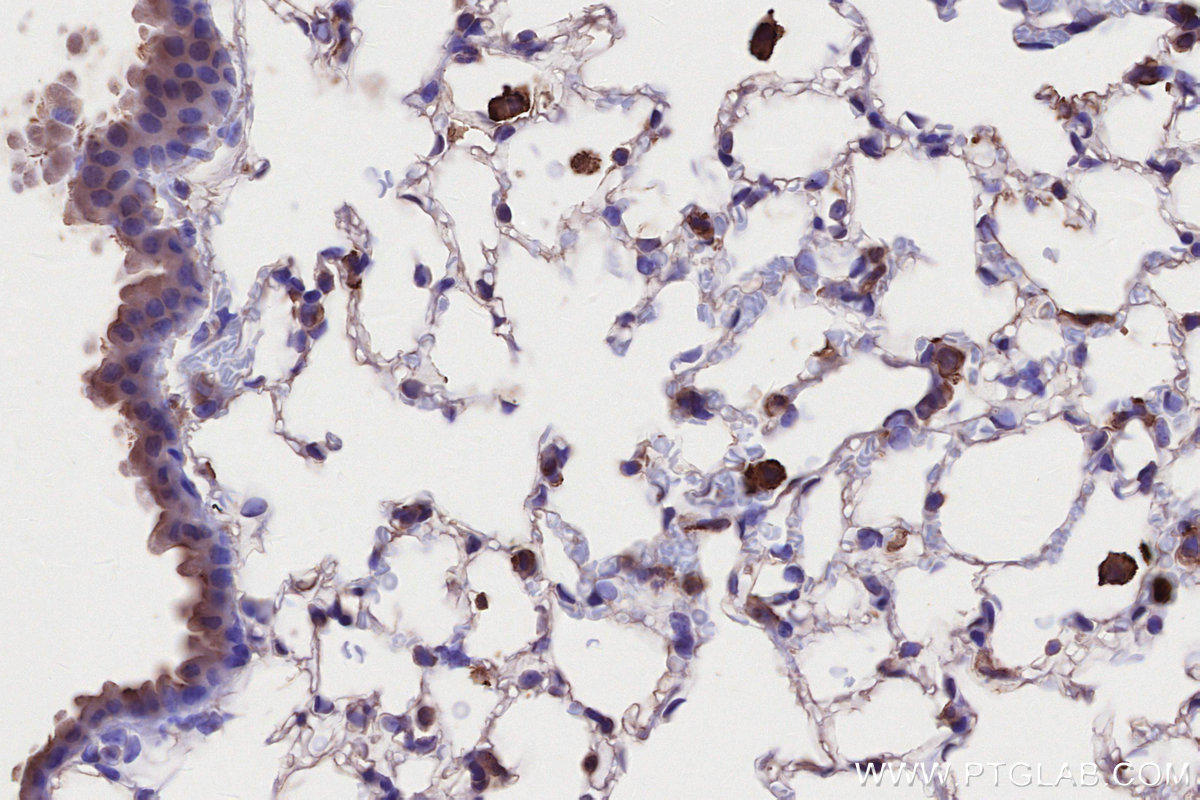
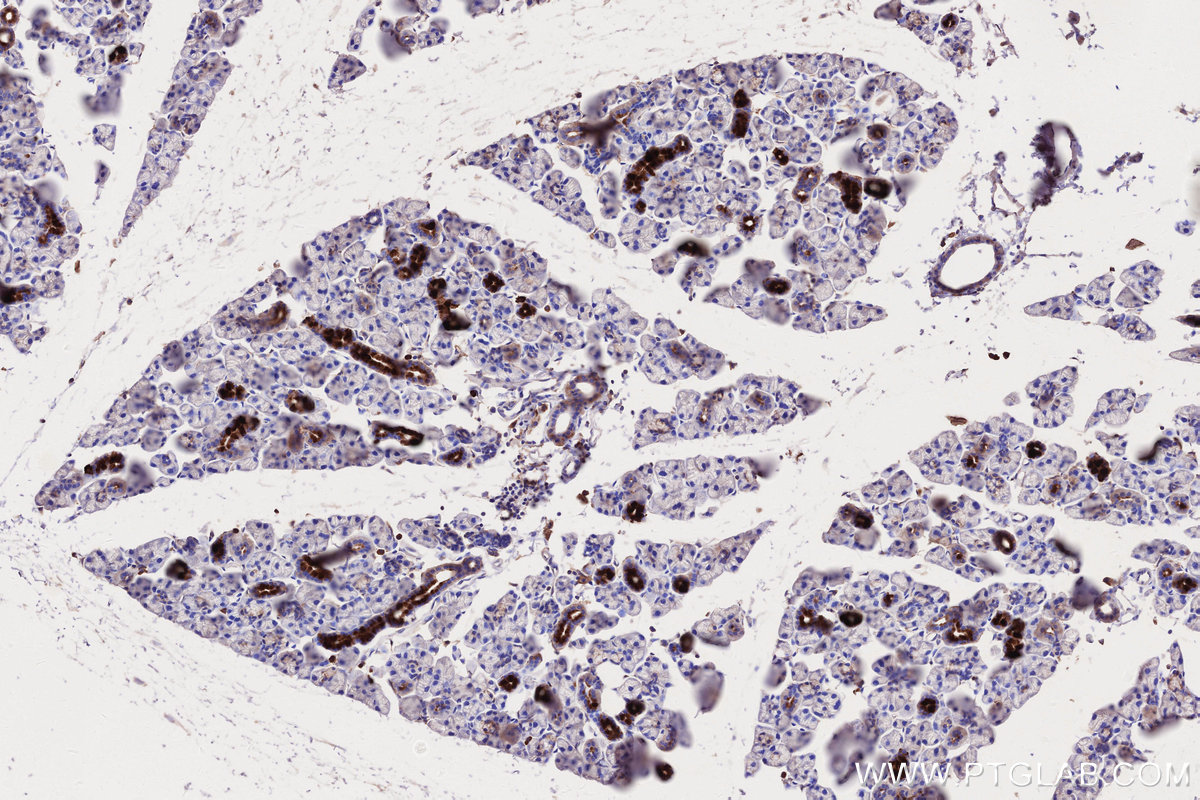
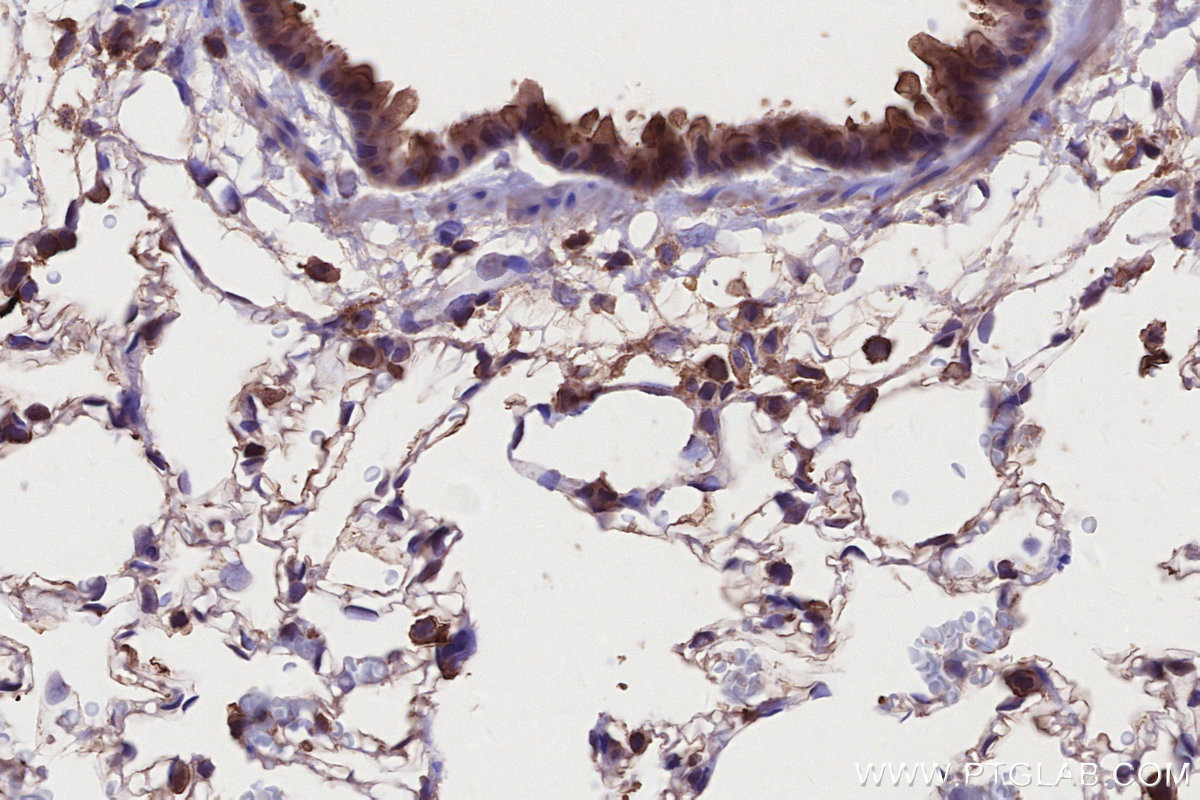
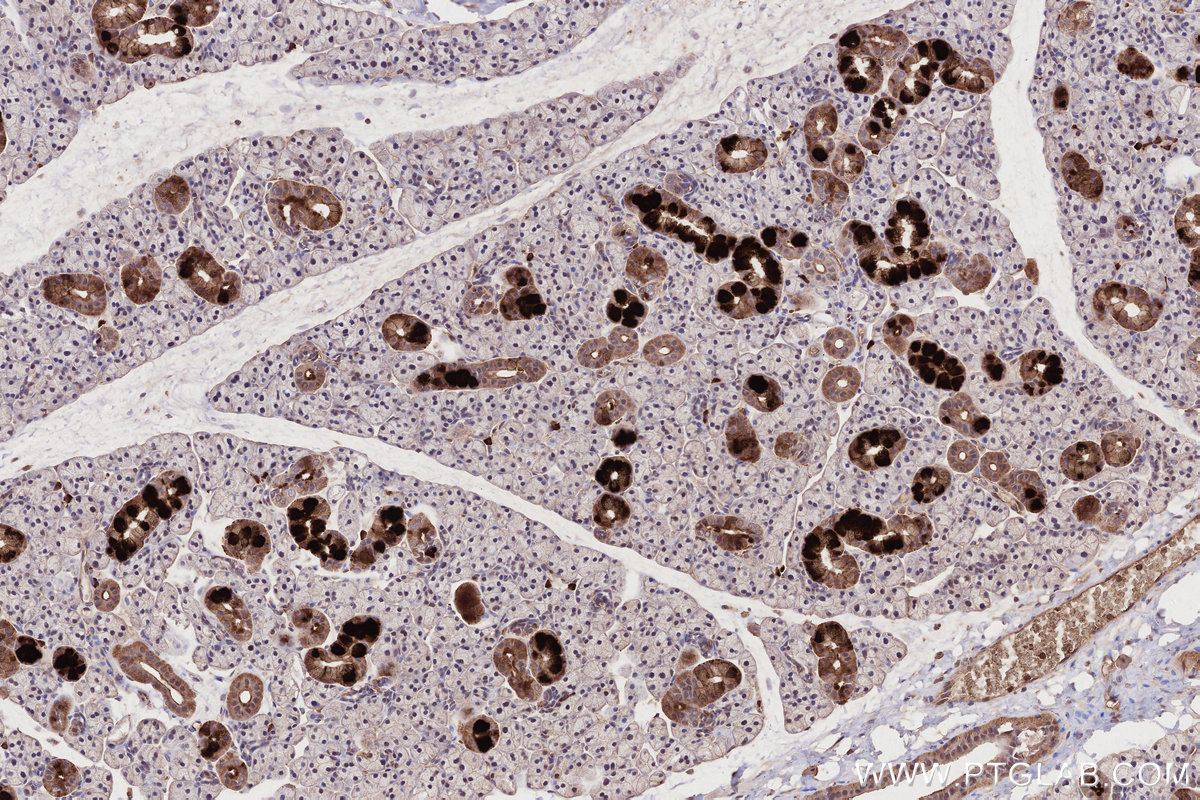
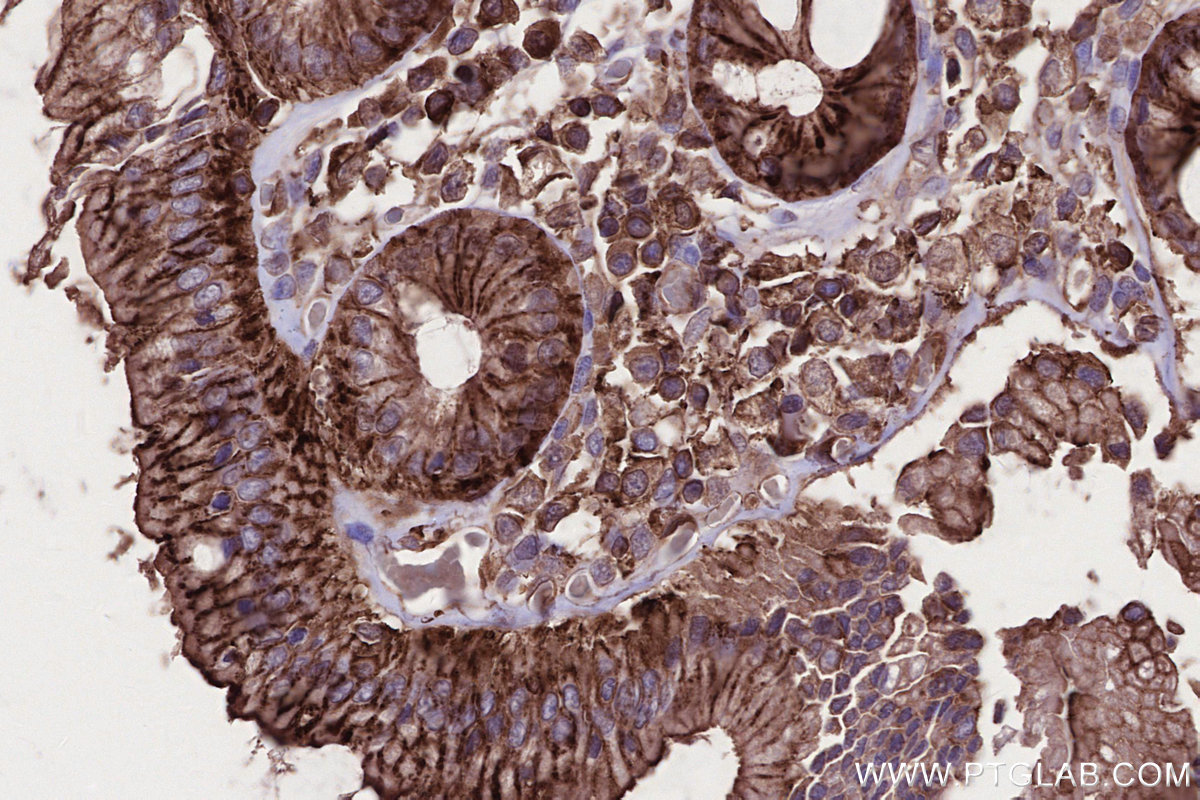
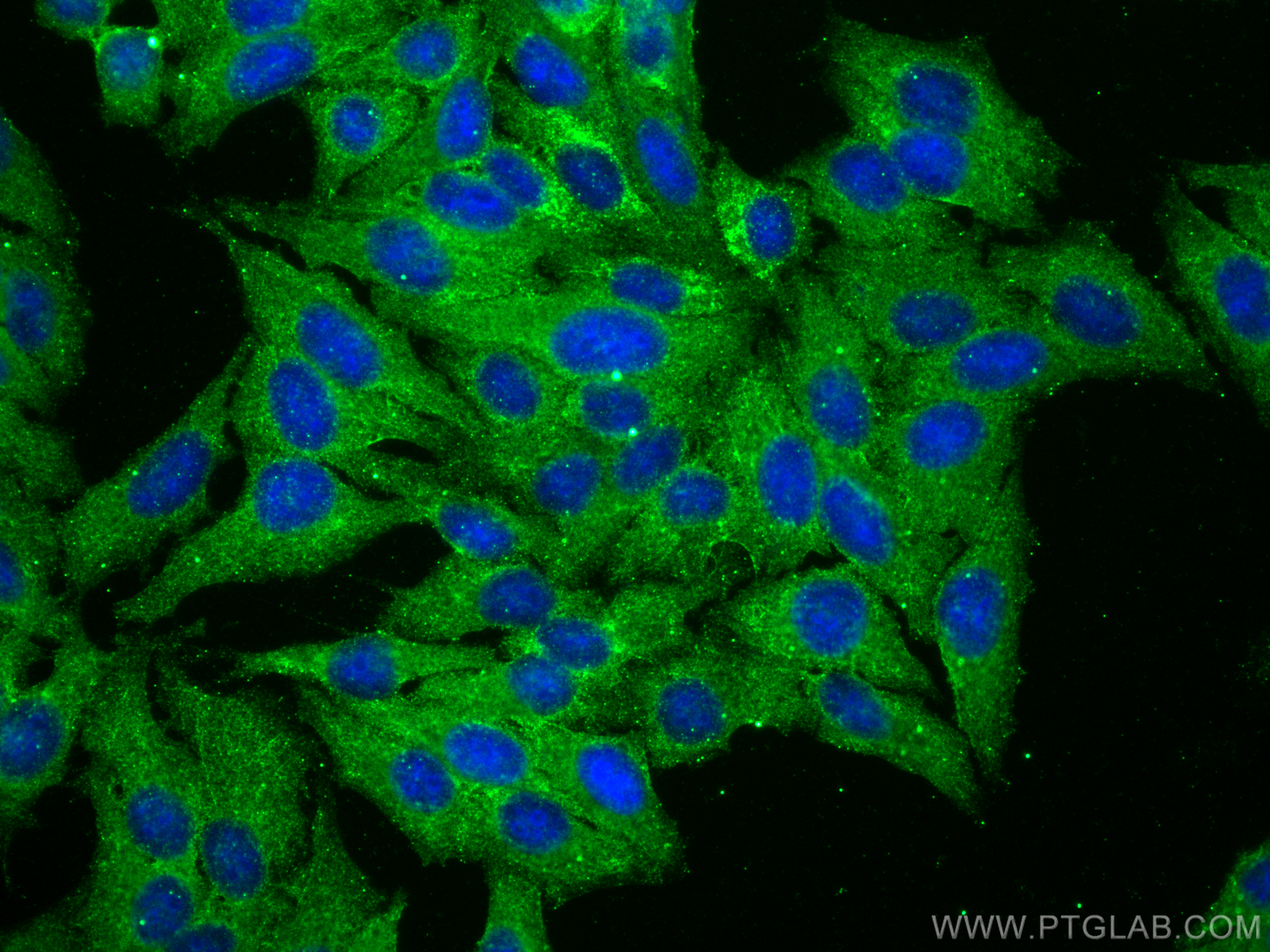
经过测试的应用
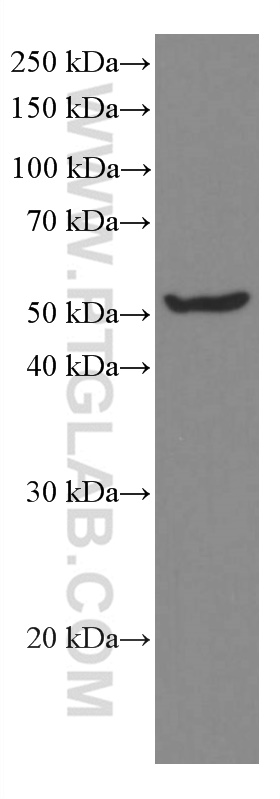
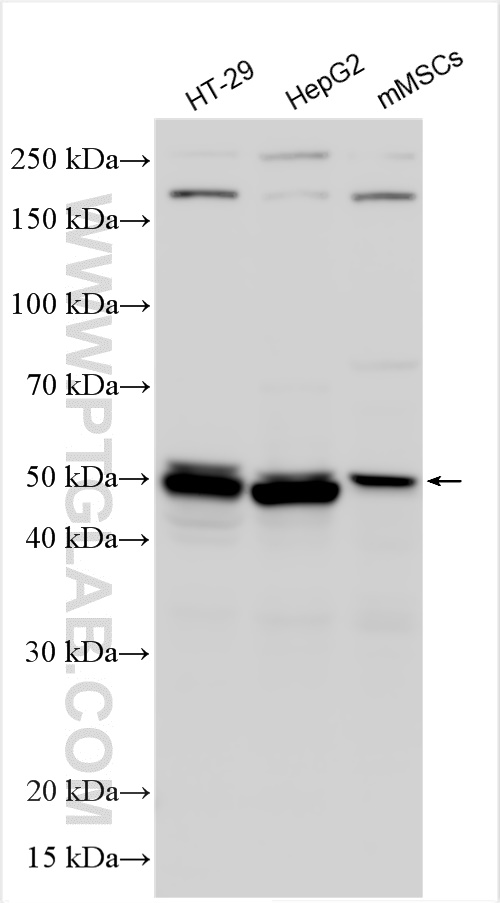
| Positive WB detected in | HT-29 cells, 4T1 cells, PC-3 cells, HeLa cells, HepG2 cells, NIH/3T3 cells, mMSCs cells |
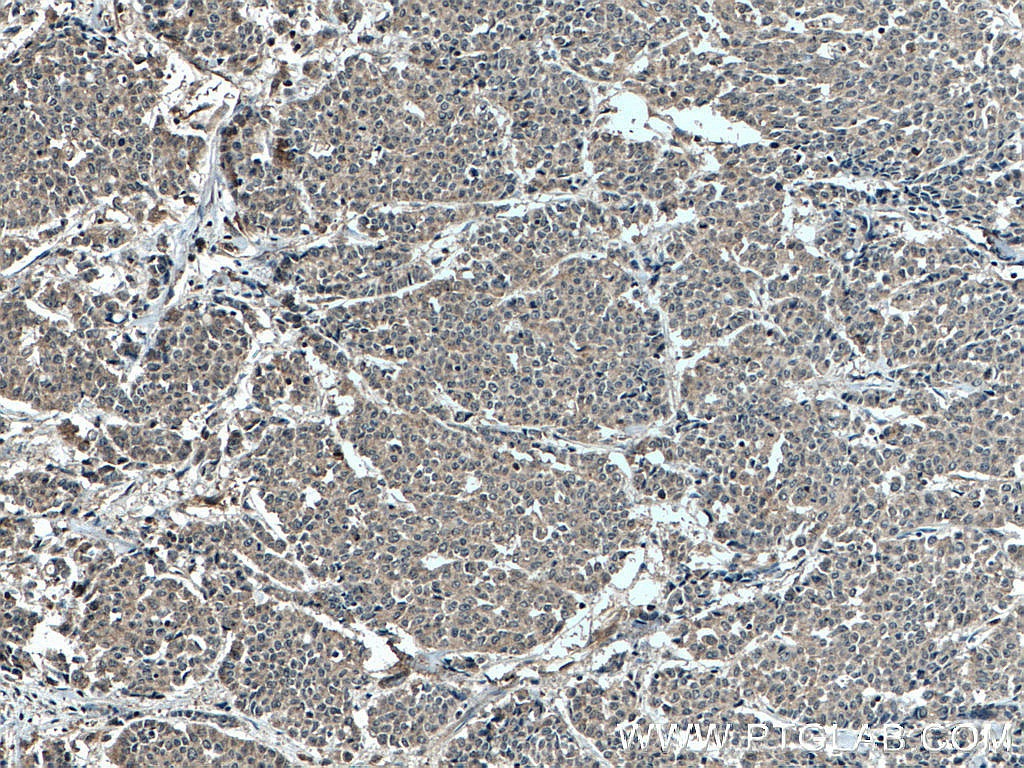
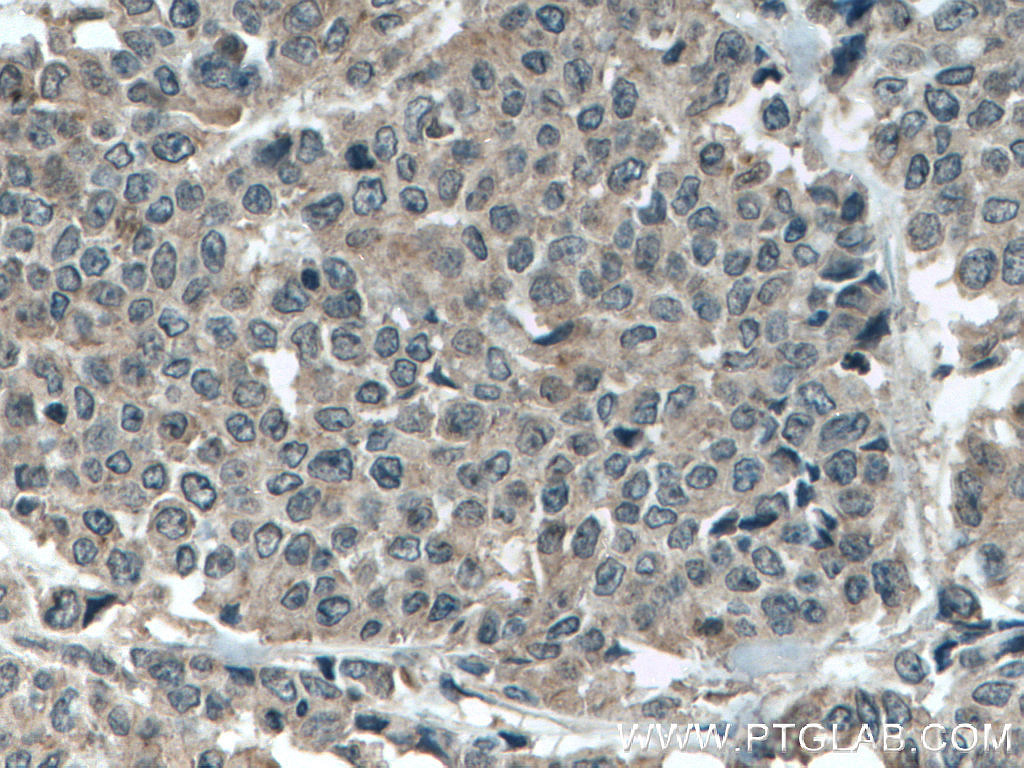
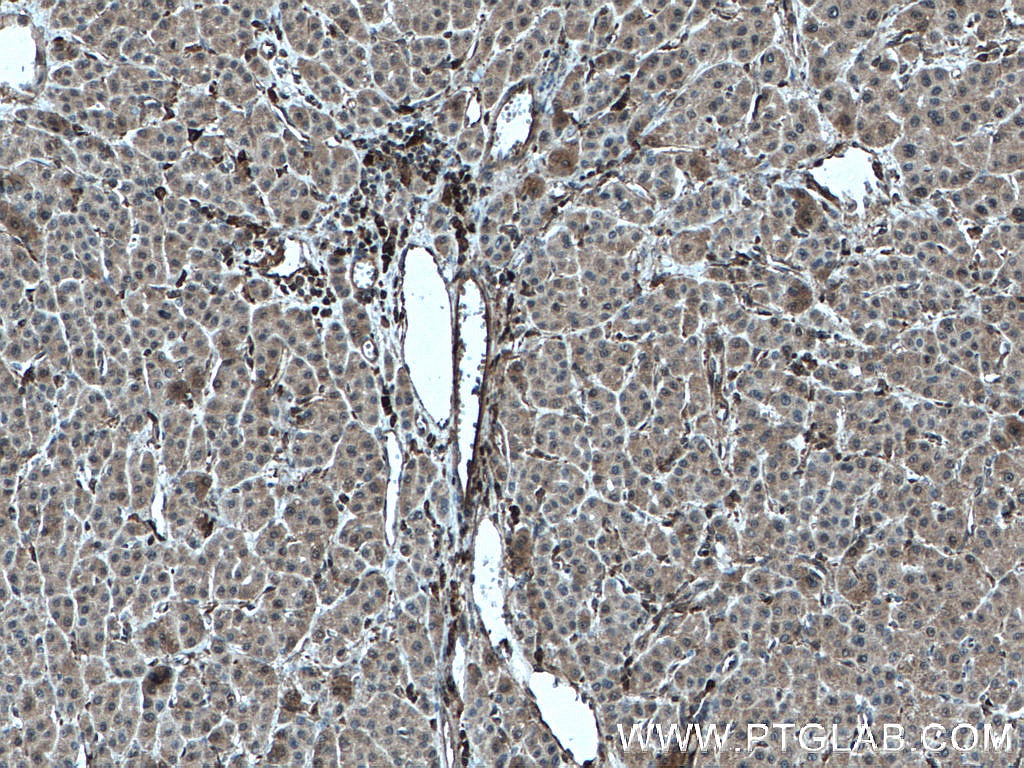
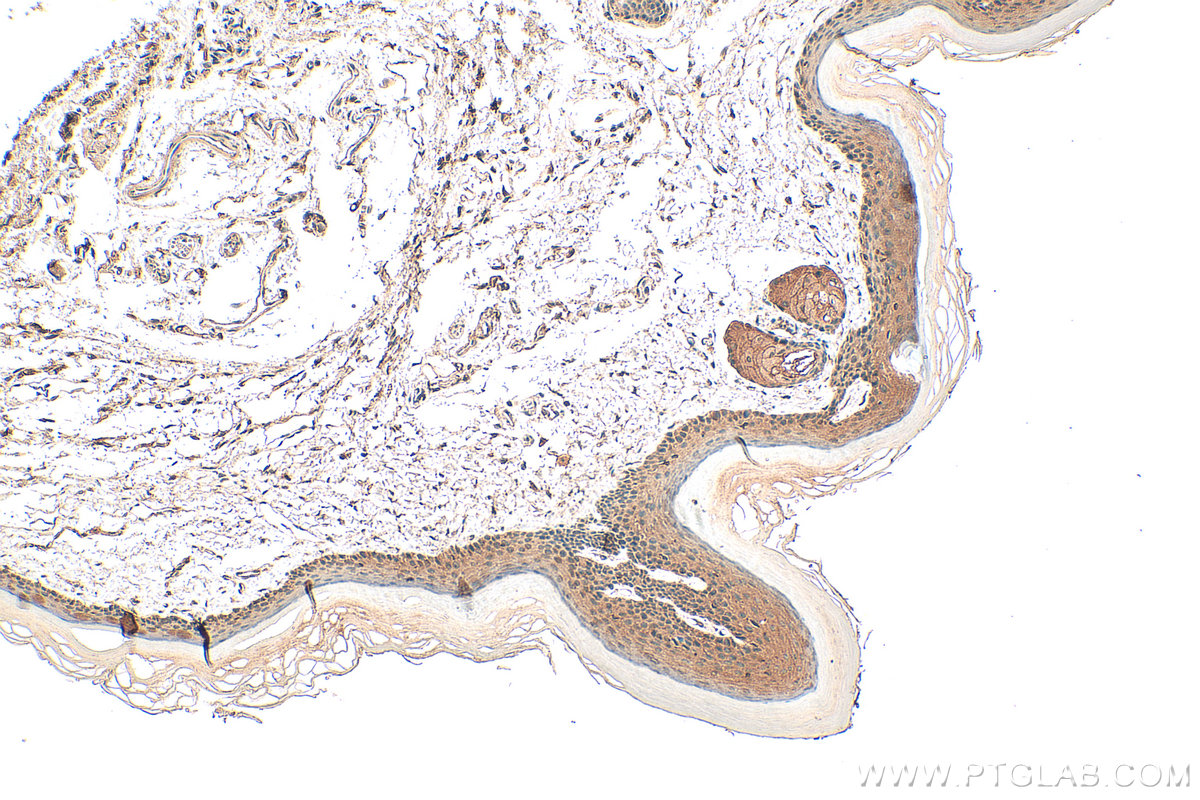
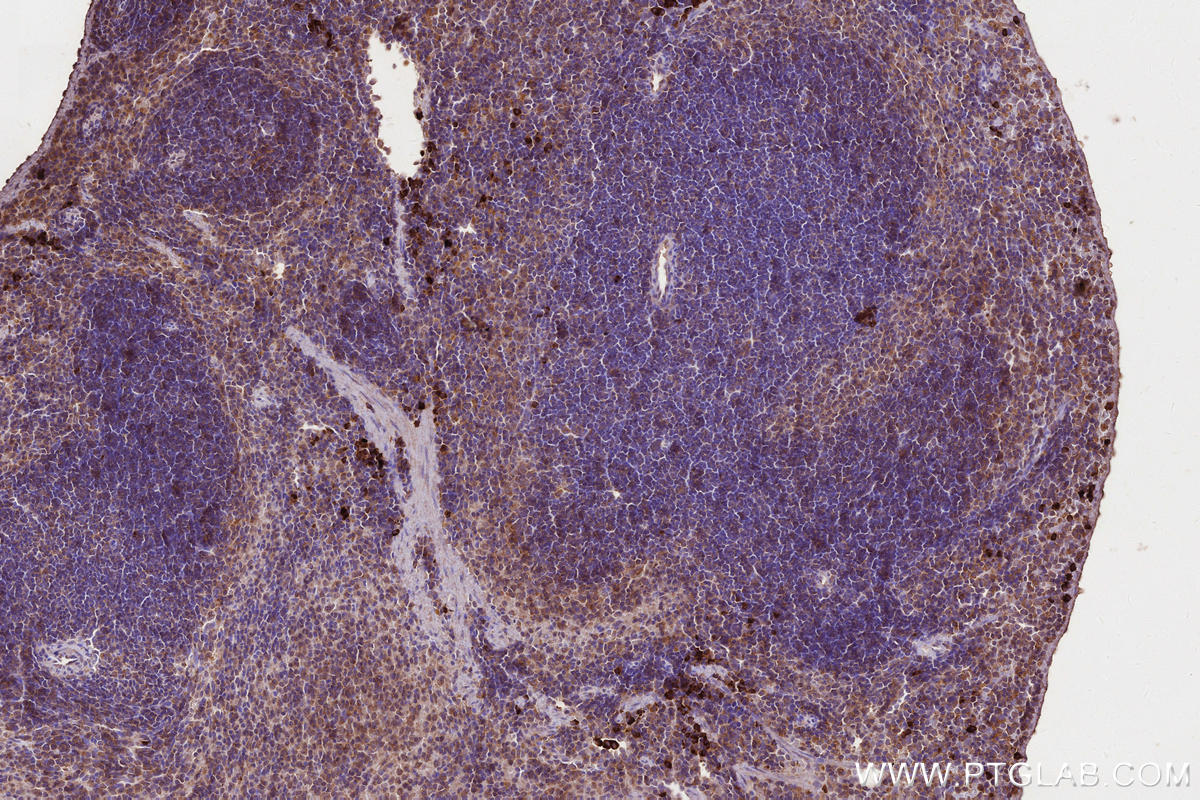
| Positive IHC detected in | human liver cancer tissue, mouse lung tissue, human rectal cancer tissue, human placenta tissue, rat lung tissue, rat salivary gland tissue, human colon cancer tissue, human liver cancer tissue, mouse skin tissue, mouse salivary gland tissue, mouse spleen tissue Note: suggested antigen retrieval with TE buffer pH 9.0; (*) Alternatively, antigen retrieval may be performed with citrate buffer pH 6.0 |
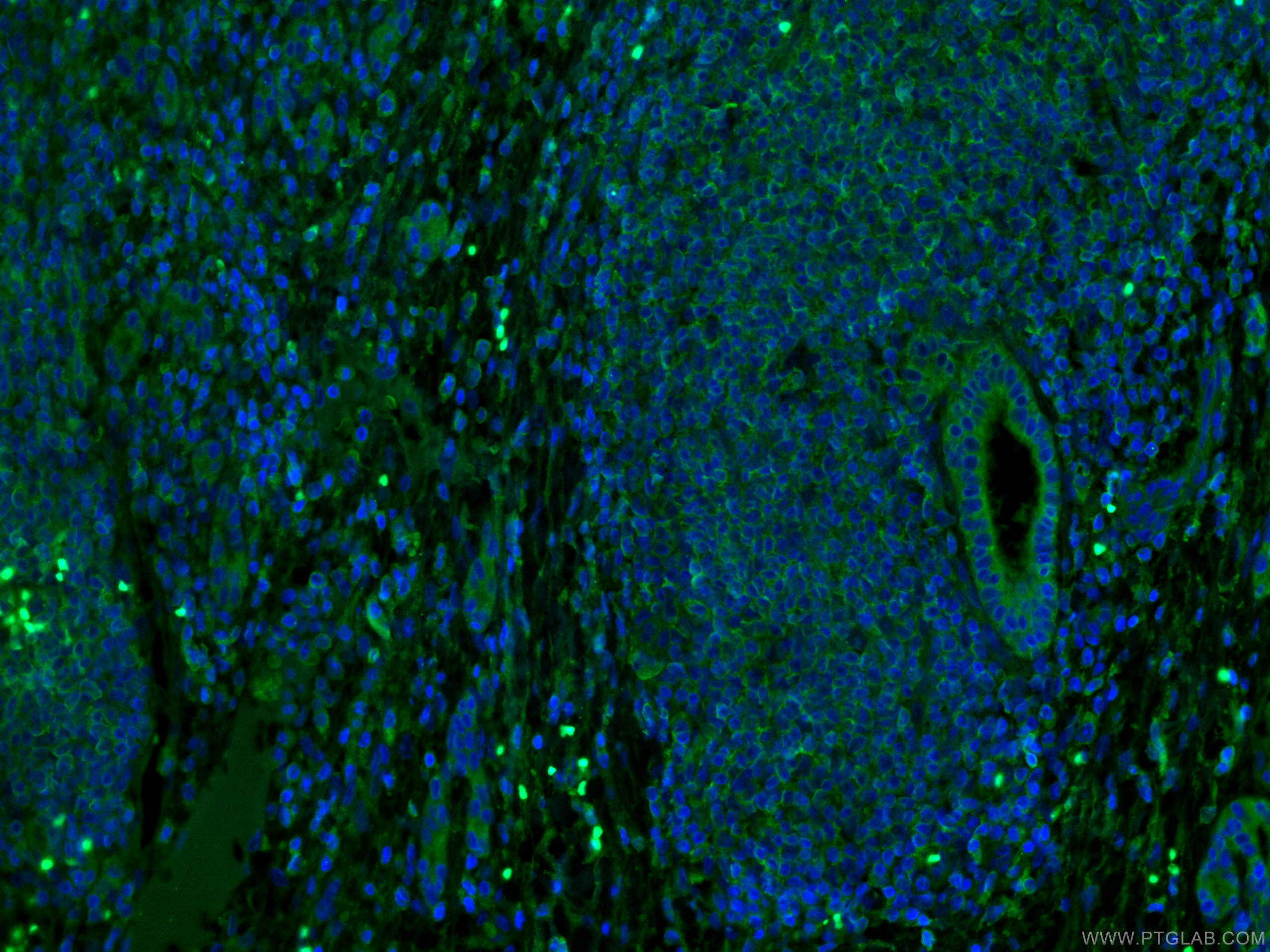
| Positive IF-P detected in | human liver cancer tissue |
| Positive IF/ICC detected in | HepG2 cells |
推荐稀释比
| 应用 | 推荐稀释比 |
|---|---|
| Western Blot (WB) | WB : 1:5000-1:50000 |
| Immunohistochemistry (IHC) | IHC : 1:500-1:2000 |
| Immunofluorescence (IF)-P | IF-P : 1:50-1:500 |
| Immunofluorescence (IF)/ICC | IF/ICC : 1:400-1:1600 |
| It is recommended that this reagent should be titrated in each testing system to obtain optimal results. | |
| Sample-dependent, Check data in validation data gallery. | |
产品信息
66675-1-Ig targets MLKL in WB, IHC, IF/ICC, IF-P, IP, CoIP, ELISA applications and shows reactivity with human, mouse samples.
| 经测试应用 | WB, IHC, IF/ICC, IF-P, ELISA Application Description |
| 文献引用应用 | WB, IHC, IF, IP, CoIP |
| 经测试反应性 | human, mouse |
| 文献引用反应性 | human, mouse, rat, pig, zebrafish, bovine |
| 免疫原 |
CatNo: Ag15188 Product name: Recombinant human MLKL protein Source: e coli.-derived, PGEX-4T Tag: GST Domain: 1-263 aa of BC028141 Sequence: MENLKHIITLGQVIHKRCEEMKYCKKQCRRLGHRVLGLIKPLEMLQDQGKRSVPSEKLTTAMNRFKAALEEANGEIEKFSNRSNICRFLTASQDKILFKDVNRKLSDVWKELSLLLQVEQRMPVSPISQGASWAQEDQQDADEDRRAFQMLRRDNEKIEASLRRLEINMKEIKETLRQSLESSSGKSPLEISRFKVKNVKTGSASGCNSEKIRKLVAVKRQQEPLGEDCPSELREIIDECRAHDPSVRPSVDEILKKLSTFSK 种属同源性预测 |
| 宿主/亚型 | Mouse / IgG1 |
| 抗体类别 | Monoclonal |
| 产品类型 | Antibody |
| 全称 | mixed lineage kinase domain-like |
| 别名 | 3D4C6, hMLKL, Mixed lineage kinase domain-like protein |
| 计算分子量 | 471 aa, 54 kDa |
| 观测分子量 | 35-40 kDa, 50-55 kDa |
| GenBank蛋白编号 | BC028141 |
| 基因名称 | MLKL |
| Gene ID (NCBI) | 197259 |
| RRID | AB_2882029 |
| 偶联类型 | Unconjugated |
| 形式 | Liquid |
| 纯化方式 | Protein G purification |
| UNIPROT ID | Q8NB16 |
| 储存缓冲液 | PBS with 0.02% sodium azide and 50% glycerol, pH 7.3. |
| 储存条件 | Store at -20°C. Stable for one year after shipment. Aliquoting is unnecessary for -20oC storage. |
背景介绍
Mixed lineage kinase domain like pseudokinase (MLKL), belongs to the protein kinase superfamily and has two MW of 54 and 30 kDa. MLKL plays a critical role in tumor necrosis factor (TNF)-induced necroptosis, a programmed cell death process, via interaction with receptor-interacting protein 3 (RIP3), which is a key signaling molecule in the necroptosis pathway. High levels of this protein and RIP3 are associated with inflammatory bowel disease in children. The 66675-1-Ig antibody recognizes 54 kDa MLKL monomer, 216 kDa MLKL tetramer, and a band around 45-50 kDa which are similar to papers published. (PMID: 31848291). MLKL can be detected as a 35kDa truncated isoform (PMID: 35965541).
实验方案
| Product Specific Protocols | |
|---|---|
| IF protocol for MLKL antibody 66675-1-Ig | Download protocol |
| IHC protocol for MLKL antibody 66675-1-Ig | Download protocol |
| WB protocol for MLKL antibody 66675-1-Ig | Download protocol |
| Standard Protocols | |
|---|---|
| Click here to view our Standard Protocols |
发表文章
| Species | Application | Title |
|---|---|---|
Signal Transduct Target Ther Inducible CD147 up-regulation boosts extended SARS-CoV-2 infection triggering severe COVID-19 independent of ACE2. | ||
Nat Cancer Apoptosis-induced nuclear expulsion in tumor cells drives S100a4-mediated metastatic outgrowth through the RAGE pathway | ||
Drug Resist Updat DEAF1 confers resistance to adriamycin-induced apoptosis and pyroptosis in multiple myeloma. | ||
Nat Neurosci Tau aggregates cause reactivation of transposable DNA elements, leading to Z-RNA-ZBP1-mediated neuronal death | ||
Nat Microbiol Severe fever with thrombocytopenia syndrome virus infection of the male reproductive tract induces pathology and inflammation. | ||
Autophagy Kitasamycin overcomes ferroptosis and immunotherapy resistance by targeting the HUWE1-NCOA4-FTH1 axis. |