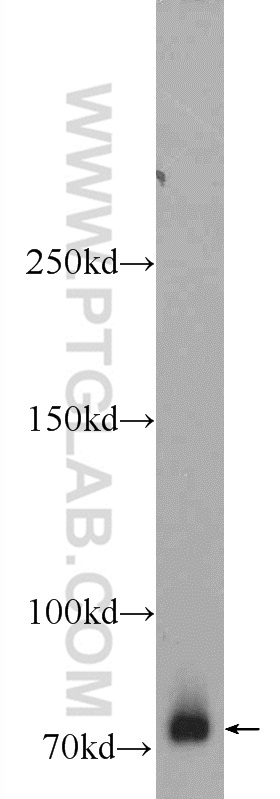
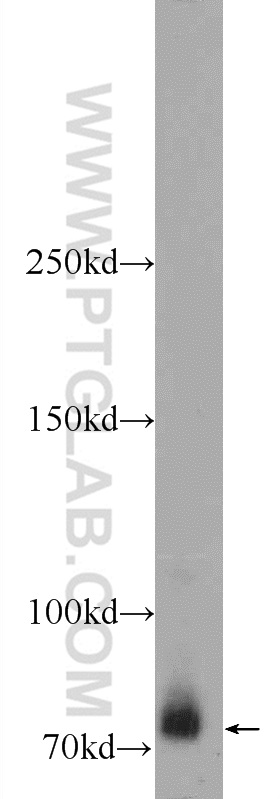
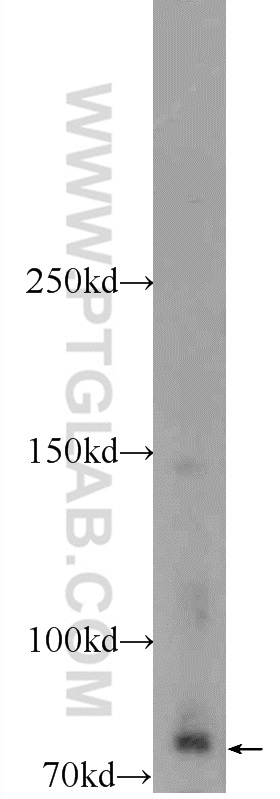
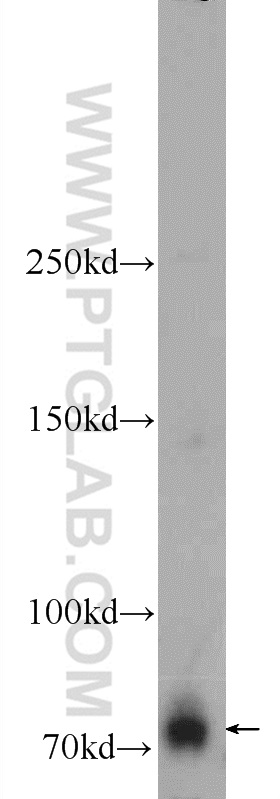
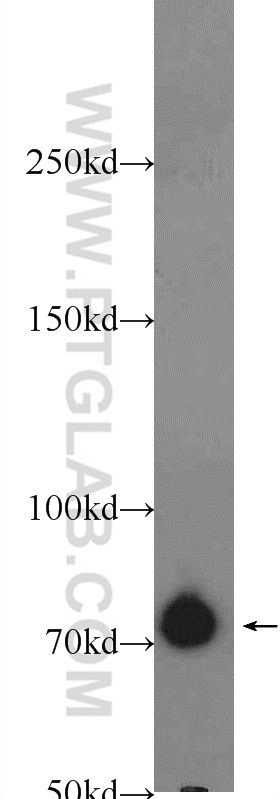
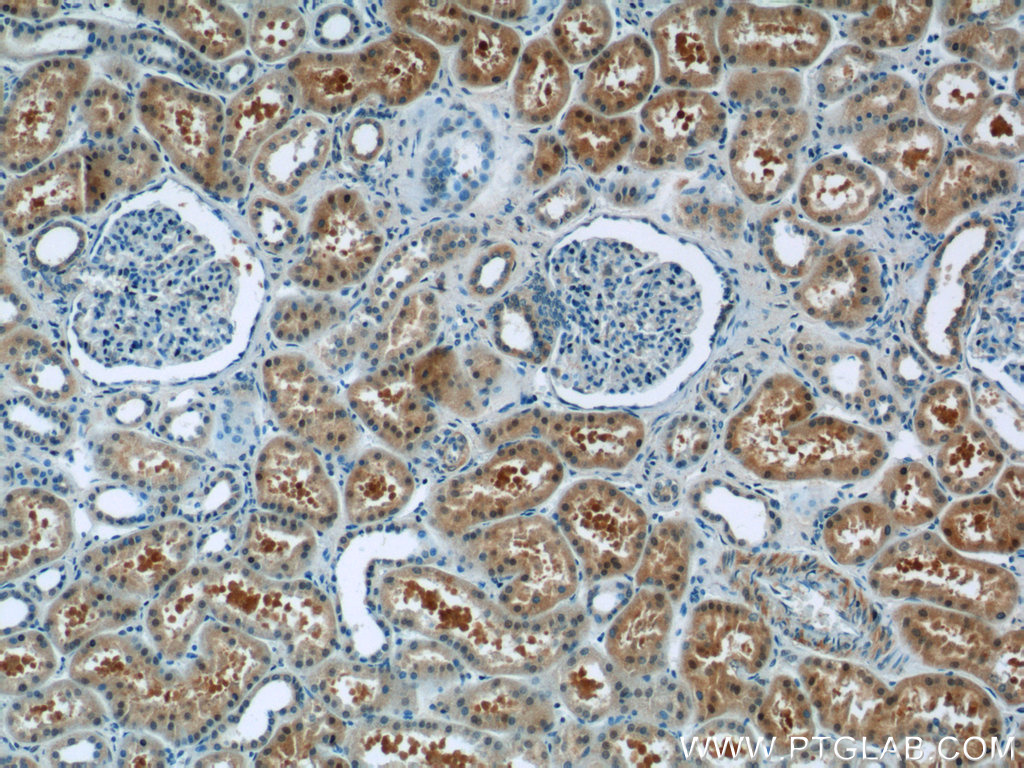
验证数据展示
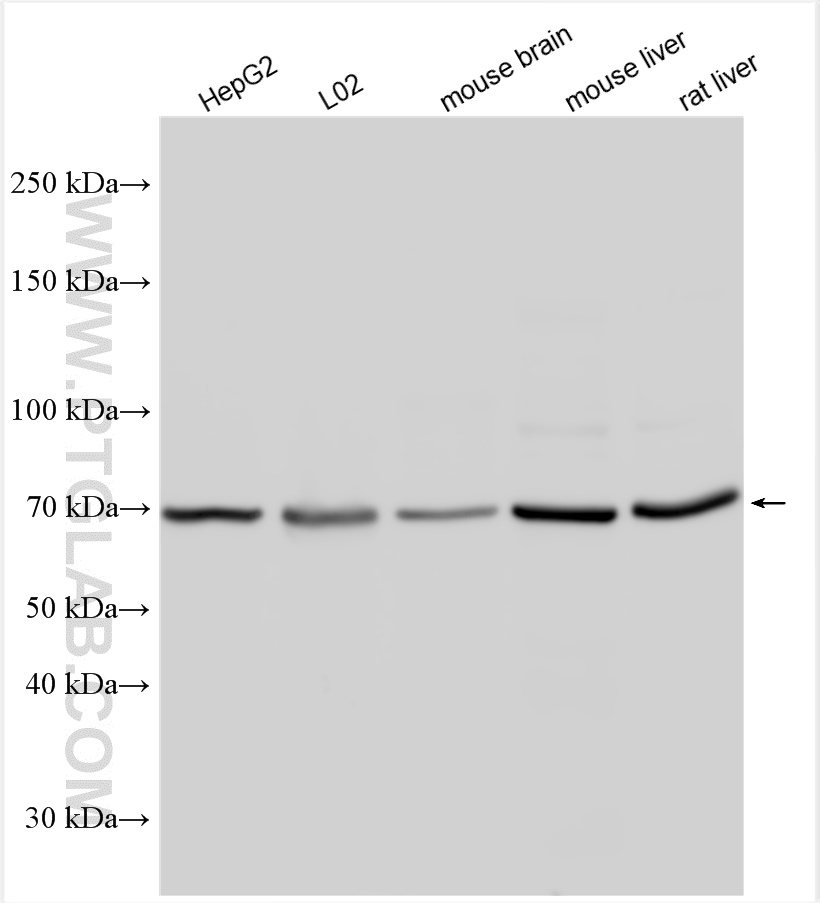
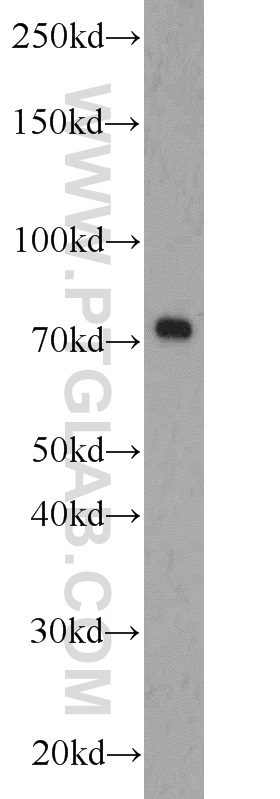
产品信息
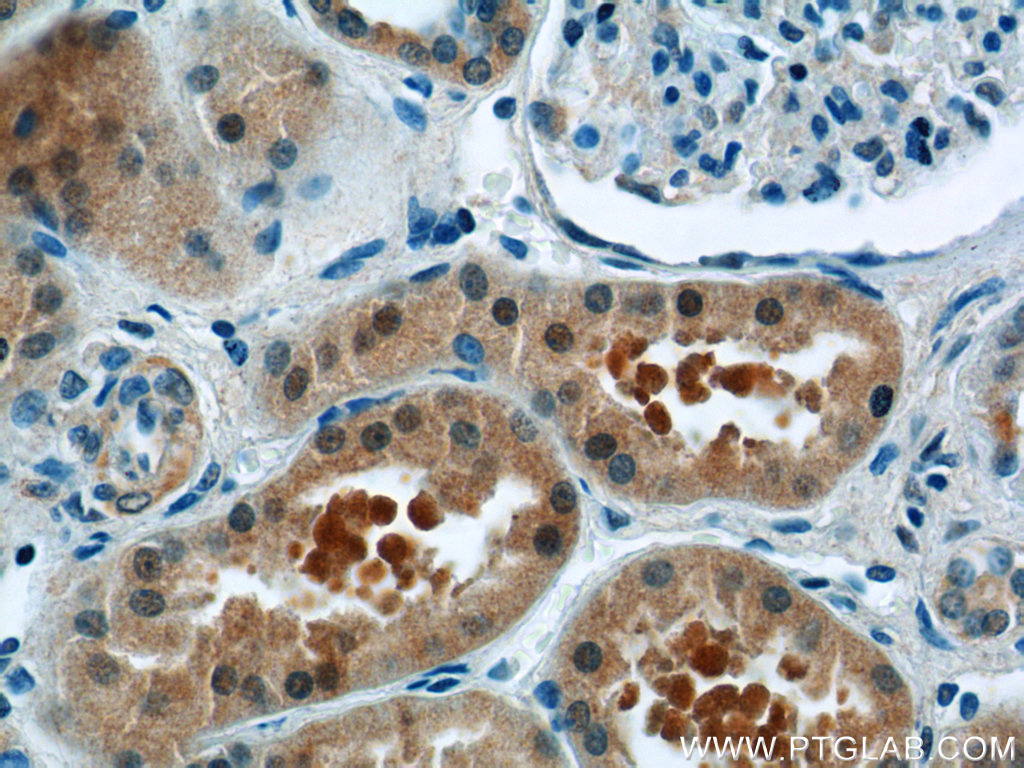
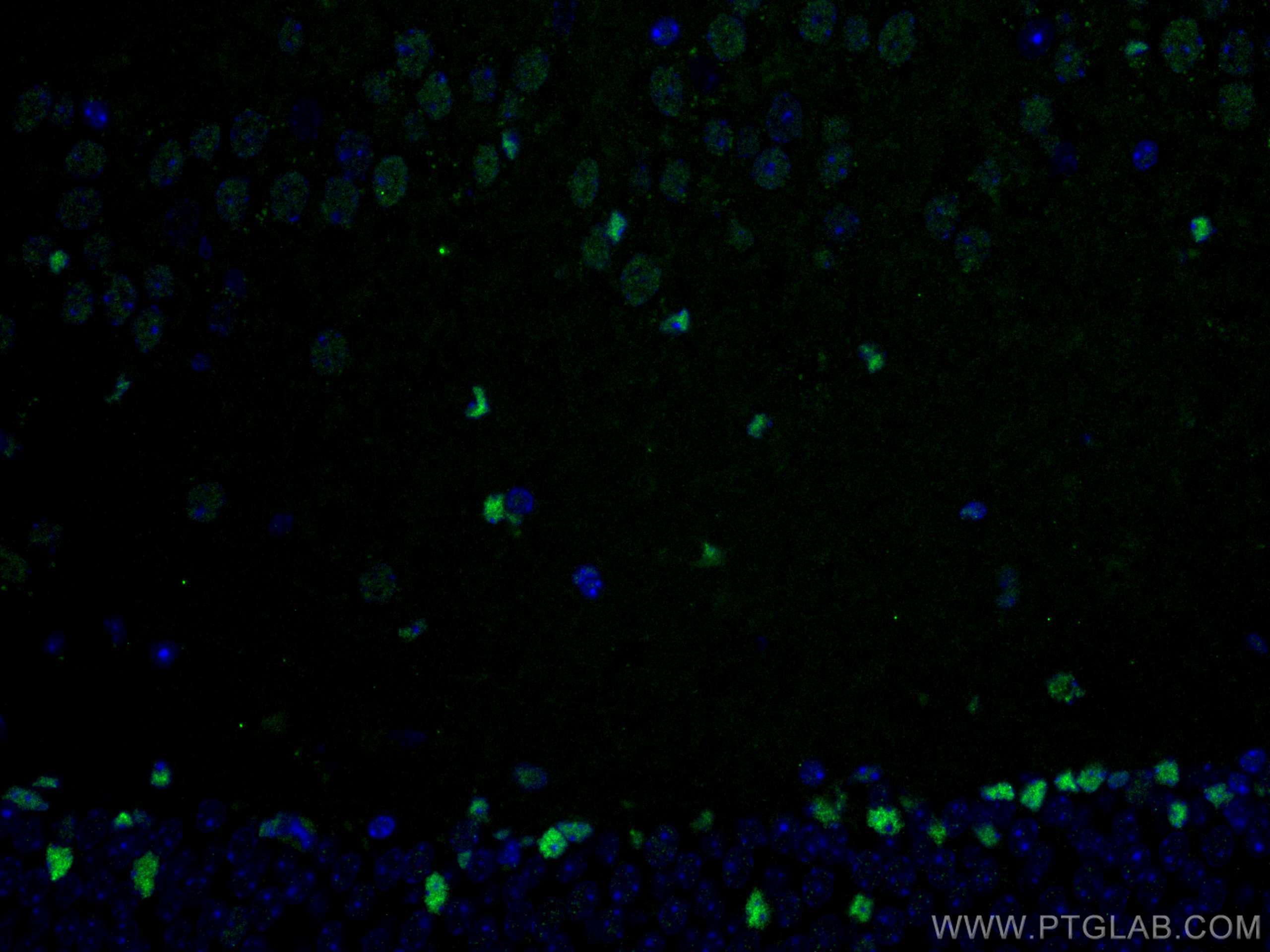
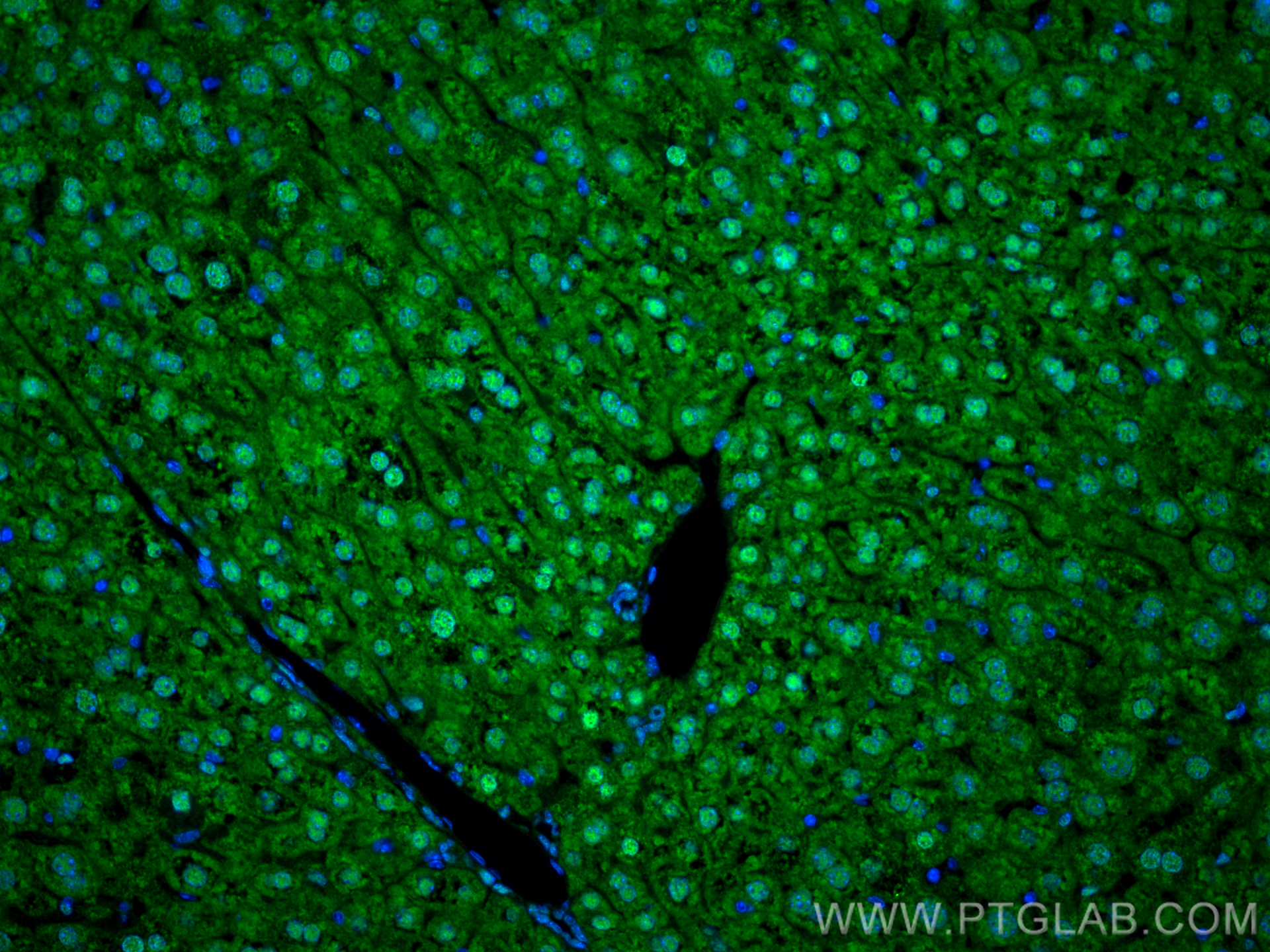
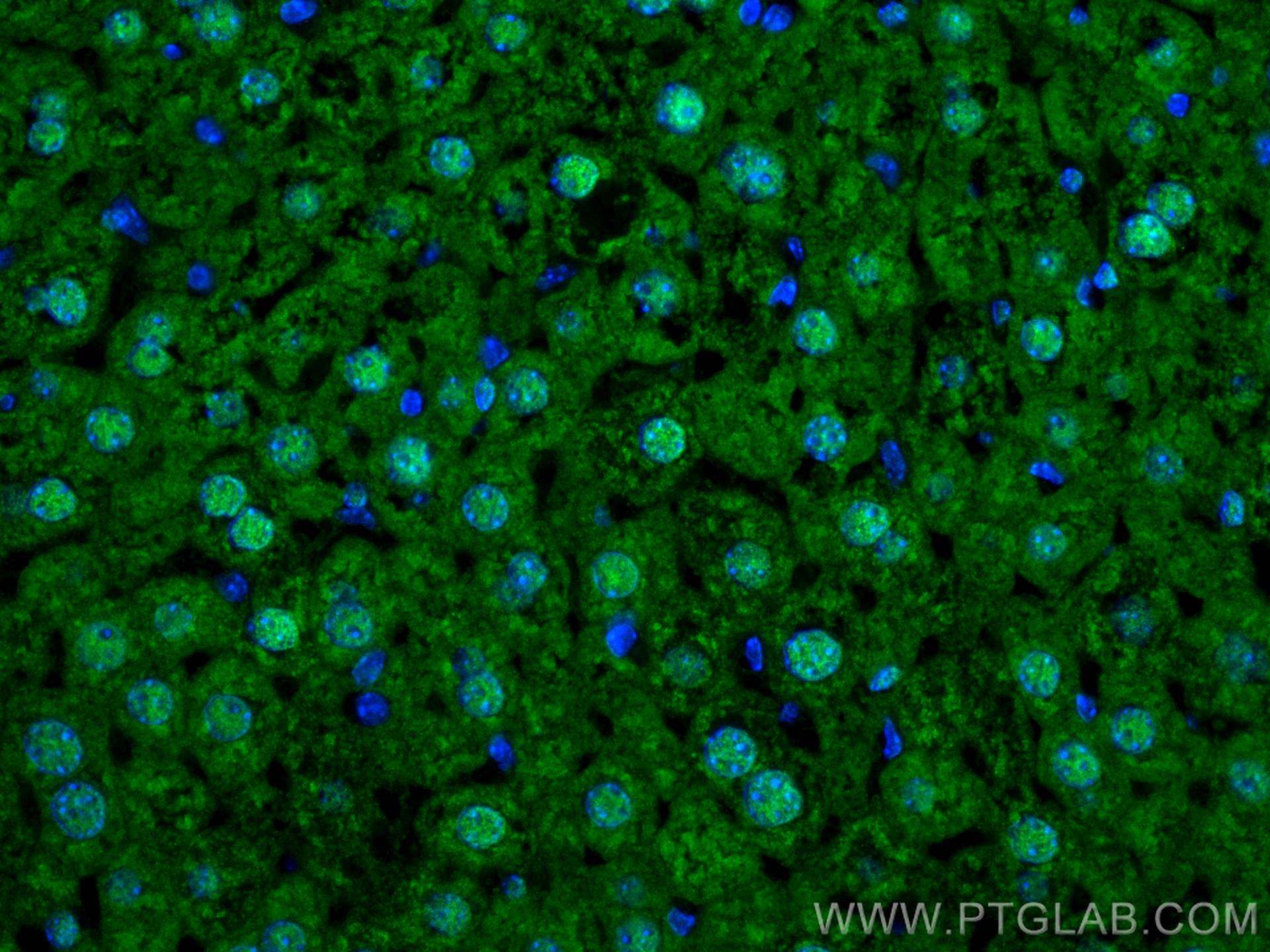
23987-1-PBS targets ZBTB20 in WB, IHC, IF-P, Indirect ELISA applications and shows reactivity with human, mouse, rat samples.
| 经测试应用 | WB, IHC, IF-P, Indirect ELISA Application Description |
| 经测试反应性 | human, mouse, rat |
| 免疫原 |
CatNo: Ag21140 Product name: Recombinant human ZBTB20 protein Source: e coli.-derived, PET30a Tag: 6*His Domain: 313-668 aa of BC029041 Sequence: EPDSVEQQFGPGAARDSQAEPTQPEQAAEAPAEGGPQTNQLETGASSPERSNEVEMDSTVITVSNSSDKSVLQQPSVNTSIGQPLPSTQLYLRQTETLTSNLRMPLTLTSNTQVIGTAGNTYLPALFTTQPAGSGPKPFLFSLPQPLAGQQTQFVTVFQPGLSTFTAQLPAPQPLASSAGHSTASGQGEKKPYECTLCNKTFTAKQNYVKHMFVHTGEKPHQCSICWRSFSLKDYLIKHMVTHTGVRAYQCSICNKRFTQKSSLNVHMRLHRGEKSYECYICKKKFSHKTLLERHVALHSASNGTPPAGTPPGARAGPPGVVACTEGTTYVCSVCPAKFDQIEQFNDHMRMHVSDG 种属同源性预测 |
| 宿主/亚型 | Rabbit / IgG |
| 抗体类别 | Polyclonal |
| 产品类型 | Antibody |
| 全称 | zinc finger and BTB domain containing 20 |
| 别名 | Dendritic-derived BTB/POZ zinc finger protein, DPZF, Zinc finger and BTB domain-containing protein 20, Zinc finger protein 288, ZNF288 |
| 计算分子量 | 668 aa, 73 kDa |
| 观测分子量 | 73 kDa |
| GenBank蛋白编号 | BC029041 |
| 基因名称 | ZBTB20 |
| Gene ID (NCBI) | 26137 |
| RRID | AB_2879389 |
| 偶联类型 | Unconjugated |
| 形式 | Liquid |
| 纯化方式 | Antigen Affinity purified |
| UNIPROT ID | Q9HC78 |
| 储存缓冲液 | PBS only, pH 7.3. |
| 储存条件 | Store at -80°C. The product is shipped with ice packs. Upon receipt, store it immediately at -80°C |
背景介绍
Zinc-finger proteins contain DNA-binding domains and have a wide variety of functions, most of which encompass some form of transcriptional activation or repression. ZBTB20 (zinc finger and BTB domain containing 20), also known as HOF, DPZF, ODA-8S or ZNF288, is a 741 amino acid protein that localizes to the nucleus and contains one BTB (POZ) domain and five C2H2-type zinc fingers. Expressed in thymus, spleen, lymph node and fetal liver, ZBTB20 exists as either a monomer or a homodimer that is thought to function as a transcription factor, playing a role in hematopoiesis, oncogenesis and immune responses. Multiple isoforms of ZBTB20 exist due to alternative splicing events.