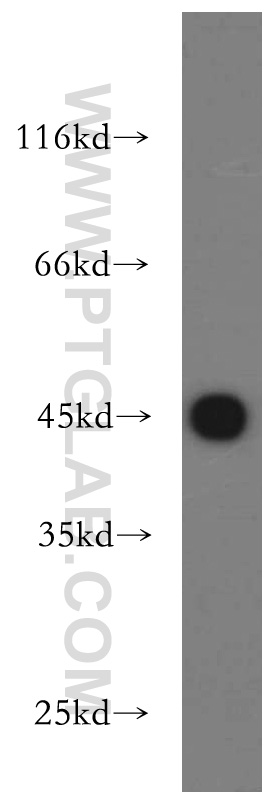
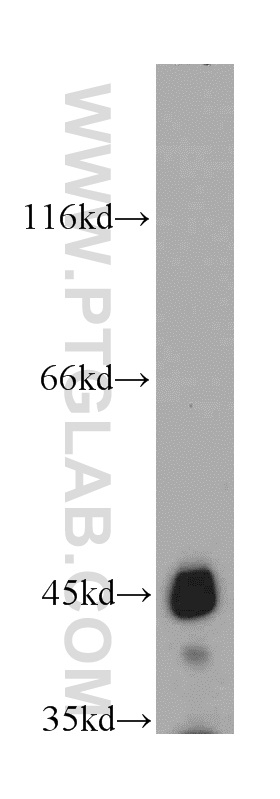
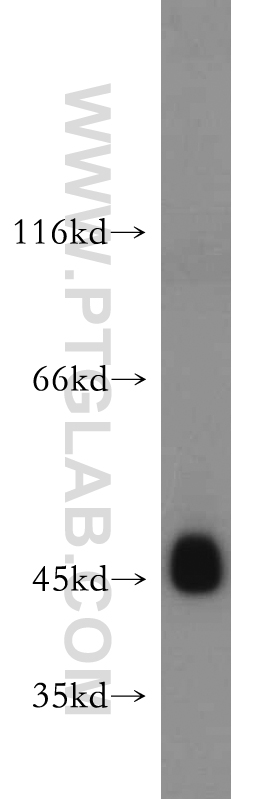
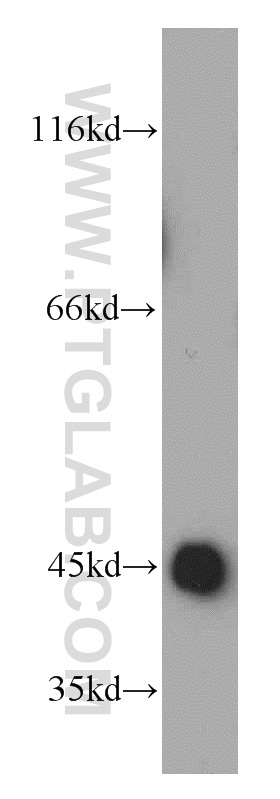
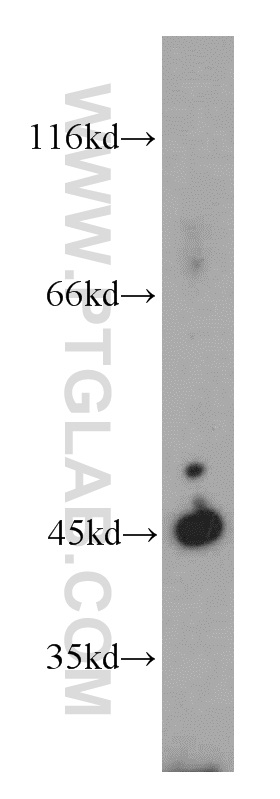
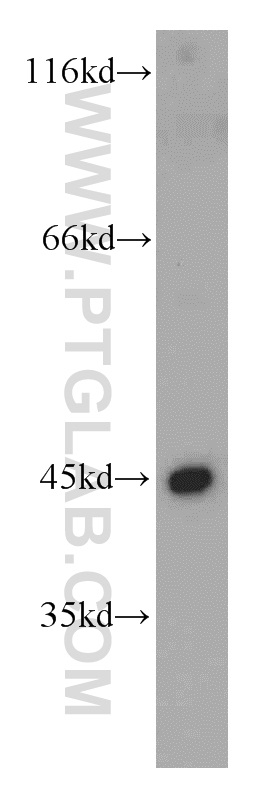
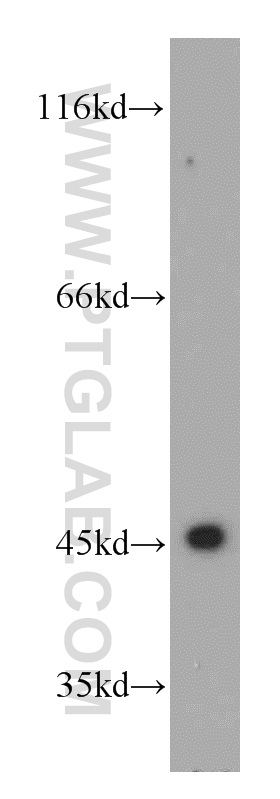
验证数据展示
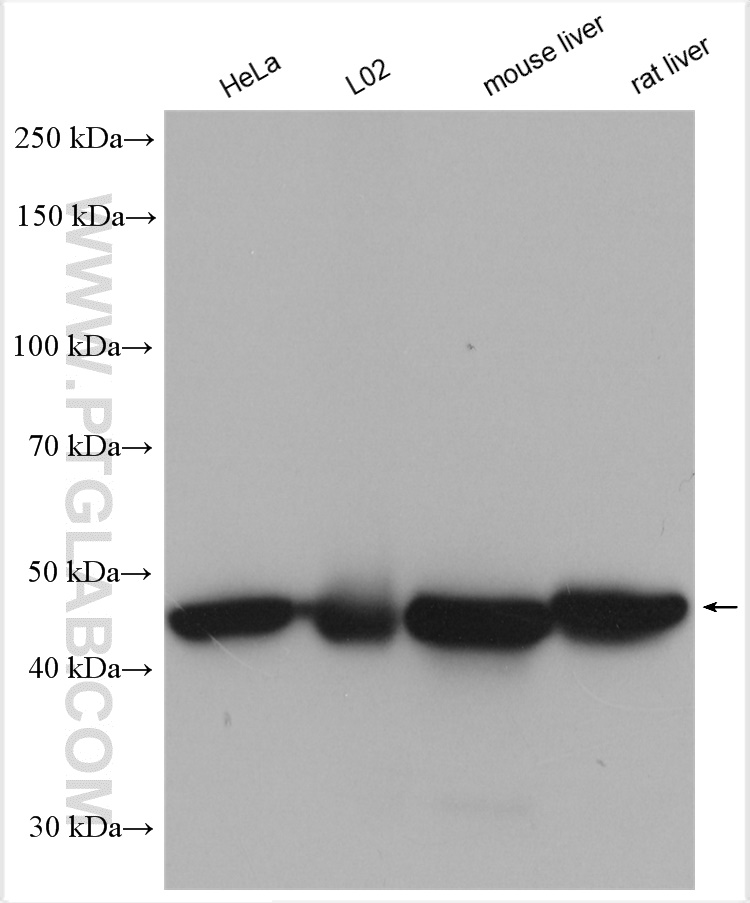
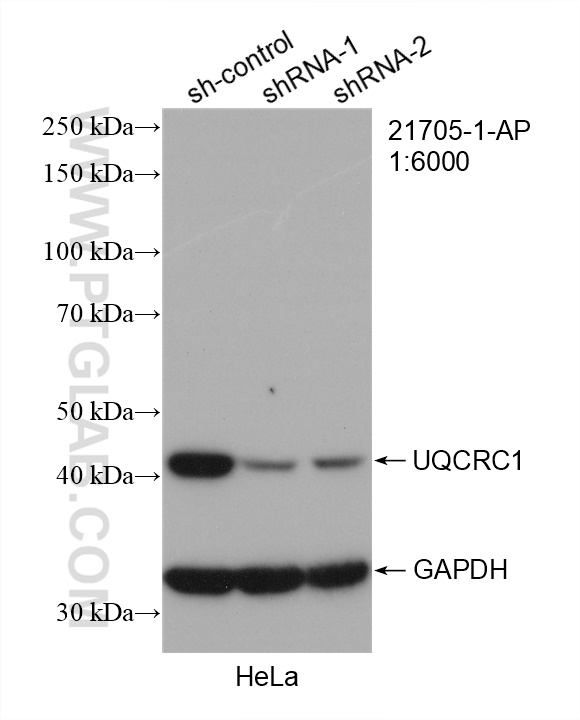
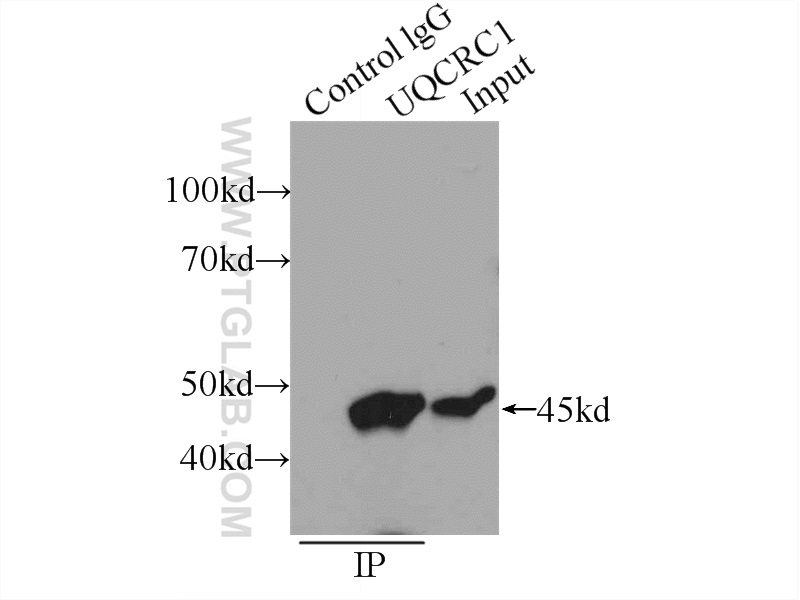
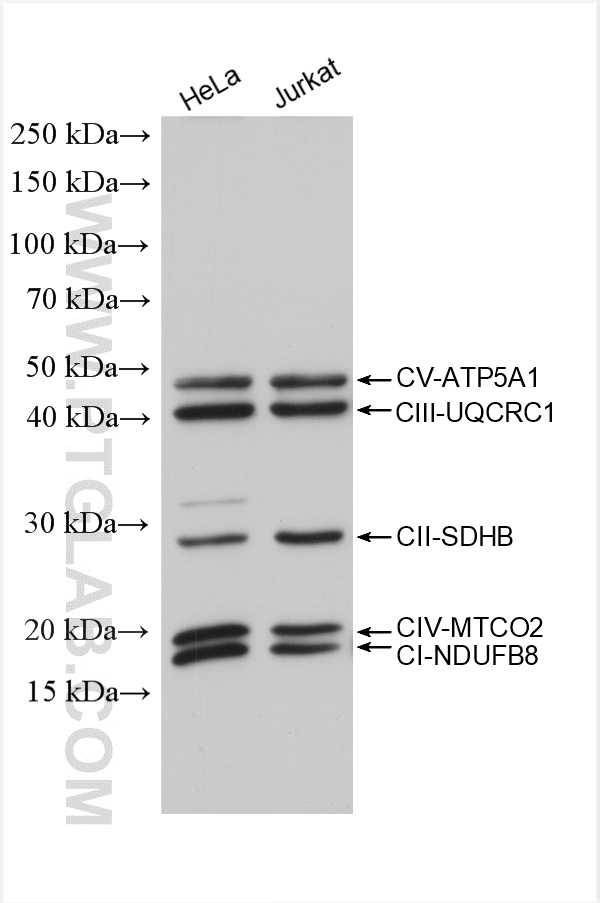
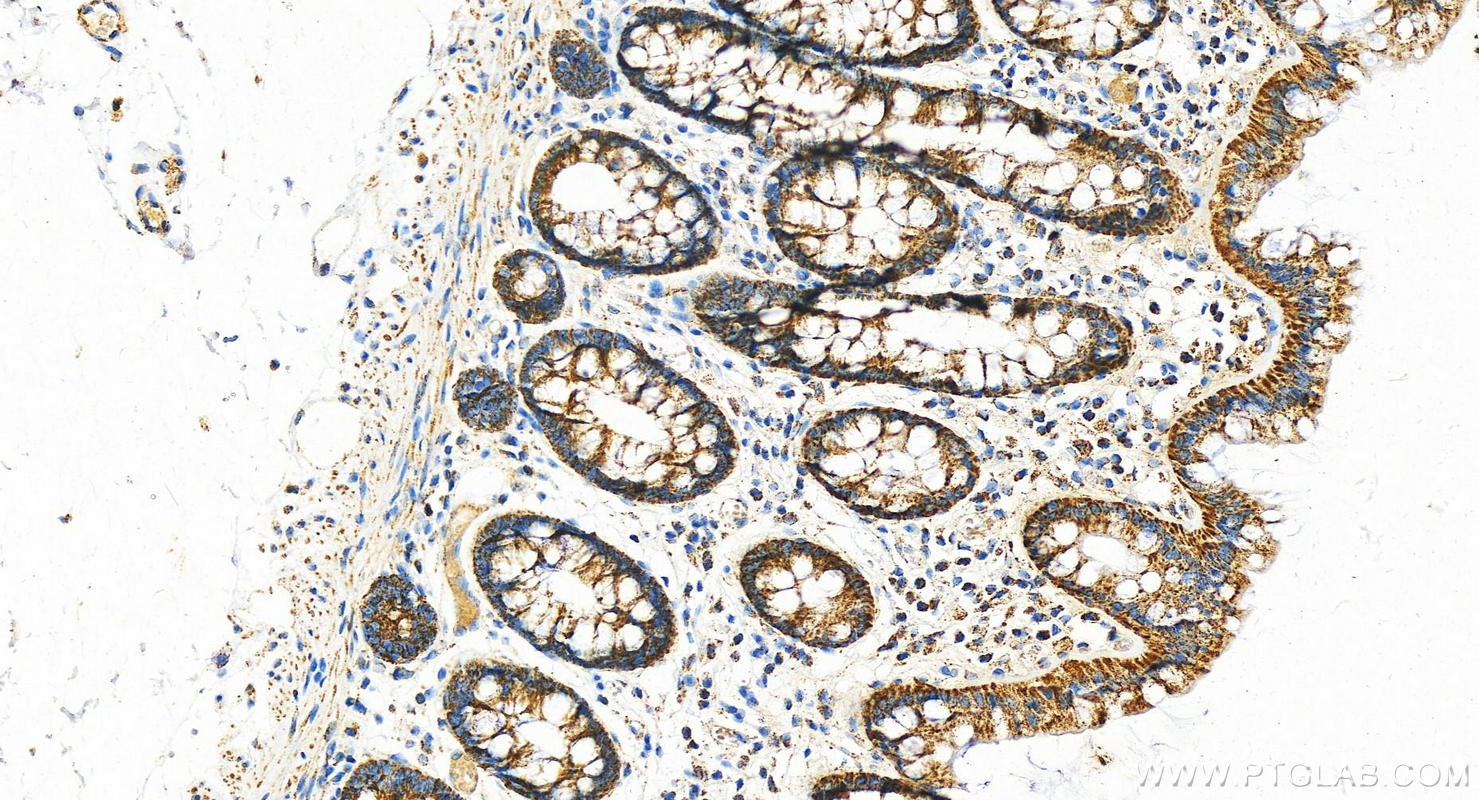
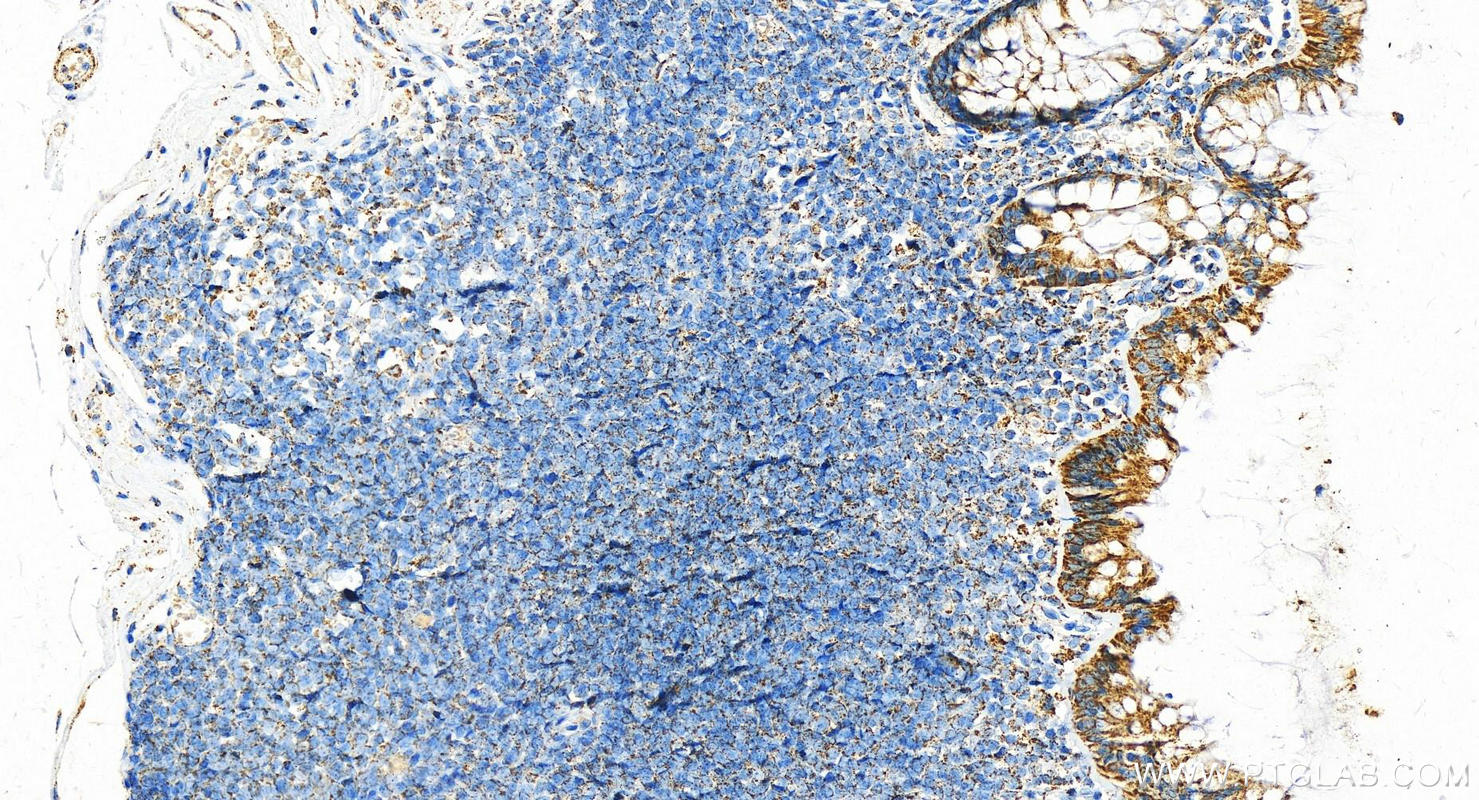
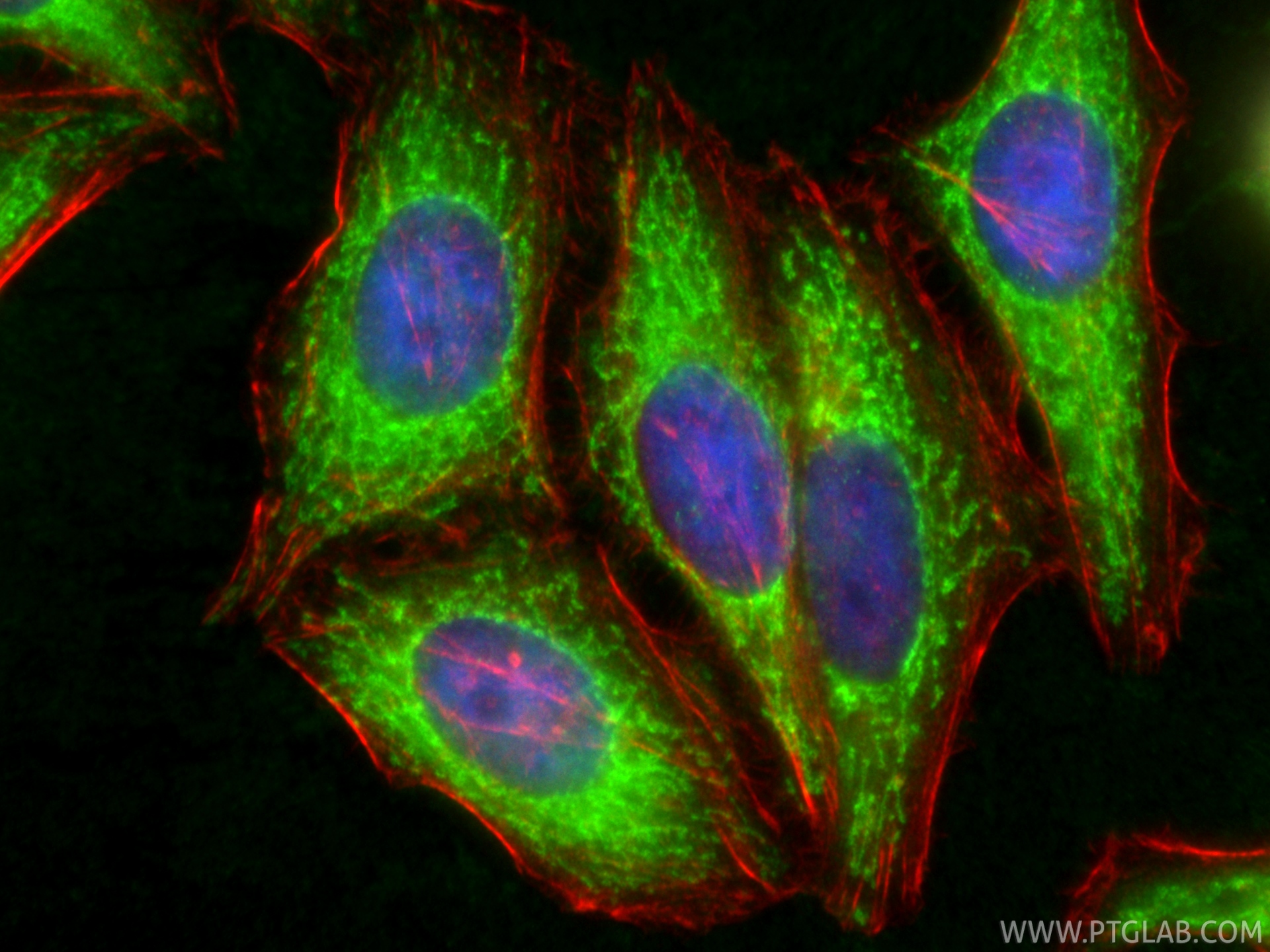
经过测试的应用
| Positive WB detected in | HeLa cells, human brain tissue, human skeletal muscle tissue, mouse skeletal muscle tissue, human heart tissue, mouse large intestine tissue, mouse kidney tissue, mouse spleen tissue, L02 cells, mouse liver tissue, rat liver tissue, Jurkat cells |
| Positive IP detected in | HeLa cells |
| Positive IHC detected in | human normal colon, human colon tissue Note: suggested antigen retrieval with TE buffer pH 9.0; (*) Alternatively, antigen retrieval may be performed with citrate buffer pH 6.0 |
| Positive IF/ICC detected in | HepG2 cells |
推荐稀释比
| 应用 | 推荐稀释比 |
|---|---|
| Western Blot (WB) | WB : 1:1000-1:8000 |
| Immunoprecipitation (IP) | IP : 0.5-4.0 ug for 1.0-3.0 mg of total protein lysate |
| Immunohistochemistry (IHC) | IHC : 1:100-1:1000 |
| Immunofluorescence (IF)/ICC | IF/ICC : 1:200-1:800 |
| It is recommended that this reagent should be titrated in each testing system to obtain optimal results. | |
| Sample-dependent, Check data in validation data gallery. | |
产品信息
21705-1-AP targets UQCRC1 in WB, IHC, IF/ICC, IP, ELISA applications and shows reactivity with human, mouse, rat samples.
| 经测试应用 | WB, IHC, IF/ICC, IP, ELISA Application Description |
| 文献引用应用 | WB, IHC, IF, IP |
| 经测试反应性 | human, mouse, rat |
| 文献引用反应性 | human, mouse, rat |
| 免疫原 |
CatNo: Ag16322 Product name: Recombinant human UQCRC1 protein Source: e coli.-derived, PGEX-4T Tag: GST Domain: 159-480 aa of BC009586 Sequence: SQIEKERDVILREMQENDASMRDVVFNYLHATAFQGTPLAQAVEGPSENVRKLSRADLTEYLSTHYKAPRMVLAAAGGVEHQQLLDLAQKHLGGIPWTYAEDAVPTLTPCRFTGSEIRHRDDALPFAHVAIAVEGPGWASPDNVALQVANAIIGHYDCTYGGGVHLSSPLASGAVANKLCQSFQTFSICYAETGLLGAHFVCDRMKIDDMMFVLQGQWMRLCTSATESEVARGKNILRNALVSHLDGTTPVCEDIGRSLLTYGRRIPLAEWESRIAEVDASVVREICSKYIYDQCPAVAGYGPIEQLPDYNRIRSGMFWLRF 种属同源性预测 |
| 宿主/亚型 | Rabbit / IgG |
| 抗体类别 | Polyclonal |
| 产品类型 | Antibody |
| 全称 | ubiquinol-cytochrome c reductase core protein I |
| 别名 | Complex III subunit 1, Core protein I, Cytochrome b-c1 complex subunit 1, mitochondrial, D3S3191, QCR1 |
| 计算分子量 | 480 aa, 53 kDa |
| 观测分子量 | 45 kDa |
| GenBank蛋白编号 | BC009586 |
| 基因名称 | UQCRC1 |
| Gene ID (NCBI) | 7384 |
| RRID | AB_10734437 |
| 偶联类型 | Unconjugated |
| 形式 | Liquid |
| 纯化方式 | Antigen affinity purification |
| UNIPROT ID | P31930 |
| 储存缓冲液 | PBS with 0.02% sodium azide and 50% glycerol, pH 7.3. |
| 储存条件 | Store at -20°C. Stable for one year after shipment. Aliquoting is unnecessary for -20oC storage. |
背景介绍
UQCRC1(Cytochrome b-c1 complex subunit 1, mitochondrial), also named as QCR1 and UQCR1, is a ubunit of the cytochrome bc1 complex (complex III) of the mitochondrial respiratory chain, may mediate the formation of the complex between cytochromes c and c1. The gene encodes a 53 kDa protein with a 34 amino acids transit peptide. It is associated with apoptosis or inhibition of cancer cell growth.
实验方案
| Product Specific Protocols | |
|---|---|
| IF protocol for UQCRC1 antibody 21705-1-AP | Download protocol |
| IHC protocol for UQCRC1 antibody 21705-1-AP | Download protocol |
| IP protocol for UQCRC1 antibody 21705-1-AP | Download protocol |
| WB protocol for UQCRC1 antibody 21705-1-AP | Download protocol |
| Standard Protocols | |
|---|---|
| Click here to view our Standard Protocols |
发表文章
| Species | Application | Title |
|---|---|---|
Signal Transduct Target Ther Protein C receptor maintains cancer stem cell properties via activating lipid synthesis in nasopharyngeal carcinoma. | ||
Signal Transduct Target Ther Albumosomes formed by cytoplasmic pre-folding albumin maintain mitochondrial homeostasis and inhibit nonalcoholic fatty liver disease | ||
Sci Bull (Beijing) Targeted clearance of mitochondria by an autophagy-tethering compound (ATTEC) and its potential therapeutic effects | ||
Bone Res Organelle-tuning condition robustly fabricates energetic mitochondria for cartilage regeneration | ||
Nat Commun CAV2-expressing nerves induce metabolic switch toward mitochondrial oxidative phosphorylation to promote cancer stemness. | ||
Nat Commun Targeting tRNA-dependent tyrosine usage unveils a metabolic vulnerability in hepatocellular carcinoma. |