验证数据展示
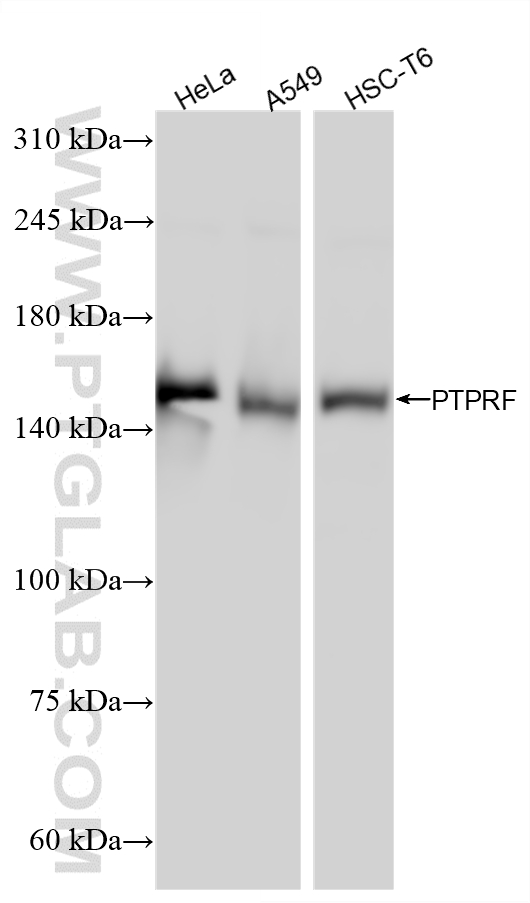
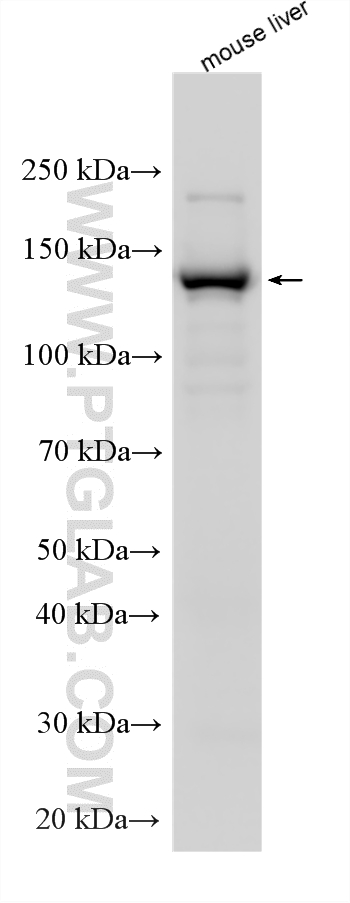
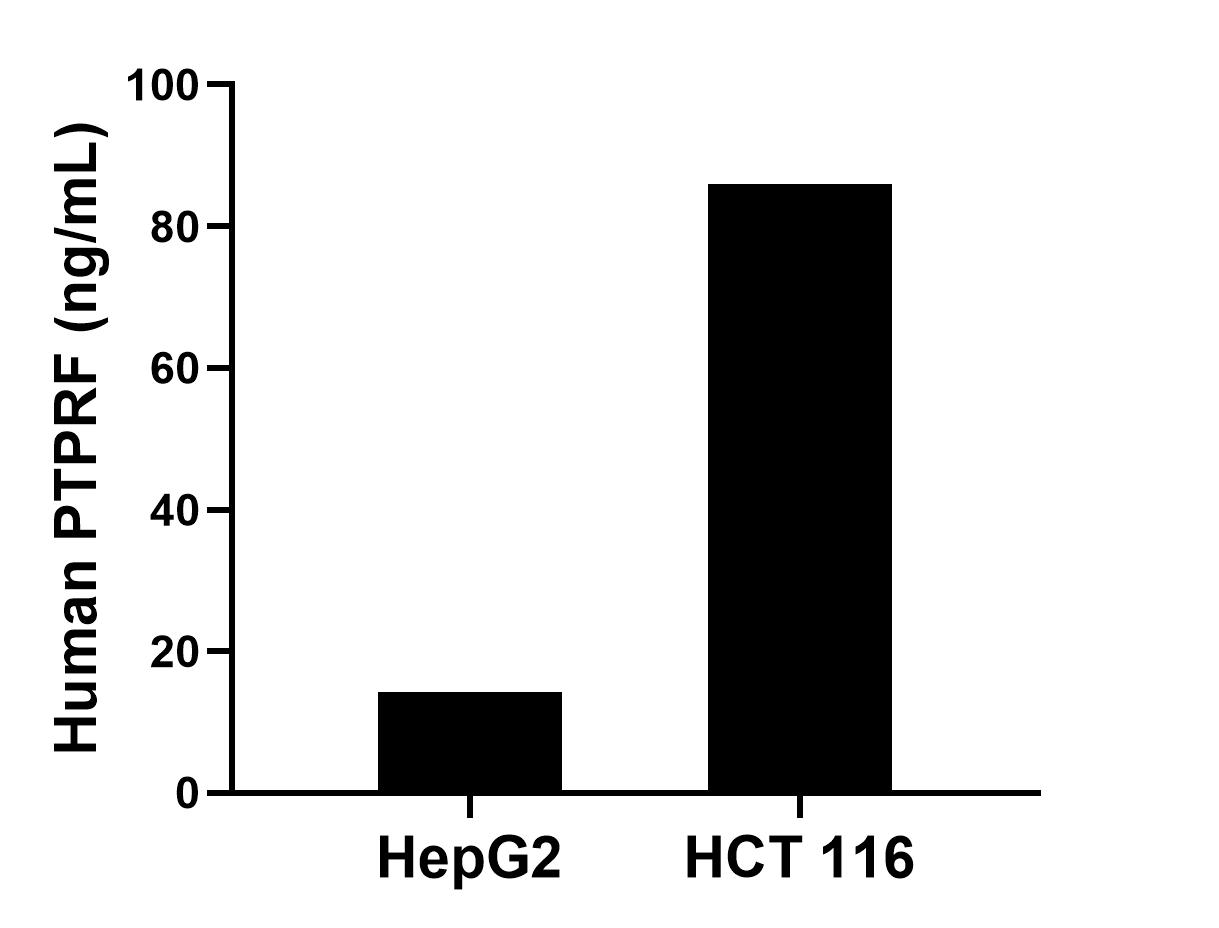
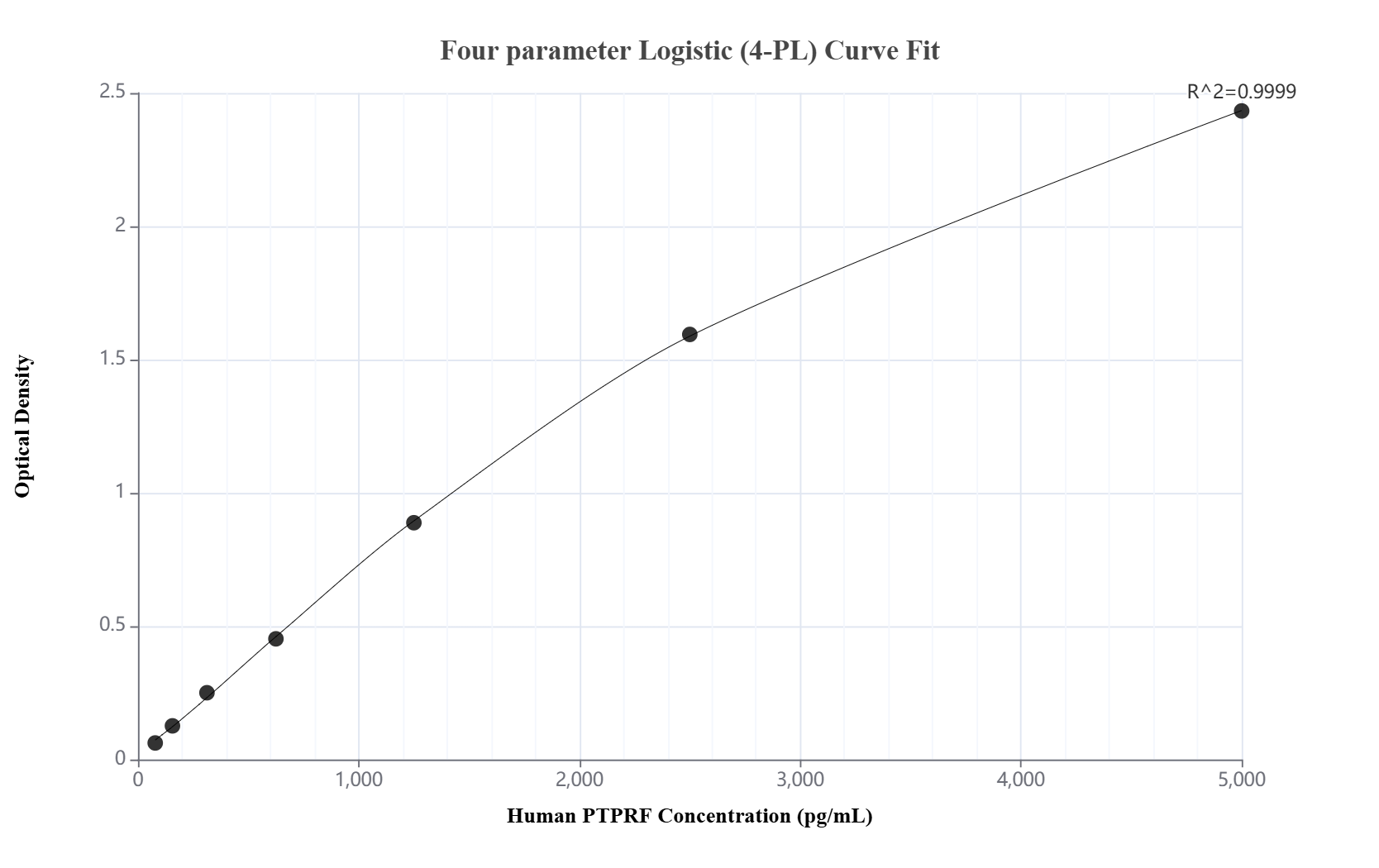
产品信息
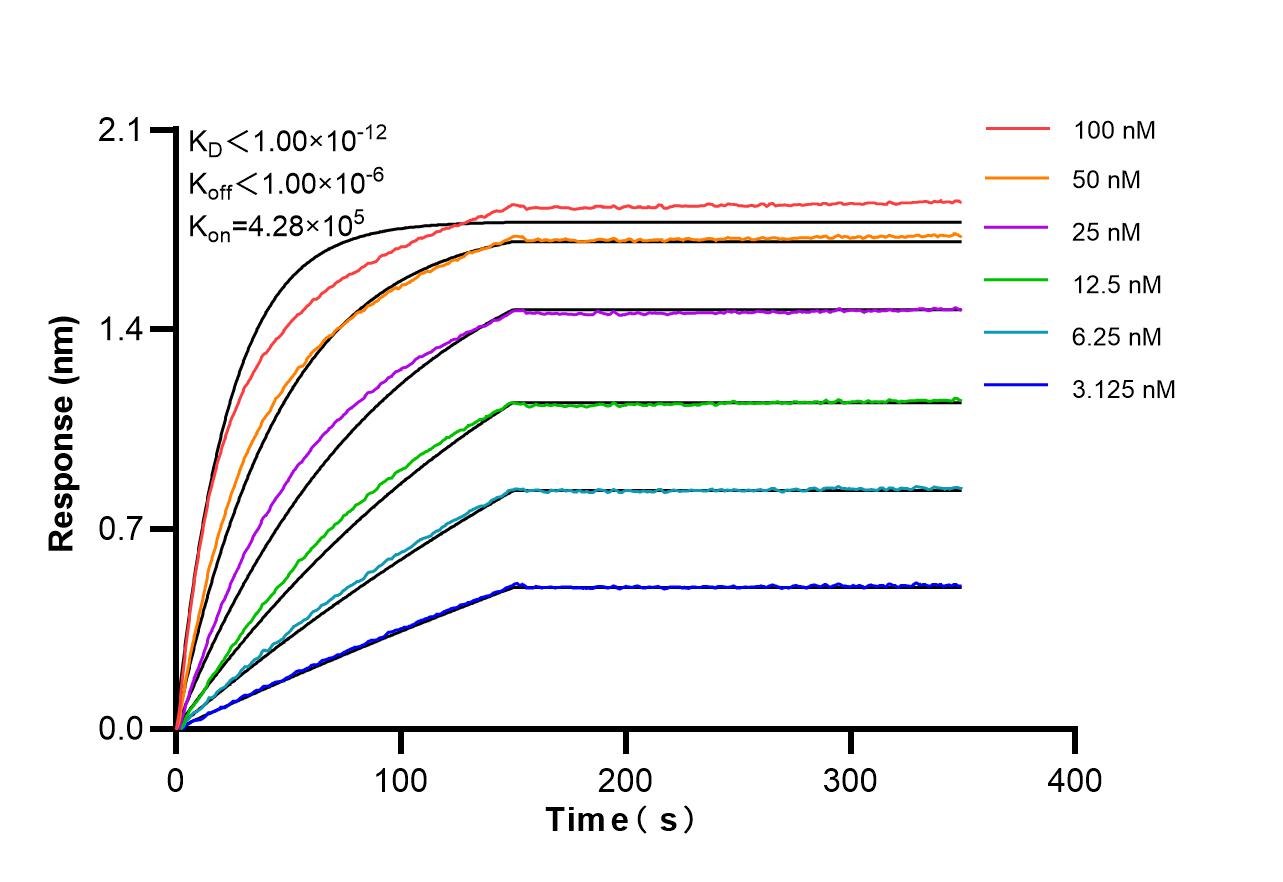
86944-1-PBS targets PTPRF as part of a matched antibody pair:
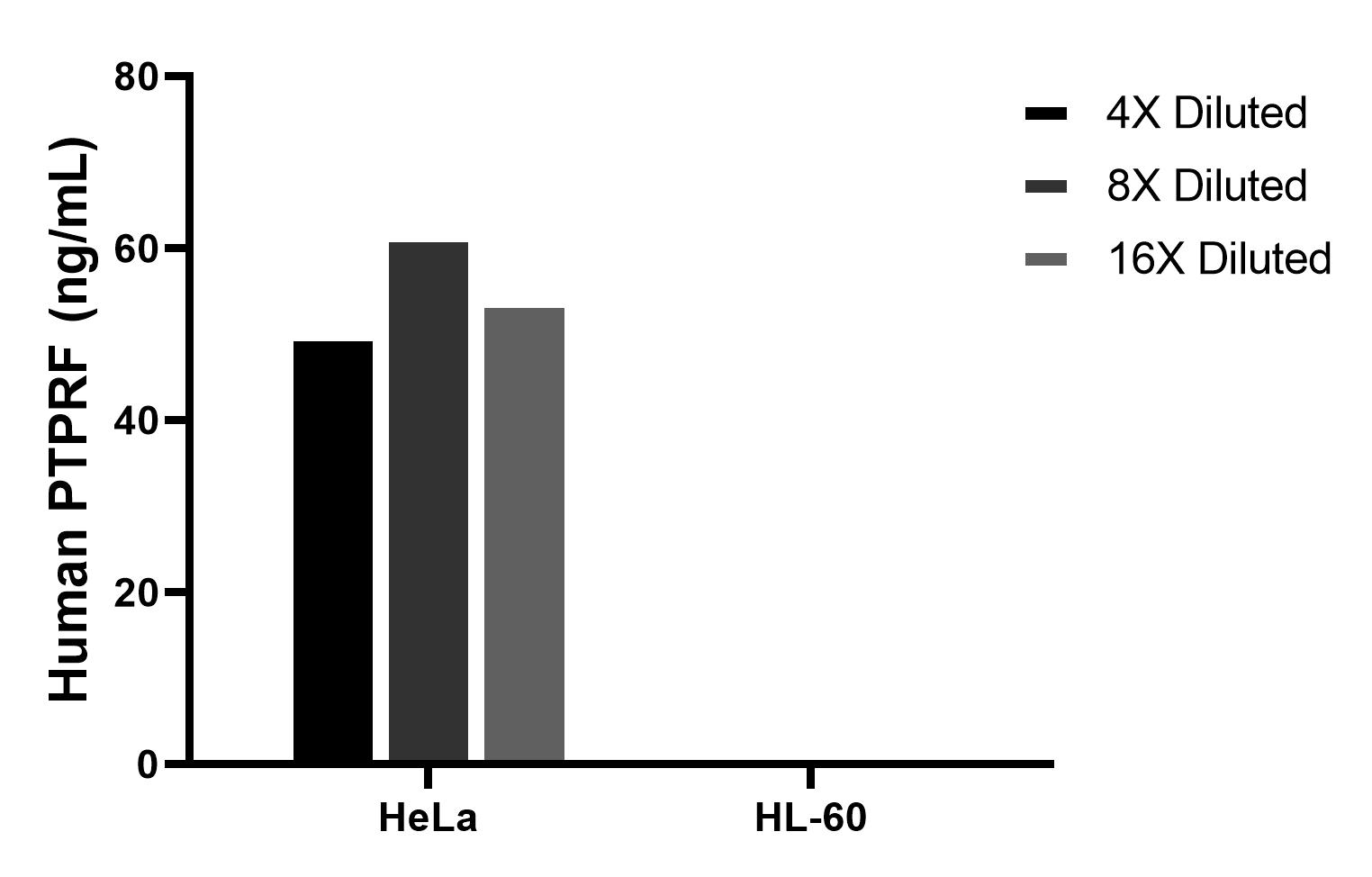
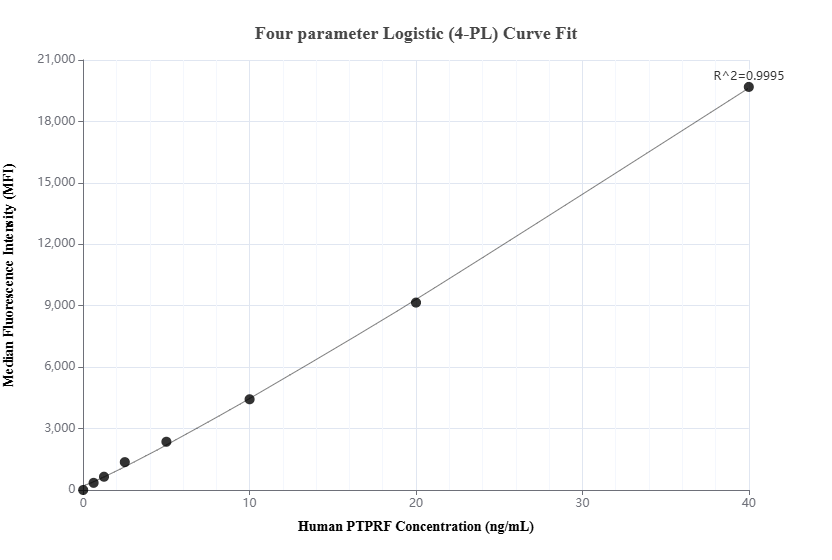
MP02791-1: 86944-1-PBS capture and 86944-2-PBS detection (validated in Cytometric bead array, Sandwich ELISA)
Unconjugated rabbit recombinant monoclonal antibody in PBS only (BSA and azide free) storage buffer at a concentration of 1 mg/mL, ready for conjugation. Created using Proteintech’s proprietary in-house recombinant technology. Recombinant production enables unrivalled batch-to-batch consistency, easy scale-up, and future security of supply.
This conjugation ready format makes antibodies ideal for use in many applications including: ELISAs, multiplex assays requiring matched pairs, mass cytometry, and multiplex imaging applications.Antibody use should be optimized by the end user for each application and assay.
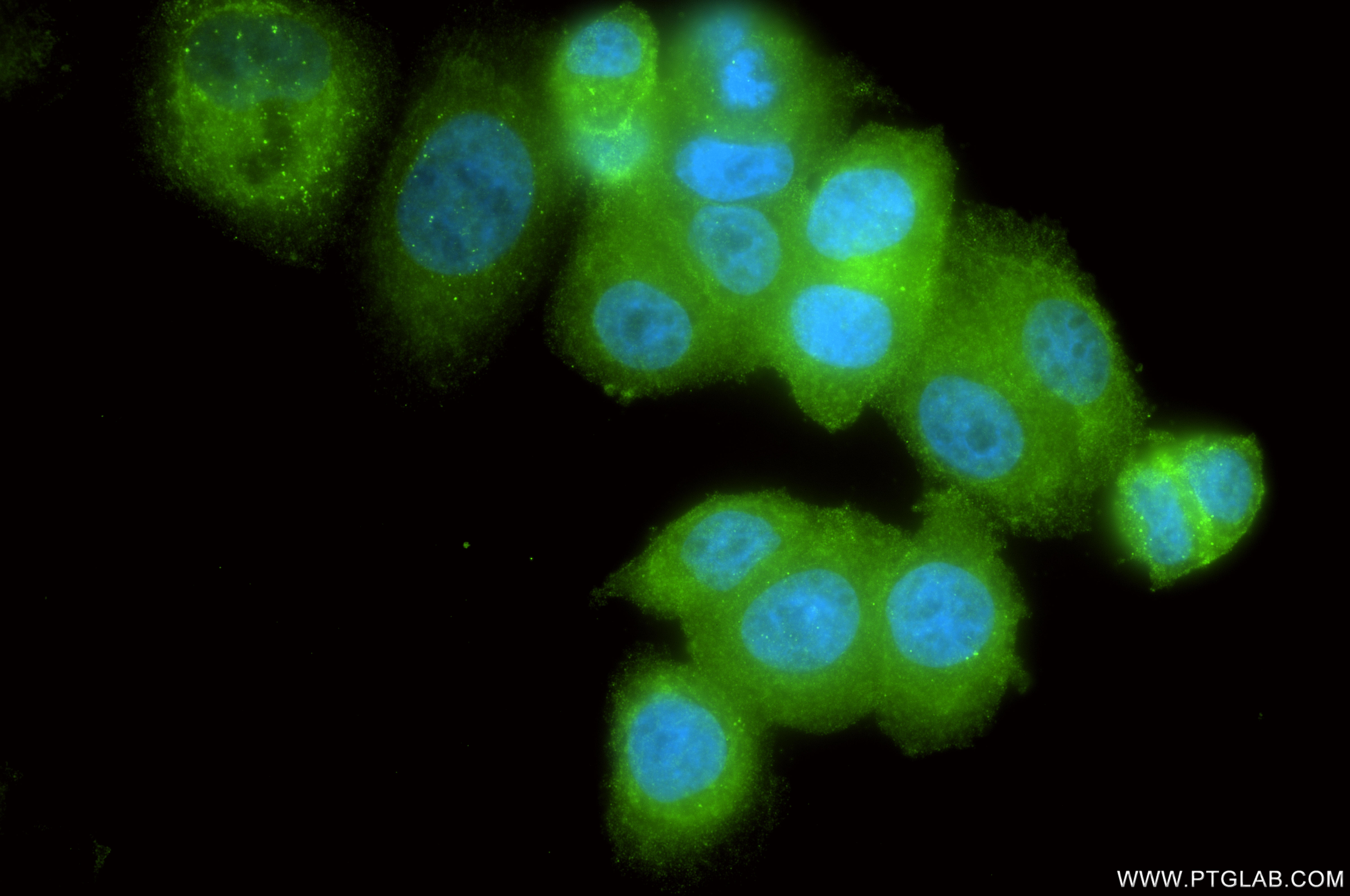
| 经测试应用 | WB, IF/ICC, Cytometric bead array, Sandwich ELISA, Indirect ELISA Application Description |
| 经测试反应性 | human, mouse, rat |
| 免疫原 |
CatNo: Eg6919 Product name: Recombinant Human PTPRF protein (rFc Tag) Source: mammalian cells-derived, V37 Tag: C-rFc Domain: 30-1263 aa of NM_002840.4 Sequence: DSKPVFIKVPEDQTGLSGGVASFVCQATGEPKPRITWMKKGKKVSSQRFEVIEFDDGAGSVLRIQPLRVQRDEAIYECTATNSLGEINTSAKLSVLEEEQLPPGFPSIDMGPQLKVVEKARTATMLCAAGGNPDPEISWFKDFLPVDPATSNGRIKQLRSGALQIESSEESDQGKYECVATNSAGTRYSAPANLYVRVRRVAPRFSIPPSSQEVMPGGSVNLTCVAVGAPMPYVKWMMGAEELTKEDEMPVGRNVLELSNVVRSANYTCVAISSLGMIEATAQVTVKALPKPPIDLVVTETTATSVTLTWDSGNSEPVTYYGIQYRAAGTEGPFQEVDGVATTRYSIGGLSPFSEYAFRVLAVNSIGRGPPSEAVRARTGEQAPSSPPRRVQARMLSASTMLVQWEPPEEPNGLVRGYRVYYTPDSRRPPNAWHKHNTDAGLLTTVGSLLPGITYSLRVLAFTAVGDGPPSPTIQVKTQQGVPAQPADFQAEVESDTRIQLSWLLPPQERIIMYELVYWAAEDEDQQHKVTFDPTSSYTLEDLKPDTLYRFQLAARSDMGVGVFTPTIEARTAQSTPSAPPQKVMCVSMGSTTVRVSWVPPPADSRNGVITQYSVAYEAVDGEDRGRHVVDGISREHSSWDLVGLEKWTEYRVWVRAHTDVGPGPESSPVLVRTDEDVPSGPPRKVEVEPLNSTAVHVYWKLPVPSKQHGQIRGYQVTYVRLENGEPRGLPIIQDVMLAEAQWRPEESEDYETTISGLTPETTYSVTVAAYTTKGDGARSKPKIVTTTGAVPGRPTMMISTTAMNTALLQWHPPKELPGELLGYRLQYCRADEARPNTIDFGKDDQHFTVTGLHKGTTYIFRLAAKNRAGLGEEFEKEIRTPEDLPSGFPQNLHVTGLTTSTTELAWDPPVLAERNGRIISYTVVFRDINSQQELQNITTDTRFTLTGLKPDTTYDIKVRAWTSKGSGPLSPSIQSRTMPVEQVFAKNFRVAAAMKTSVLLSWEVPDSYKSAVPFKILYNGQSVEVDGHSMRKLIADLQPNTEYSFVLMNRGSSAGGLQHLVSIRTAPDLLPHKPLPASAYIEDGRFDLSMPHVQDPSLVRWFYIVVVPIDRVGGSMLTPRWSTPEELELDELLEAIEQGGEEQRRRRRQAERLKPYVAAQLDVLPETFTLGDKKNYRGFYNRPLSPDLSYQCFVLASLKEPMDQKRYASSPYSDEIVVQVTPAQQQEEPEMLW 种属同源性预测 |
| 宿主/亚型 | Rabbit / IgG |
| 抗体类别 | Recombinant |
| 产品类型 | Antibody |
| 全称 | protein tyrosine phosphatase, receptor type, F |
| 别名 | EC:3.1.3.48, LAR, Receptor-type tyrosine-protein phosphatase F |
| 计算分子量 | 213 kDa |
| 观测分子量 | 150 kDa |
| GenBank蛋白编号 | NM_002840.4 |
| 基因名称 | PTPRF |
| Gene ID (NCBI) | 5792 |
| RRID | AB_3745224 |
| 偶联类型 | Unconjugated |
| 形式 | Liquid |
| 纯化方式 | Protein A purification |
| UNIPROT ID | P10586-1 |
| 储存缓冲液 | PBS only, pH 7.3. |
| 储存条件 | Store at -80°C. The product is shipped with ice packs. Upon receipt, store it immediately at -80°C |
背景介绍
PTPRF (Protein Tyrosine Phosphatase Receptor Type F) is a receptor protein tyrosine phosphatase, also known as LAR. PTPRF is a transmembrane protein with extracellular domain, transmembrane domain and two intracellular catalytic domains in series. It is located in the cell membrane and participates in the interaction between cells or cell matrix. It is widely expressed in many tissues, including fat, skin, heart, lung, liver, kidney, pancreas, small intestine, colon, brain, skeletal muscle, spleen, peripheral white blood cells and so on. The protein plays an important role in regulating a variety of cell processes, including cell growth, differentiation, mitotic cycle and carcinogenic transformation. In the insulin-responsive tissues of obese and insulin-resistant individuals, the expression level of PTPRF is increased, which may contribute to the pathogenesis of insulin resistance. PTPRF showed expression changes in many cancers, such as breast cancer, thyroid cancer, non-small cell lung cancer and so on. In gastric adenocarcinoma, PTPRF, as a new tumor suppressor, plays a role by inactivating ERK1/2 signaling pathway (PMID: 32973331). The total length of the protein is 175-200kd, and after cutting, it forms 125-150 and 80-85kd,70 and 72kDa fragments (PMID: 1547787, PMID: 17259169).