验证数据展示
产品信息
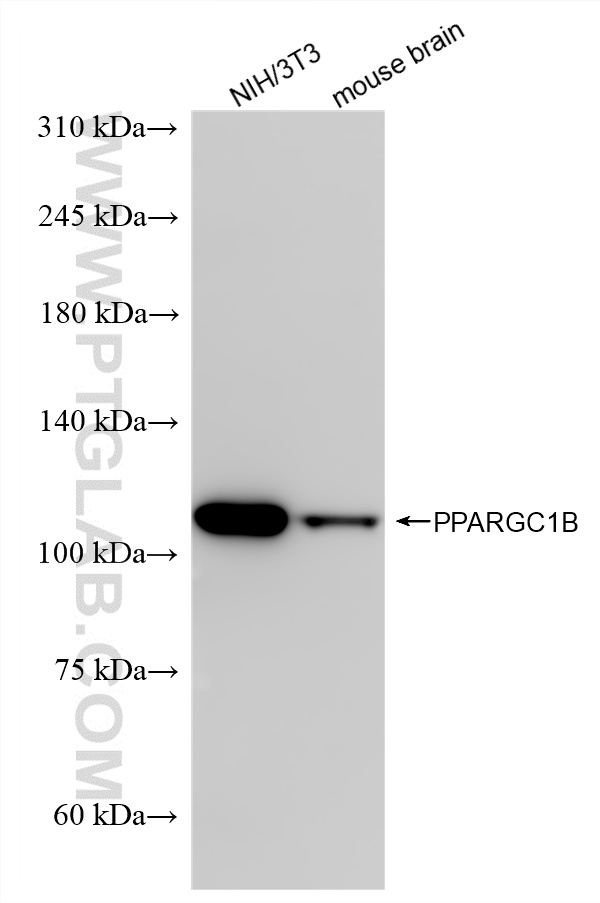
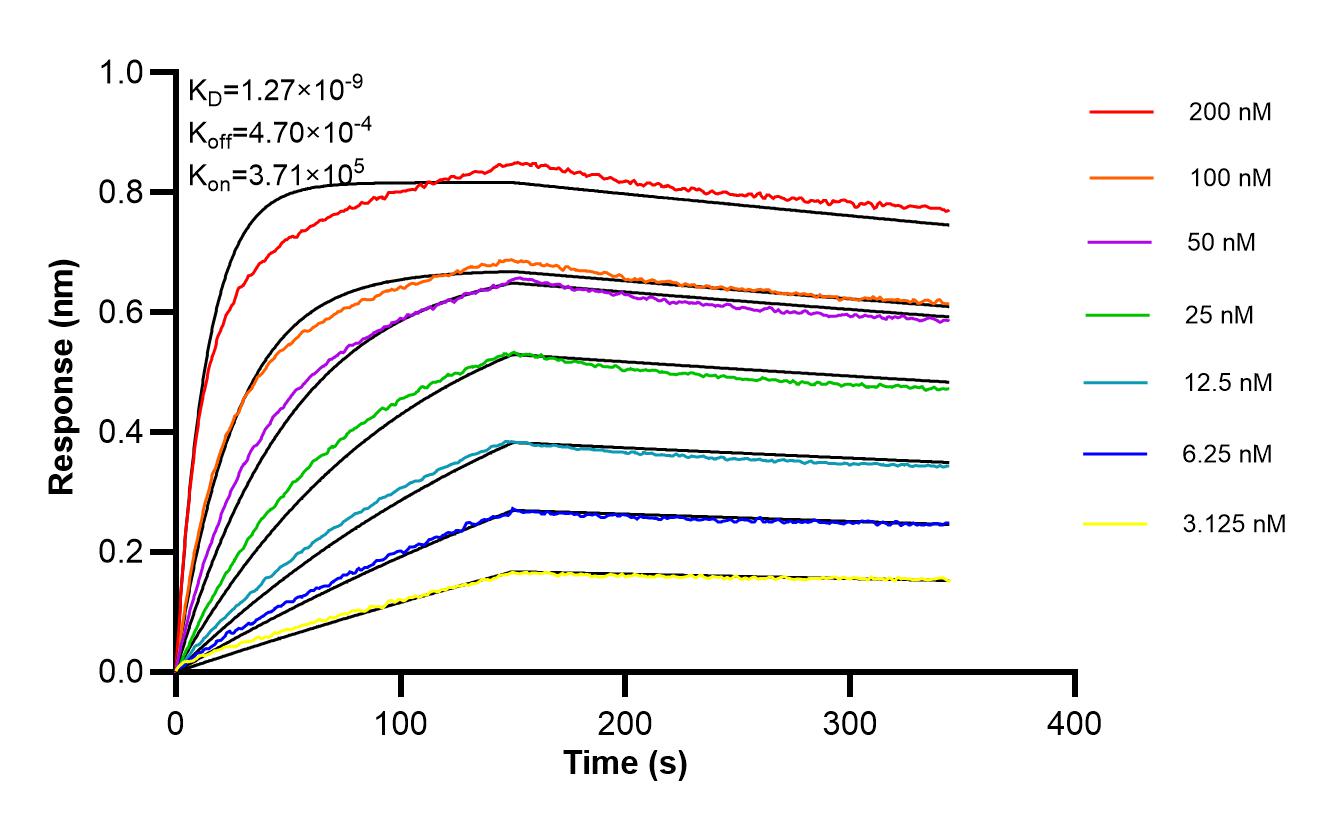
86997-1-PBS targets PPARGC1B in WB, Indirect ELISA applications and shows reactivity with human, mouse samples.
| 经测试应用 | WB, Indirect ELISA Application Description |
| 经测试反应性 | human, mouse |
| 免疫原 |
CatNo: Ag17566 Product name: Recombinant human PPARGC1B protein Source: e coli.-derived, PGEX-4T Tag: GST Domain: 1-350 aa of BC132971 Sequence: MAGNDCGALLDEELSSFFLNYLADTQGGGSGEEQLYADFPELDLSQLDASDFDSATCFGELQWCPENSETEPNQYSPDDSELFQIDSENEALLAELTKTLDDIPEDDVGLAAFPALDGGDALSCTSASPAPSSAPPSPAPEKPSAPAPEVDELSLLQKLLLATSYPTSSSDTQKEGTAWRQAGLRSKSQRPCVKADSTQDKKAPMMQSQSRSCTELHKHLTSAQCCLQDRGLQPPCLQSPRLPAKEDKEPGEDCPSPQPAPASPRDSLALGRADPGAPVSQEDMQAMVQLIRYMHTYCLPQRKLPPQTPEPLPKACSNPSQQVRSRPWSRHHSKASWAEFSILRELLAQD 种属同源性预测 |
| 宿主/亚型 | Rabbit / IgG |
| 抗体类别 | Recombinant |
| 产品类型 | Antibody |
| 全称 | peroxisome proliferator-activated receptor gamma, coactivator 1 beta |
| 别名 | ERRL1, PERC, Peroxisome proliferator activated receptor gamma coactivator 1 beta, Peroxisome proliferator-activated receptor gamma coactivator 1-beta, PGC1 |
| 计算分子量 | 1023 aa, 113 kDa |
| 观测分子量 | 100-110 kDa |
| GenBank蛋白编号 | BC132971 |
| 基因名称 | PPARGC1B |
| Gene ID (NCBI) | 133522 |
| RRID | AB_3745265 |
| 偶联类型 | Unconjugated |
| 形式 | Liquid |
| 纯化方式 | Protein A purification |
| UNIPROT ID | Q86YN6 |
| 储存缓冲液 | PBS only, pH 7.3. |
| 储存条件 | Store at -80°C. The product is shipped with ice packs. Upon receipt, store it immediately at -80°C |
背景介绍
PPARGC1B (Peroxisome Proliferator-Activated Receptor Gamma Coactivator 1-Beta) is a transcriptional coactivator that plays a key role in the regulation of cellular energy metabolism, particularly in tissues with high metabolic demands such as the heart, skeletal muscle, liver, and brain. Encoded by the PPARGC1B gene in humans, it interacts with a variety of nuclear receptors and transcription factors, including PPARs, ERRs, and NRF1, to promote the expression of genes involved in mitochondrial biogenesis, oxidative phosphorylation, fatty acid oxidation, and glucose homeostasis. Unlike its close paralog PGC-1α, PGC-1β is less responsive to physiological stimuli like cold exposure or exercise but is more constitutively expressed and tightly linked to lipid metabolism and reactive oxygen species (ROS) detoxification.