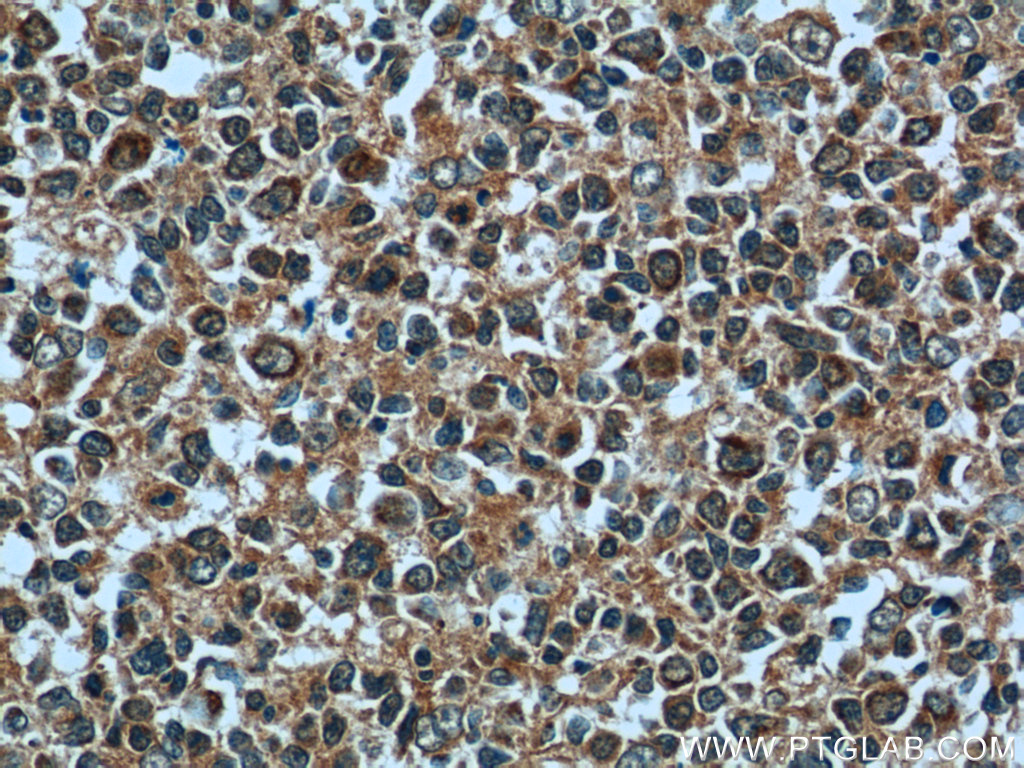
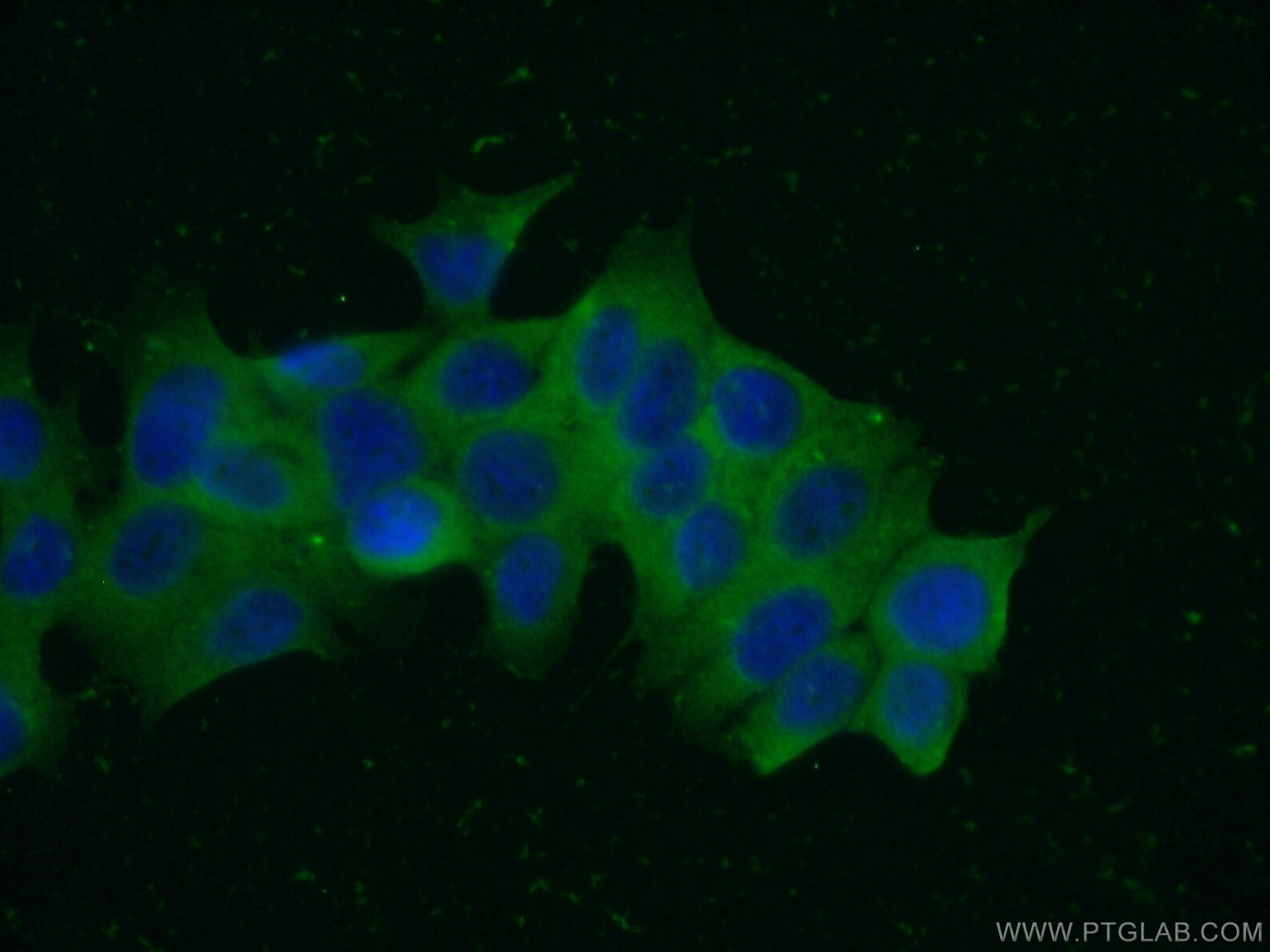
验证数据展示
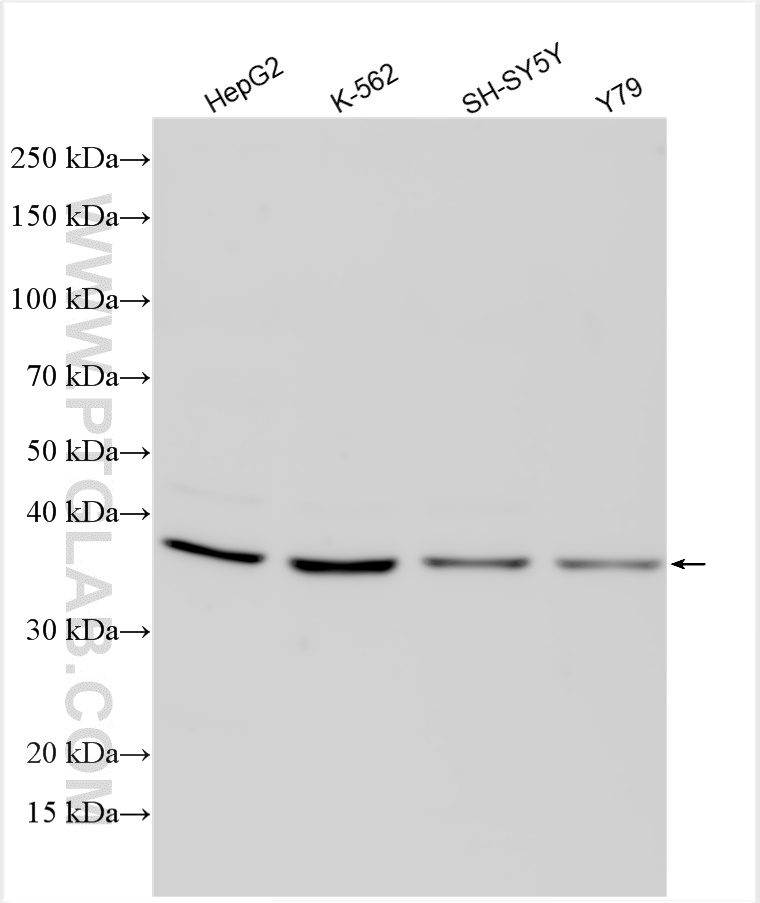
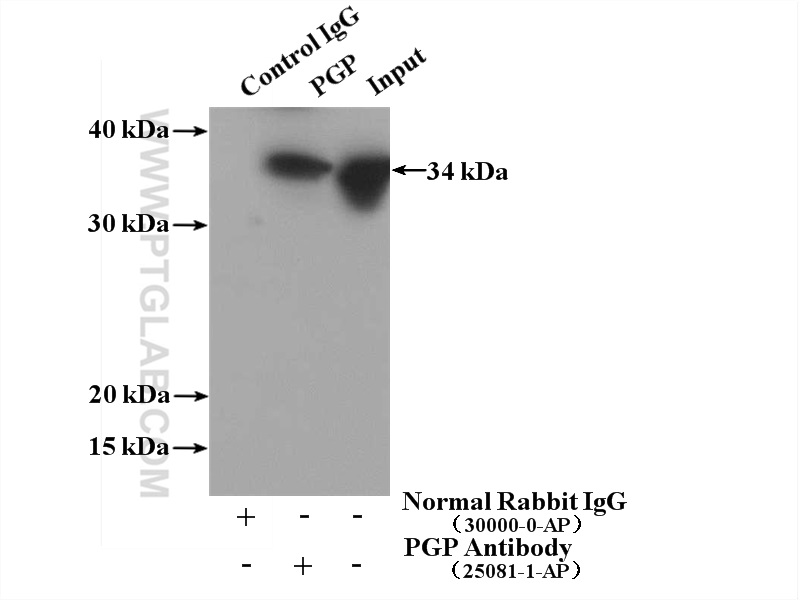
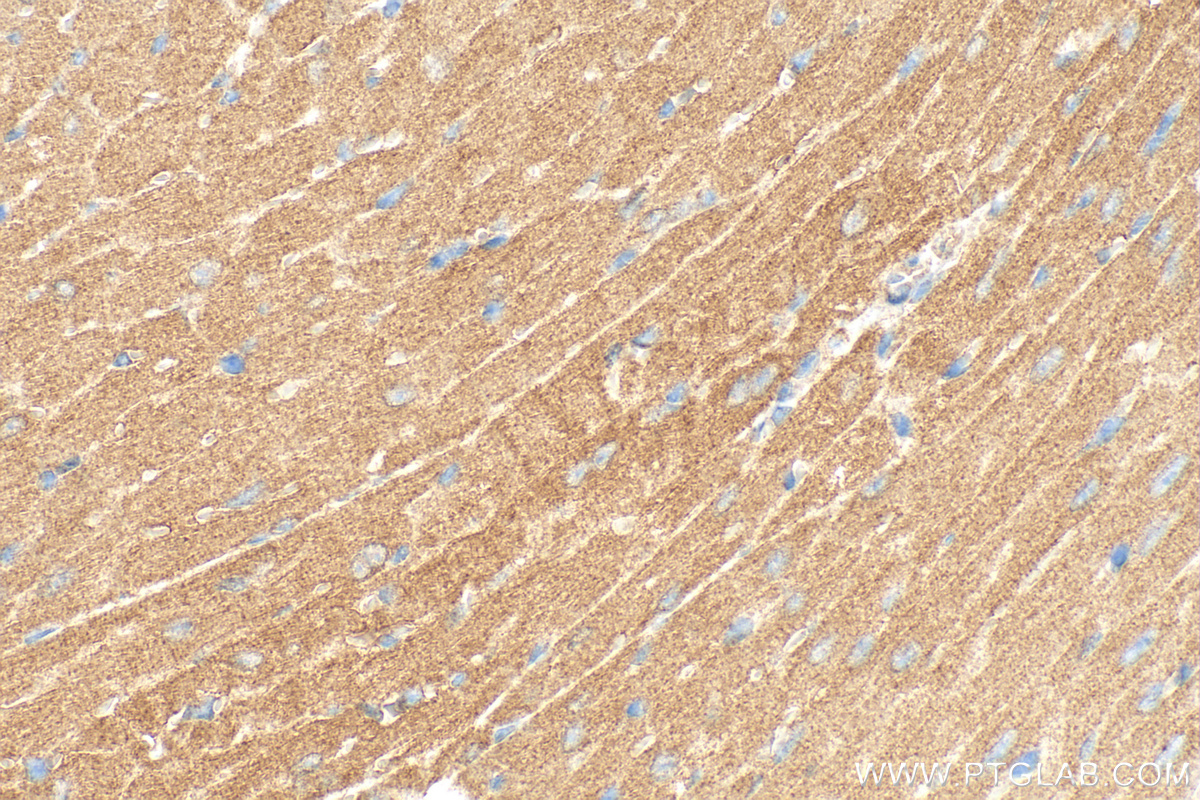
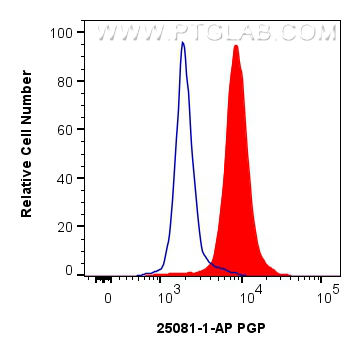

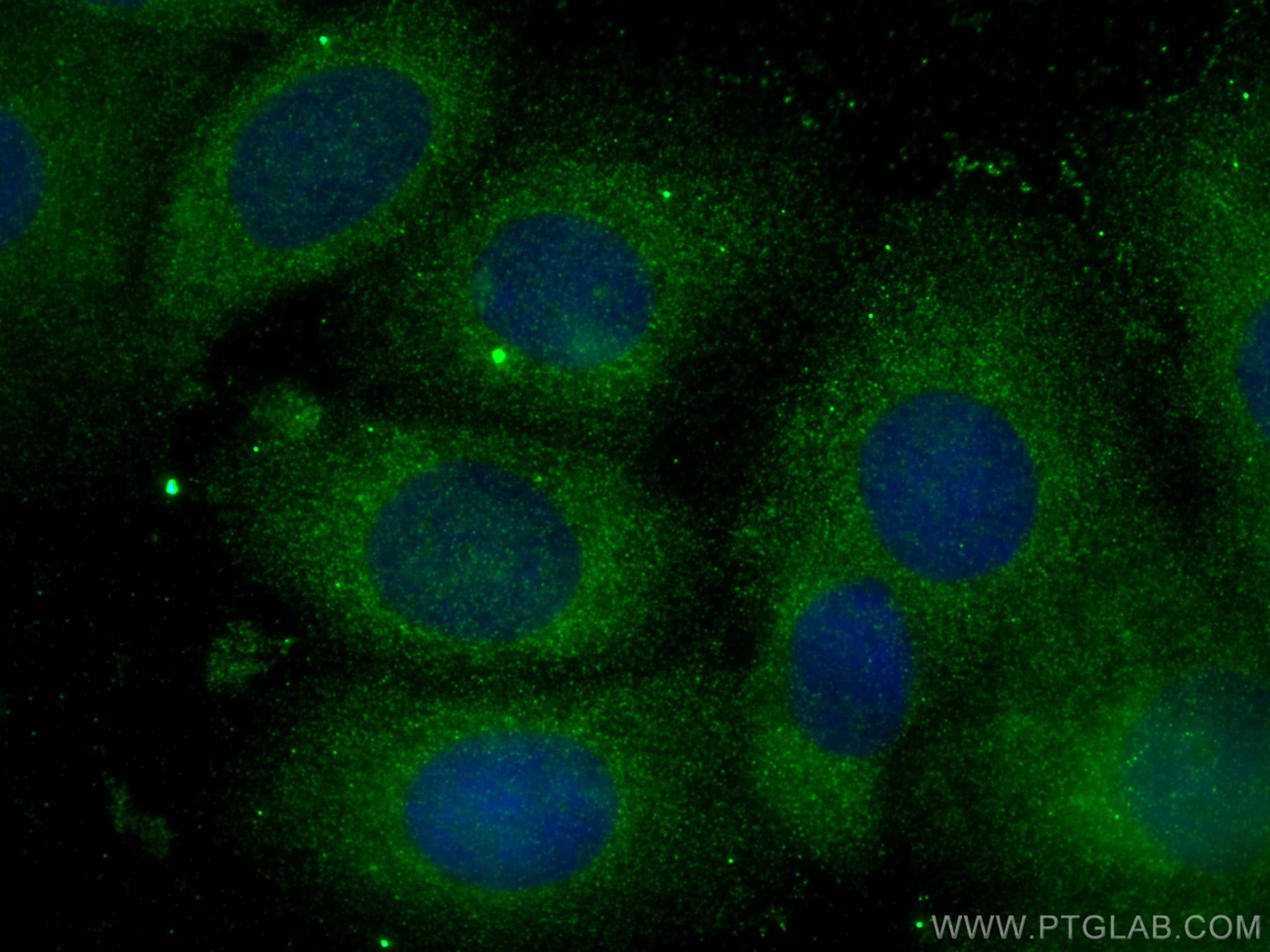
经过测试的应用
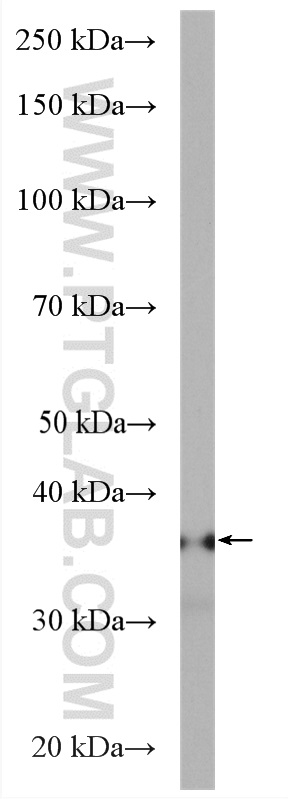
| Positive WB detected in | HepG2 cells, mouse heart tissue, K-562 cells, SH-SY5Y cells, Y79 cells |
| Positive IP detected in | Y79 cells |
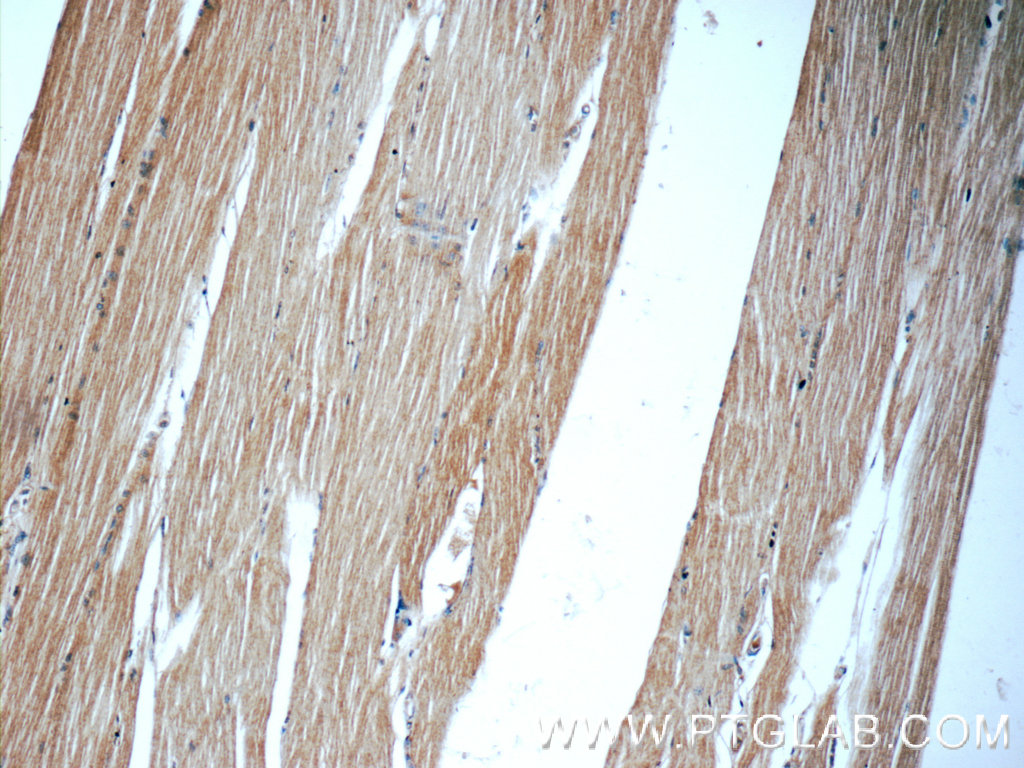
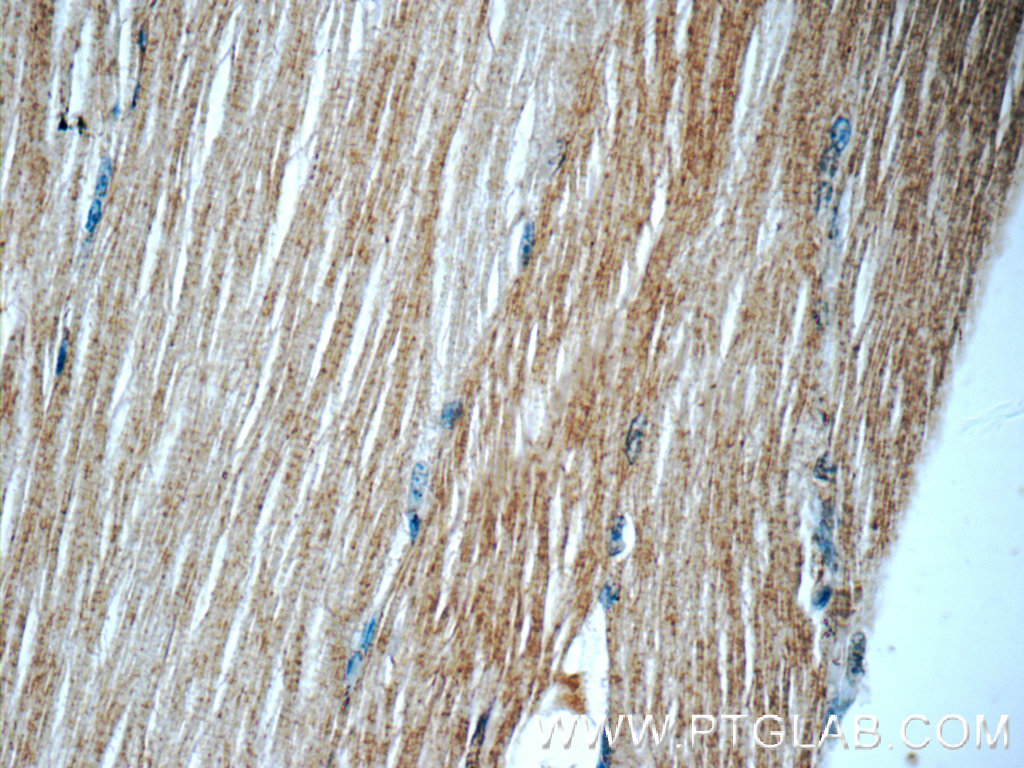
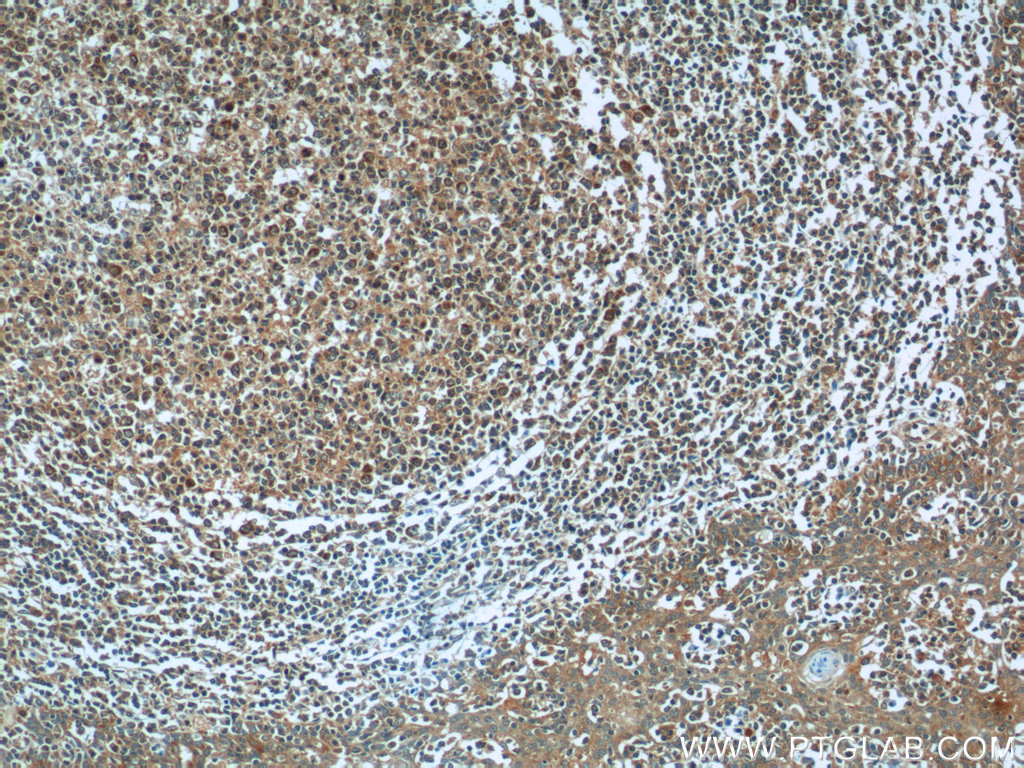
| Positive IHC detected in | mouse heart tissue, human skeletal muscle tissue, human tonsillitis tissue Note: suggested antigen retrieval with TE buffer pH 9.0; (*) Alternatively, antigen retrieval may be performed with citrate buffer pH 6.0 |
| Positive IF/ICC detected in | MCF-7 cells |
| Positive FC (Intra) detected in | SH-SY5Y cells |
推荐稀释比
| 应用 | 推荐稀释比 |
|---|---|
| Western Blot (WB) | WB : 1:2000-1:10000 |
| Immunoprecipitation (IP) | IP : 0.5-4.0 ug for 1.0-3.0 mg of total protein lysate |
| Immunohistochemistry (IHC) | IHC : 1:200-1:800 |
| Immunofluorescence (IF)/ICC | IF/ICC : 1:200-1:800 |
| Flow Cytometry (FC) (INTRA) | FC (INTRA) : 0.40 ug per 10^6 cells in a 100 ul suspension |
| It is recommended that this reagent should be titrated in each testing system to obtain optimal results. | |
| Sample-dependent, Check data in validation data gallery. | |
产品信息
25081-1-AP targets PGP in WB, IHC, IF/ICC, FC (Intra), IP, ELISA applications and shows reactivity with human, mouse samples.
| 经测试应用 | WB, IHC, IF/ICC, FC (Intra), IP, ELISA Application Description |
| 文献引用应用 | WB, IHC, IF |
| 经测试反应性 | human, mouse |
| 文献引用反应性 | human, mouse, rat |
| 免疫原 |
CatNo: Ag18623 Product name: Recombinant human PGP protein Source: e coli.-derived, PGEX-4T Tag: GST Domain: 1-321 aa of BC157035 Sequence: MAAAEAGGDDARCVRLSAERAQALLADVDTLLFDCDGVLWRGETAVPGAPEALRALRARGKRLGFITNNSSKTRAAYAEKLRRLGFGGPAGPGASLEVFGTAYCTALYLRQRLAGAPAPKAYVLGSPALAAELEAVGVASVGVGPEPLQGEGPGDWLHAPLEPDVRAVVVGFDPHFSYMKLTKALRYLQQPGCLLVGTNMDNRLPLENGRFIAGTGCLVRAVEMAAQRQADIIGKPSRFIFDCVSQEYGINPERTVMVGDRLDTDILLGATCGLKTILTLTGVSTLGDVKNNQESDCVSKKKMVPDFYVDSIADLLPALQG 种属同源性预测 |
| 宿主/亚型 | Rabbit / IgG |
| 抗体类别 | Polyclonal |
| 产品类型 | Antibody |
| 全称 | phosphoglycolate phosphatase |
| 别名 | Aspartate-based ubiquitous Mg(2+)-dependent phosphatase, AUM, EC:3.1.3.21, EC:3.1.3.48, G3PP |
| 计算分子量 | 321 aa, 34 kDa |
| 观测分子量 | 34 kDa |
| GenBank蛋白编号 | BC157035 |
| 基因名称 | PGP |
| Gene ID (NCBI) | 283871 |
| RRID | AB_2879888 |
| 偶联类型 | Unconjugated |
| 形式 | Liquid |
| 纯化方式 | Antigen affinity purification |
| UNIPROT ID | A6NDG6 |
| 储存缓冲液 | PBS with 0.02% sodium azide and 50% glycerol, pH 7.3. |
| 储存条件 | Store at -20°C. Stable for one year after shipment. Aliquoting is unnecessary for -20oC storage. |
背景介绍
PGP(phosphoglycolate phosphatase) belongs to the HAD-like hydrolase superfamily. It is an essential intermediate in the biosynthetic pathway of cardiolipin and a mitochondrial-specific phospholipid regulating the membrane integrity and activities of the organelle. PGP catalyzes the formation of phosphatidylglycerol from phosphatidylglycerophosphate.
实验方案
| Product Specific Protocols | |
|---|---|
| FC protocol for PGP antibody 25081-1-AP | Download protocol |
| IF protocol for PGP antibody 25081-1-AP | Download protocol |
| IHC protocol for PGP antibody 25081-1-AP | Download protocol |
| IP protocol for PGP antibody 25081-1-AP | Download protocol |
| WB protocol for PGP antibody 25081-1-AP | Download protocol |
| Standard Protocols | |
|---|---|
| Click here to view our Standard Protocols |
发表文章
| Species | Application | Title |
|---|---|---|
Nat Chem Biol Quantitative chemoproteomics reveals dopamine's protective modification of Tau | ||
J Nanobiotechnology Combination of polythyleneimine regulating autophagy prodrug and Mdr1 siRNA for tumor multidrug resistance | ||
Adv Sci (Weinh) Targeting Metabolic Adaptation of Colorectal Cancer with Vanadium-Doped Nanosystem to Enhance Chemotherapy and Immunotherapy | ||
Acta Biomater Systematic evaluation of multifunctional paclitaxel-loaded polymeric mixed micelles as a potential anticancer remedy to overcome multidrug resistance. | ||
Chin Med The inhibitory effect and mechanism of Yi-qi-hua-yu-jie-du decoction on the drug resistance of gastric cancer stem cells based on ABC transporters | ||
Drug Deliv Transl Res Combination therapy using Cel-CSO/Taxol NPs for reversing drug resistance in breast cancer through inhibiting PI3K/AKT/NF-κB/HIF-1α pathway |