验证数据展示


产品信息
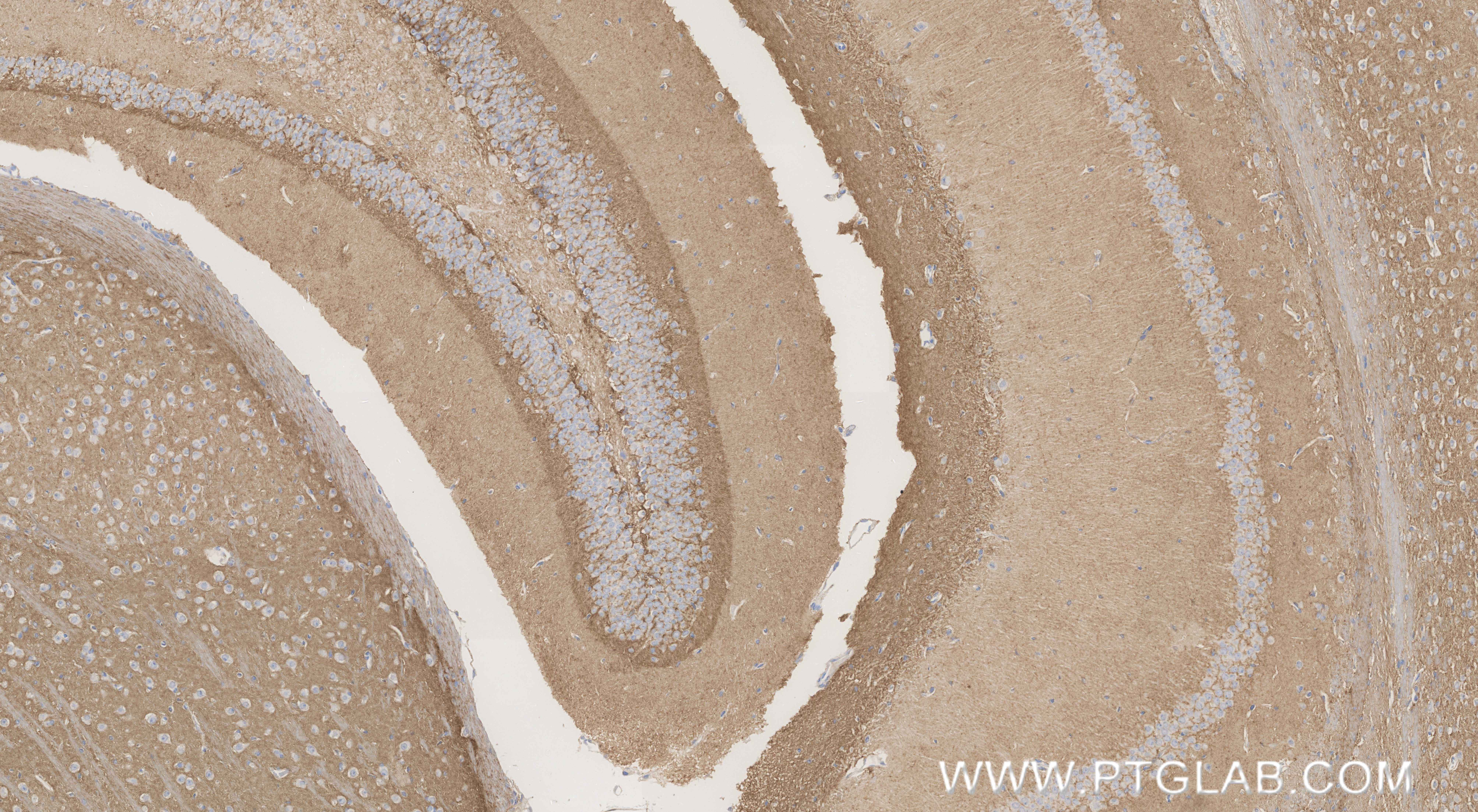
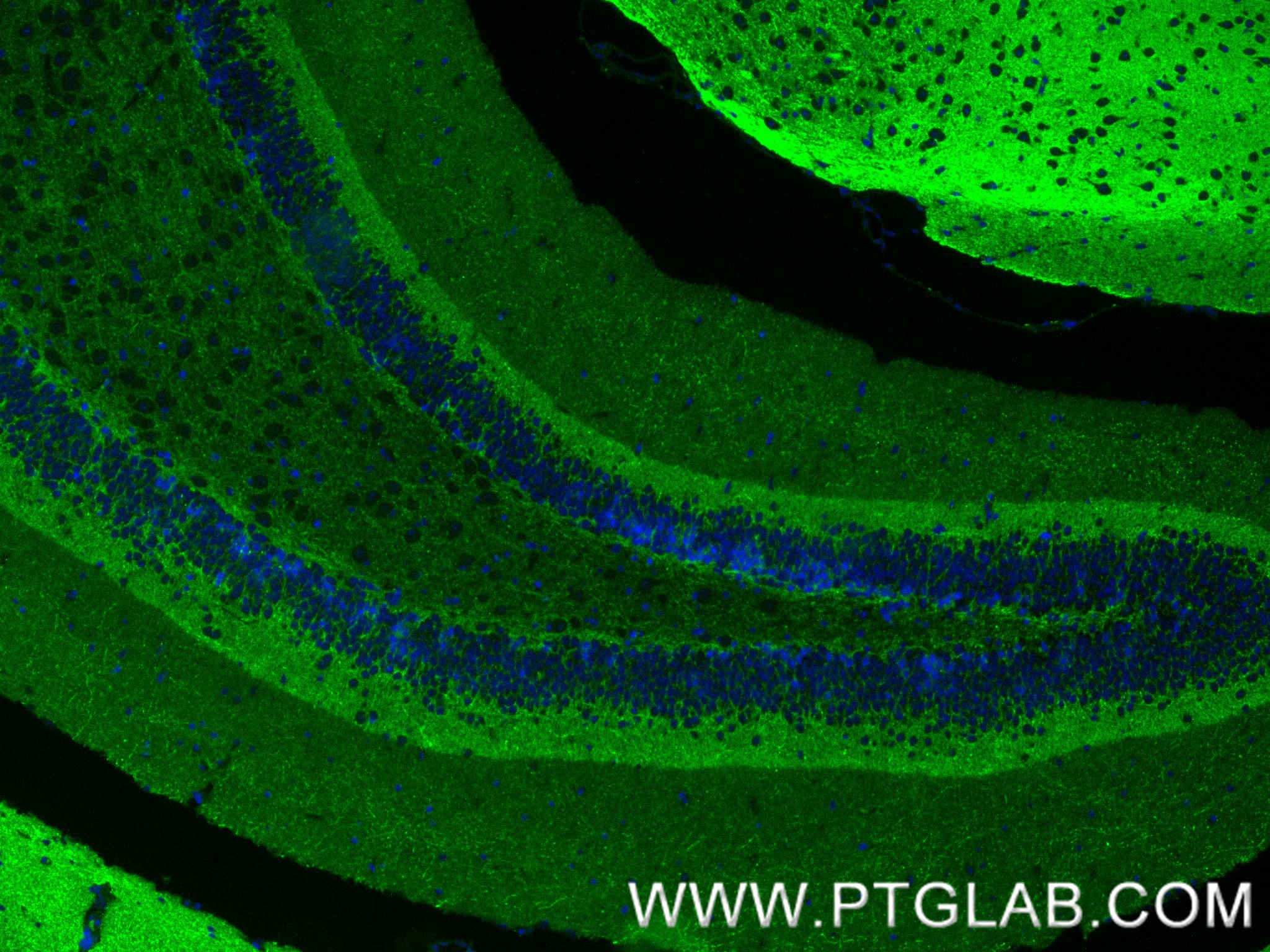
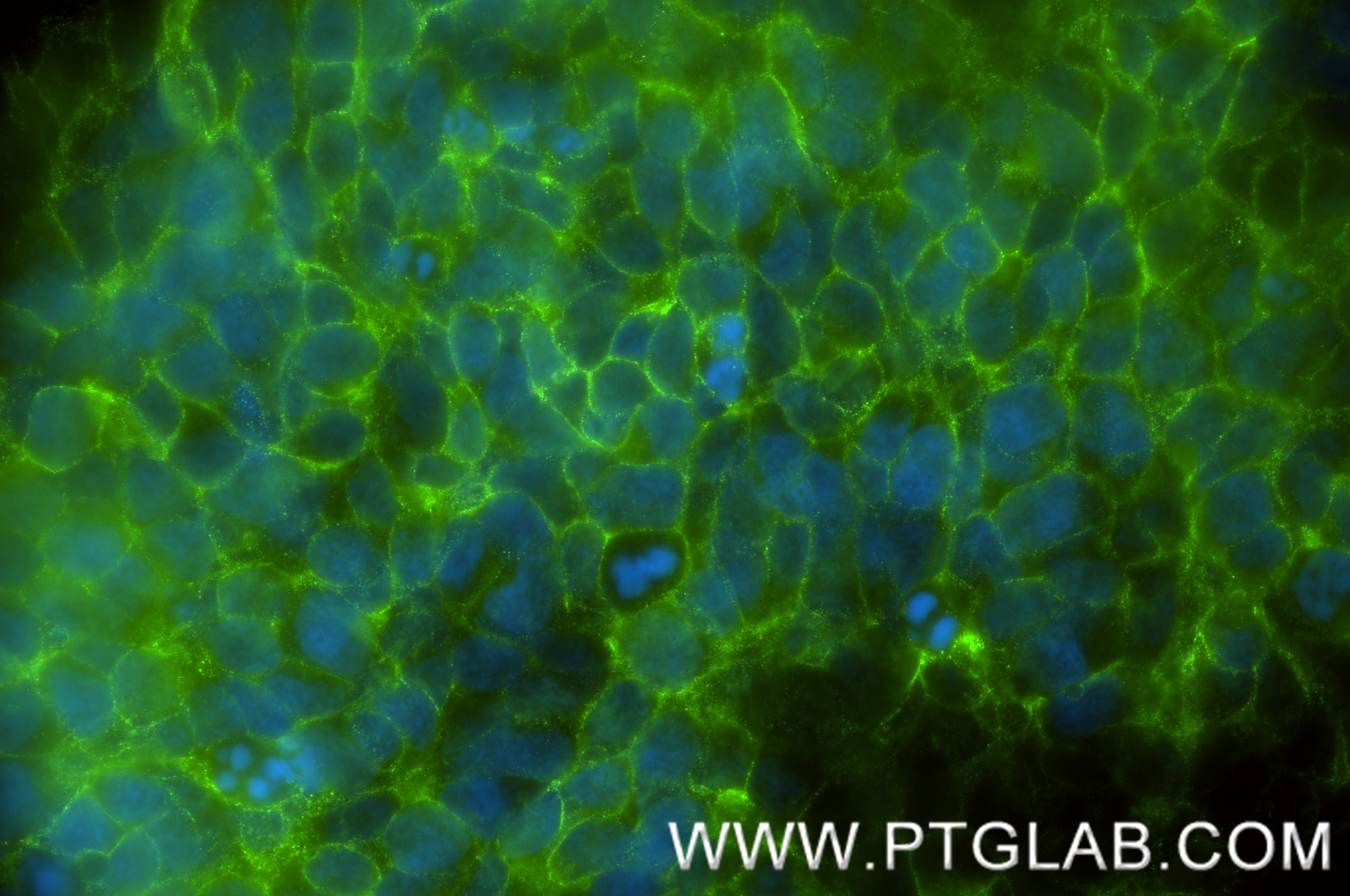
87287-1-PBS targets GAP43 in WB, IHC, IF/ICC, IF-P, Indirect ELISA applications and shows reactivity with human, mouse, rat samples.
| 经测试应用 | WB, IHC, IF/ICC, IF-P, Indirect ELISA Application Description |
| 经测试反应性 | human, mouse, rat |
| 免疫原 |
CatNo: Ag9294 Product name: Recombinant human GAP43 protein Source: e coli.-derived, PET28a Tag: 6*His Domain: 1-238 aa of BC007936 Sequence: MLCCMRRTKQVEKNDDDQKIEQDGIKPEDKAHKAATKIQASFRGHITRKKLKGEKKDDVQAAEAEANKKDEAPVADGVEKKGEGTTTAEAAPATGSKPDEPGKAGETPSEEKKGEGDAATEQAAPQAPASSEEKAGSAETESATKASTDNSPSSKAEDAPAKEEPKQADVPAAVTAAAATTPAAEDAAAKATAQPPTETGESSQAEENIEAVDETKPKESARQDEGKEEEPEADQEHA 种属同源性预测 |
| 宿主/亚型 | Rabbit / IgG |
| 抗体类别 | Recombinant |
| 产品类型 | Antibody |
| 全称 | growth associated protein 43 |
| 别名 | Axonal membrane protein GAP 43, Axonal membrane protein GAP-43, B 50, growth associated protein 43, Growth-associated protein 43 |
| 计算分子量 | 238 aa, 25 kDa |
| 观测分子量 | 43-45 kDa |
| GenBank蛋白编号 | BC007936 |
| 基因名称 | GAP43 |
| Gene ID (NCBI) | 2596 |
| RRID | AB_3745448 |
| 偶联类型 | Unconjugated |
| 形式 | Liquid |
| 纯化方式 | Protein A purification |
| UNIPROT ID | P17677 |
| 储存缓冲液 | PBS only, pH 7.3. |
| 储存条件 | Store at -80°C. The product is shipped with ice packs. Upon receipt, store it immediately at -80°C |
背景介绍
The neuronal growth-associated protein GAP43 is known as neuromodulin, B-50, P-57, F1, and pp46. Deficiency of GAP43 in mice results in death early in the postnatal period. GAP43 is one of the main substrates for protein kinase C in the brain. GAP43 is an intracellular growth-associated protein that appears to assist neuronal pathfinding and branching during development and regeneration and may contribute to presynaptic membrane changes in the adult, leading to neurotransmitter release, endocytosis, and synaptic vesicle recycling, long-term potentiation, spatial memory formation, and learning. The predicted molecular weight of about 25 kDa is much lower than the apparent observed molecular weight of 43 kDa on SDS-PAGE gels, and this occurs because the highly charged nature of GAP43 causes it to bind less than the average amount of SDS per amino acid, and because the protein has an elongated structure.