验证数据展示
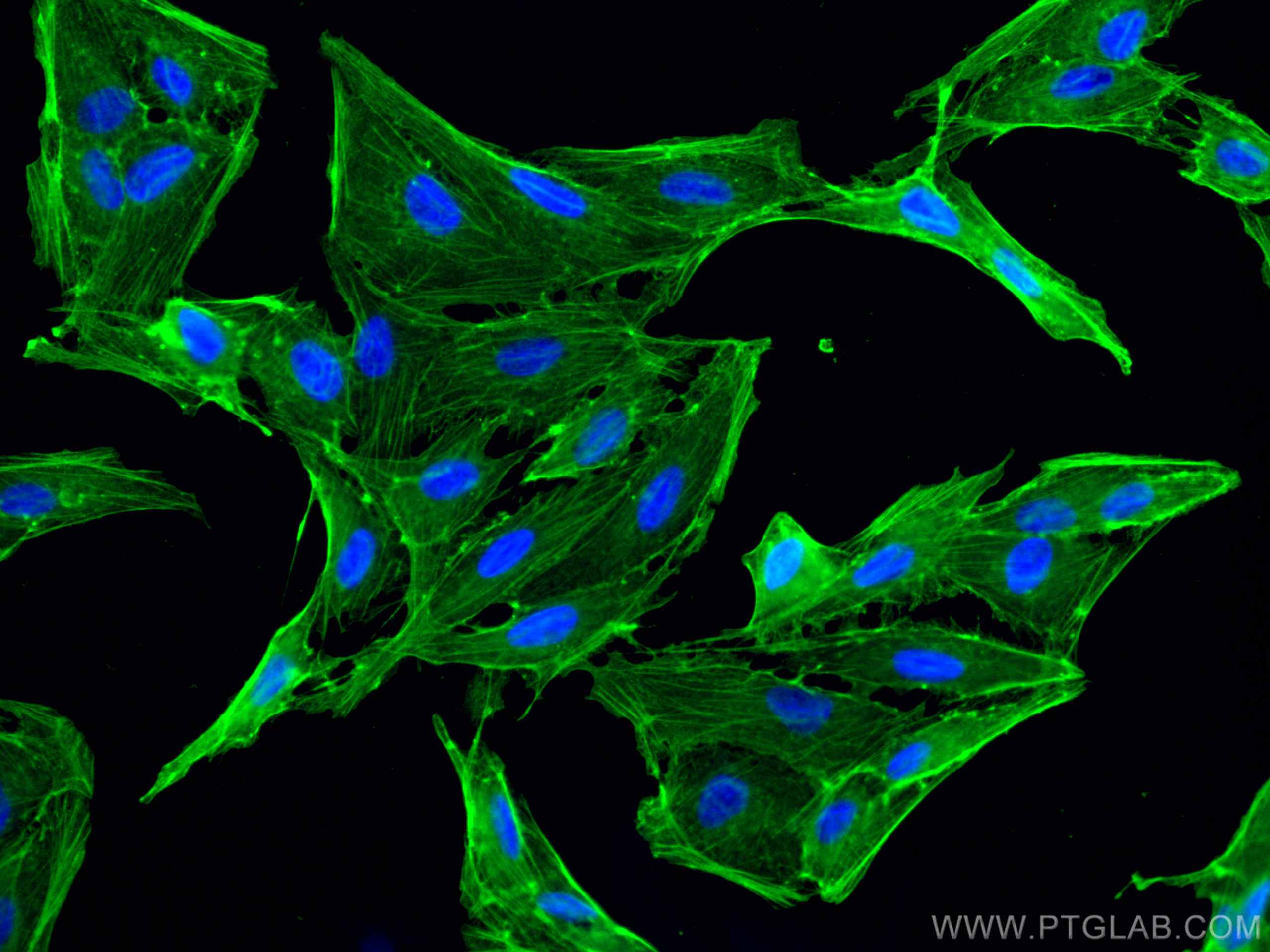
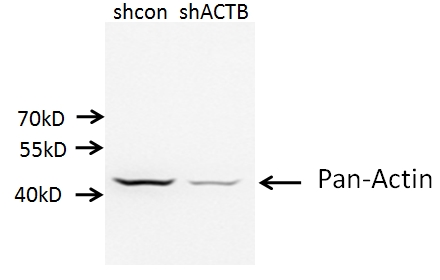
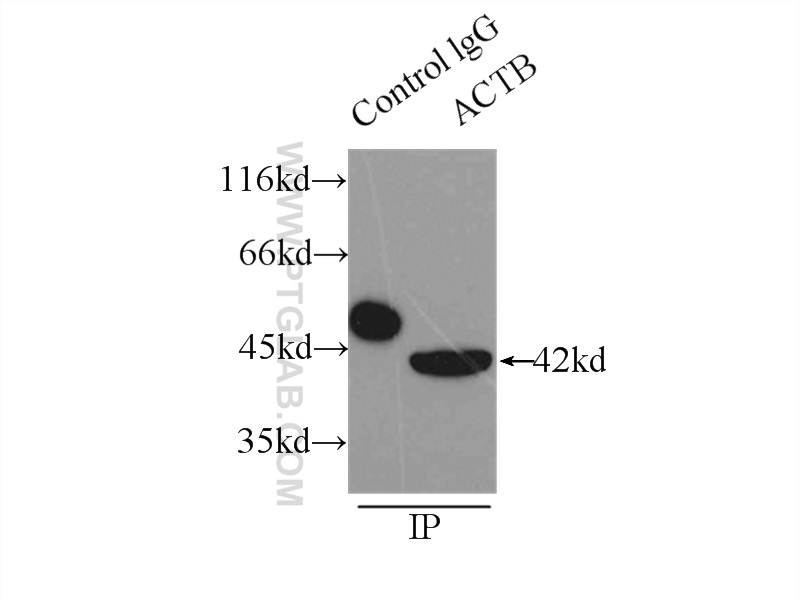
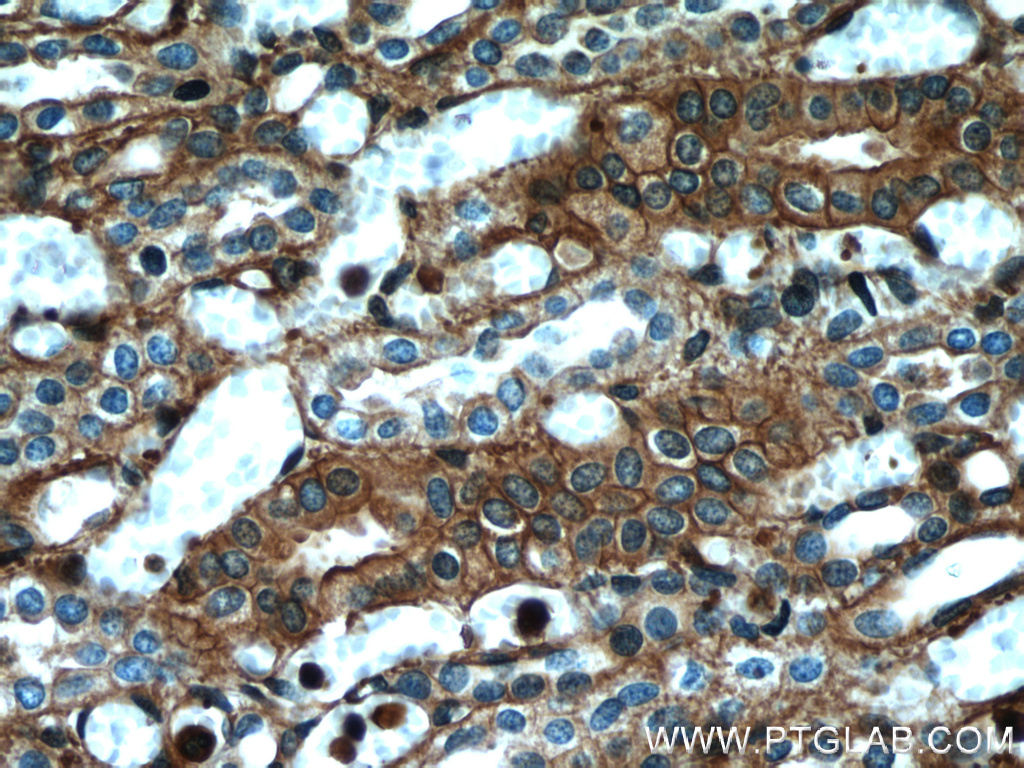

经过测试的应用
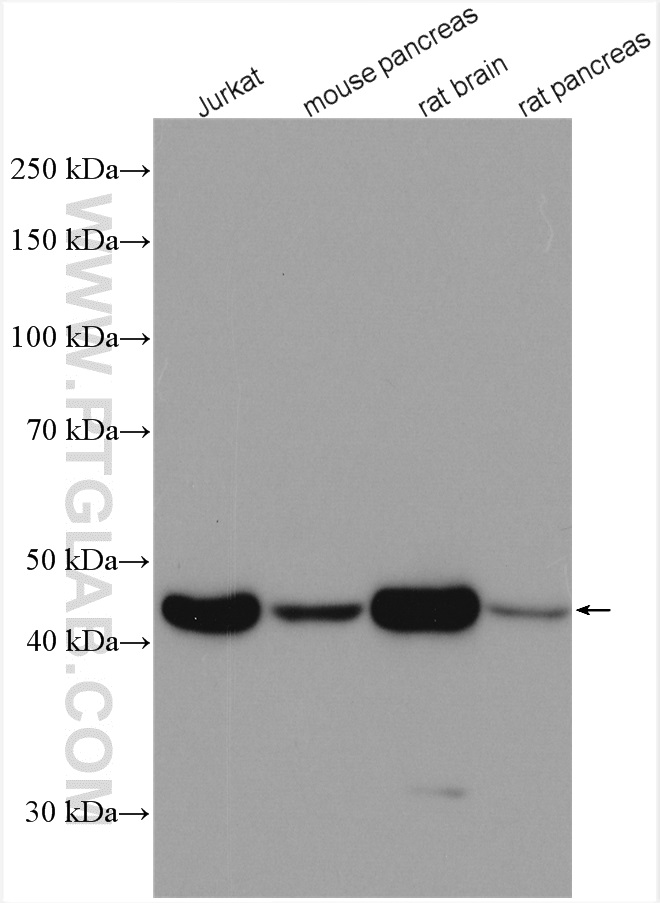
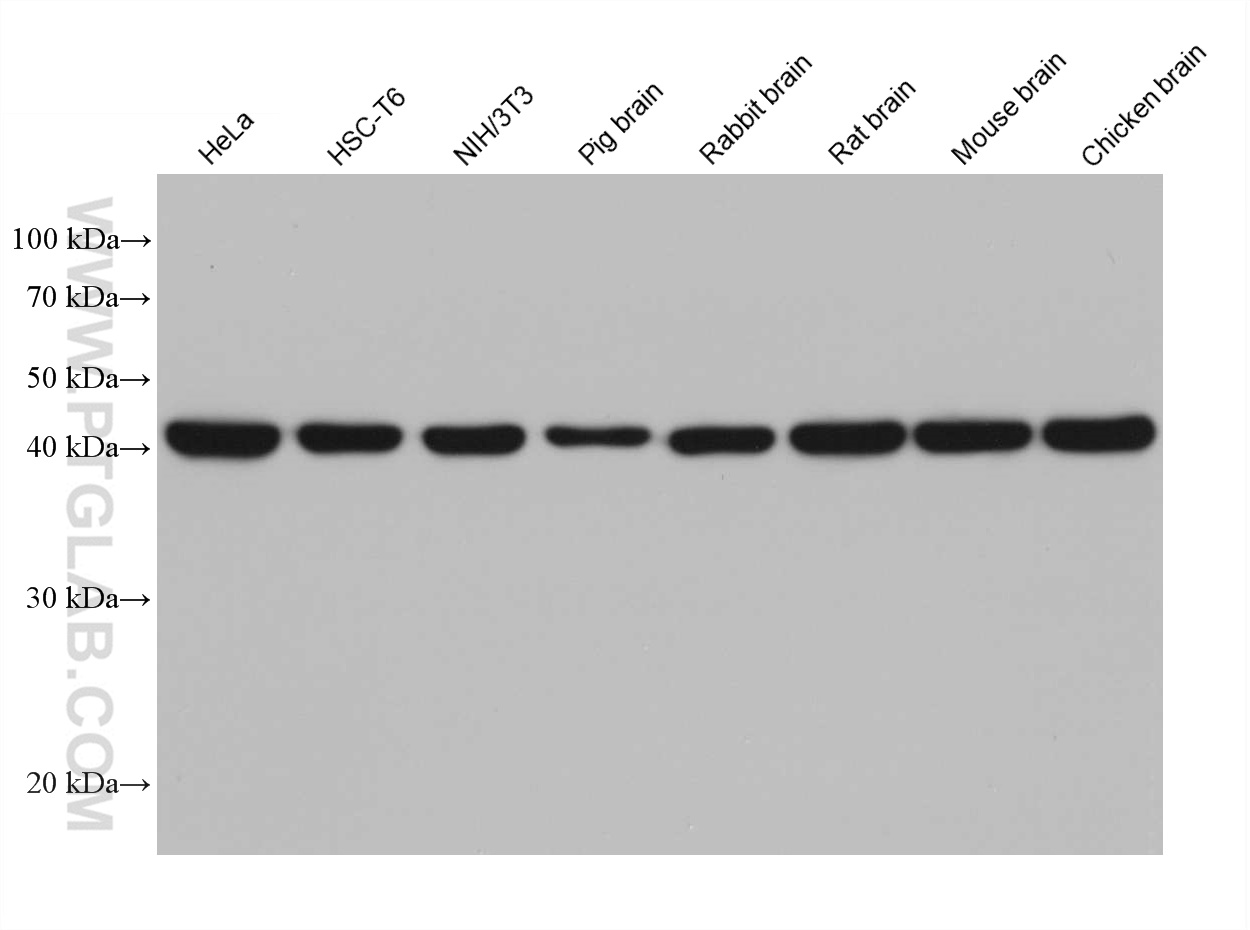
| Positive WB detected in | HeLa cells, A549 cells, Jurkat cells, mouse pancreas, rat brain, rat pancreas, HEK-293 cells, HepG2 cells, K-562 cells, HSC-T6 cells, NIH/3T3 cells, 4T1 cells, CHO cells, HSC-T6 cells. NIH/3T3 cells, Pig brain, Rabbit brain, Mouse brain, Chicken brain |
| Positive IP detected in | HeLa cells |
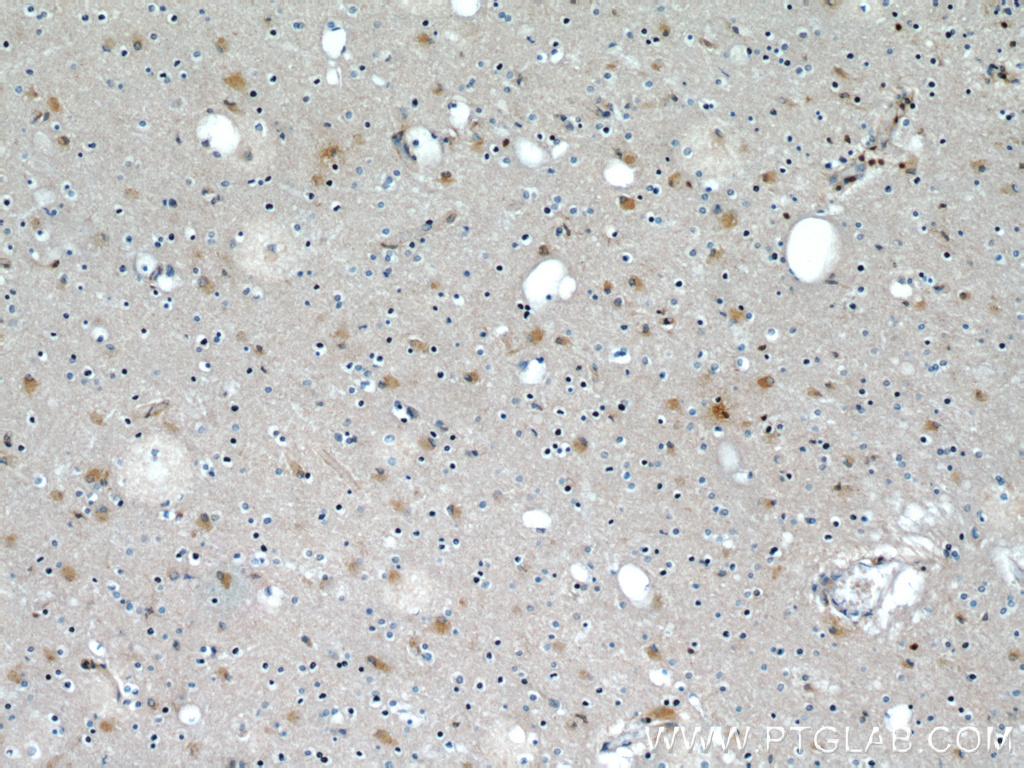
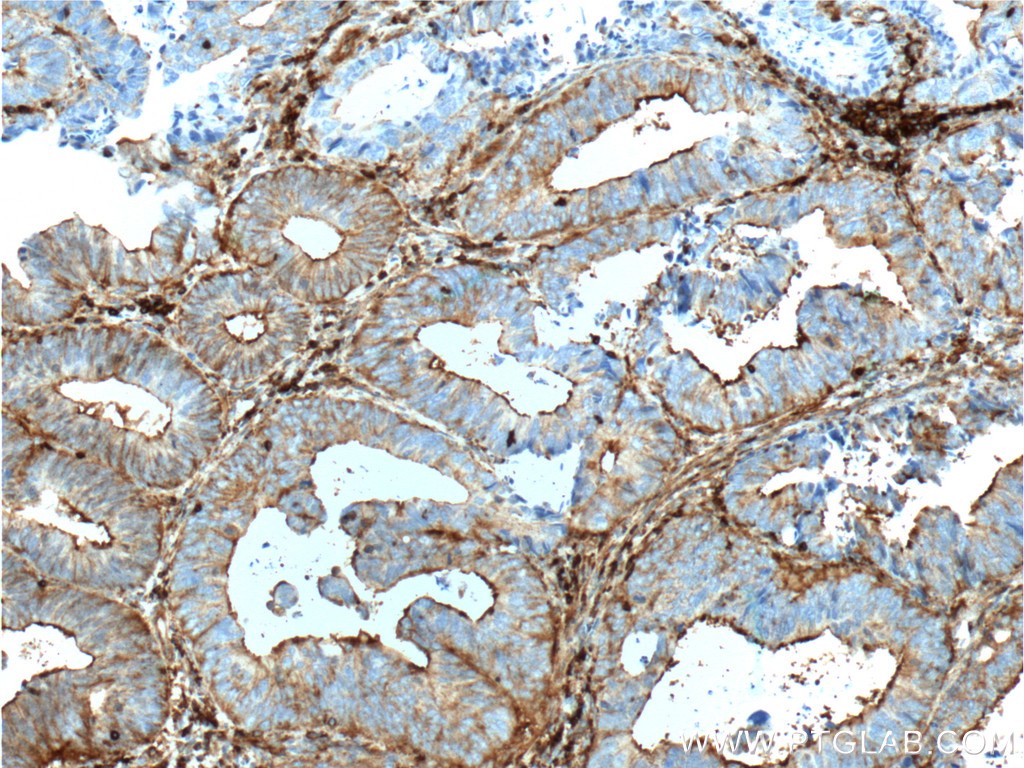
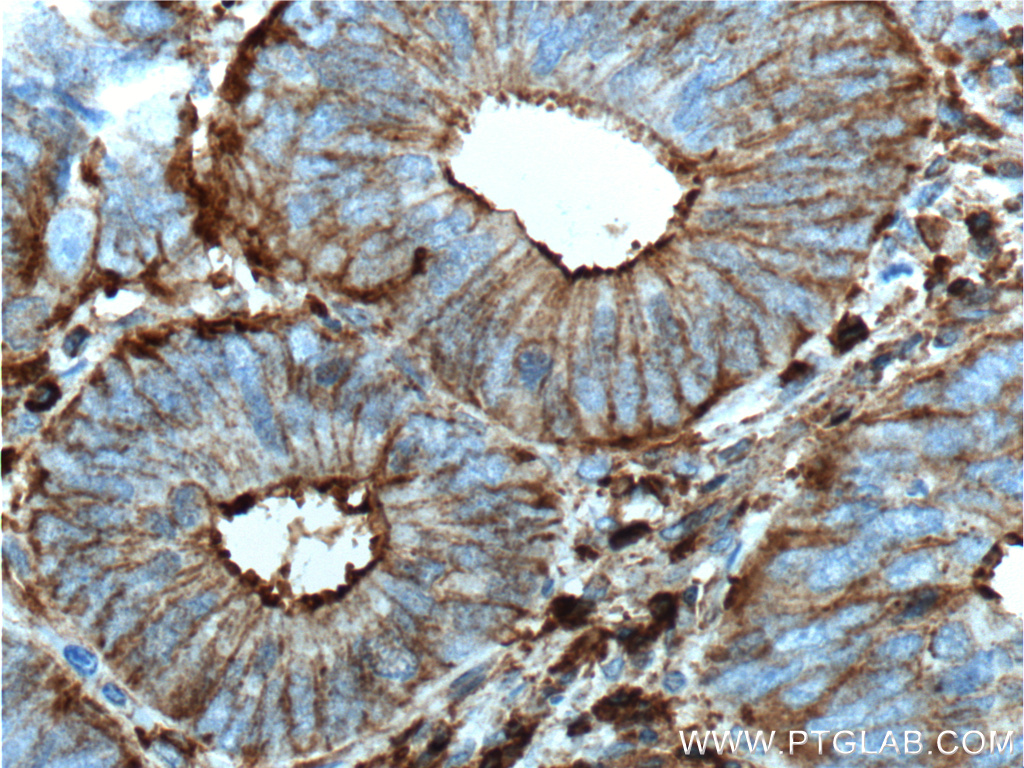
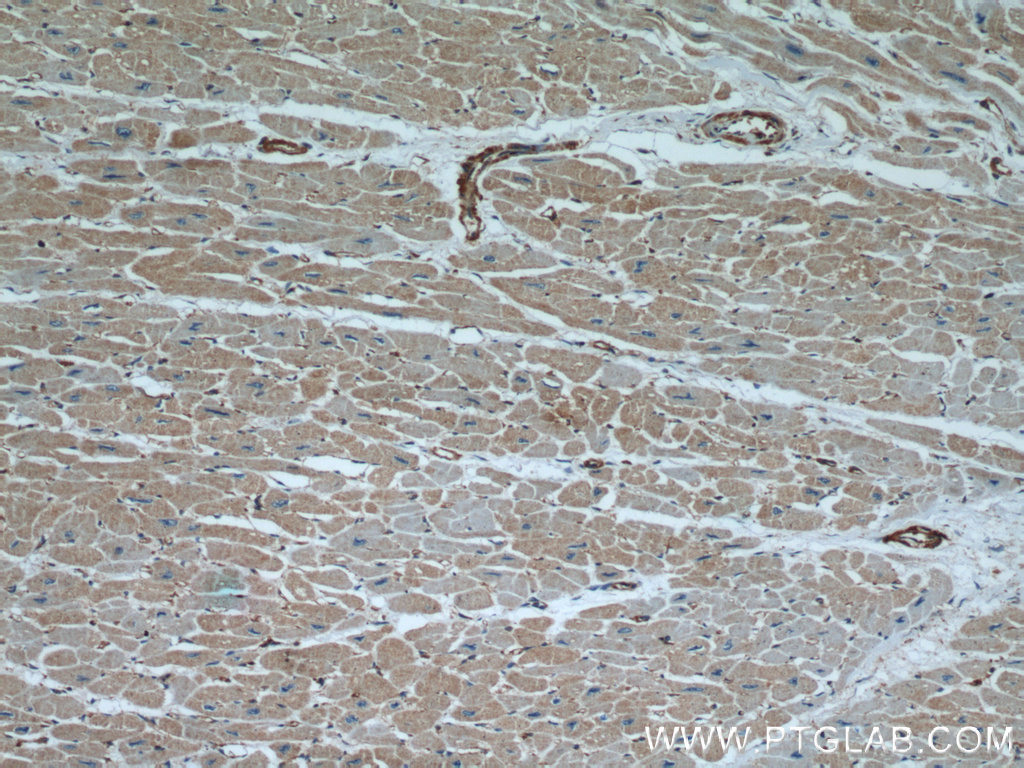
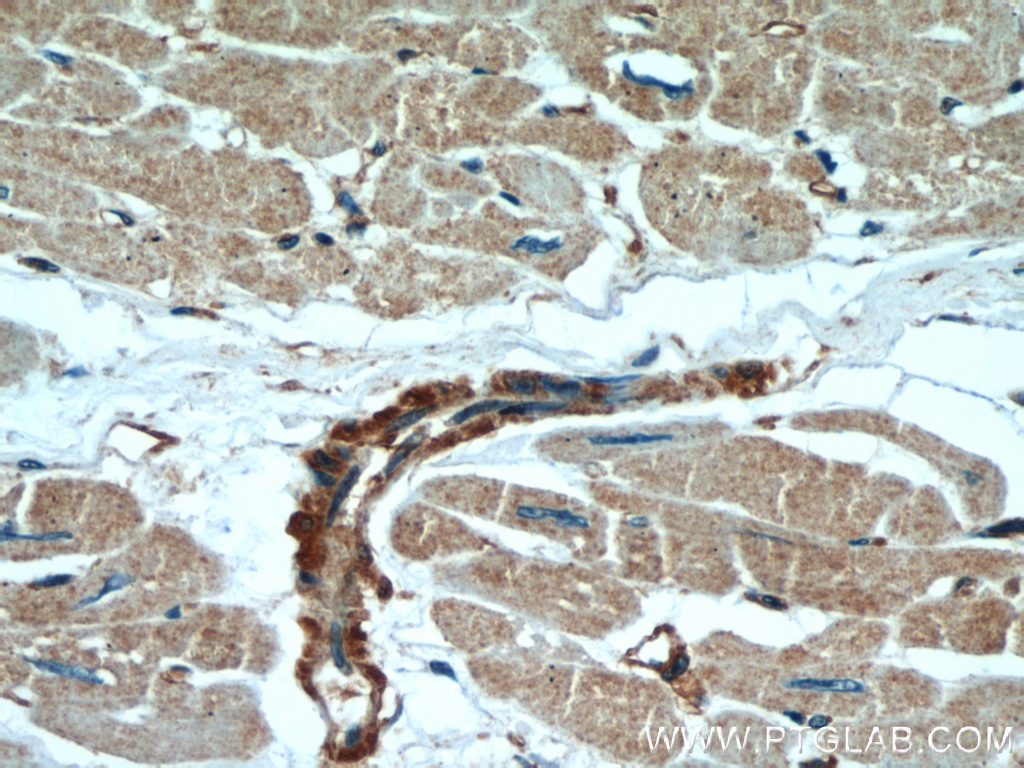
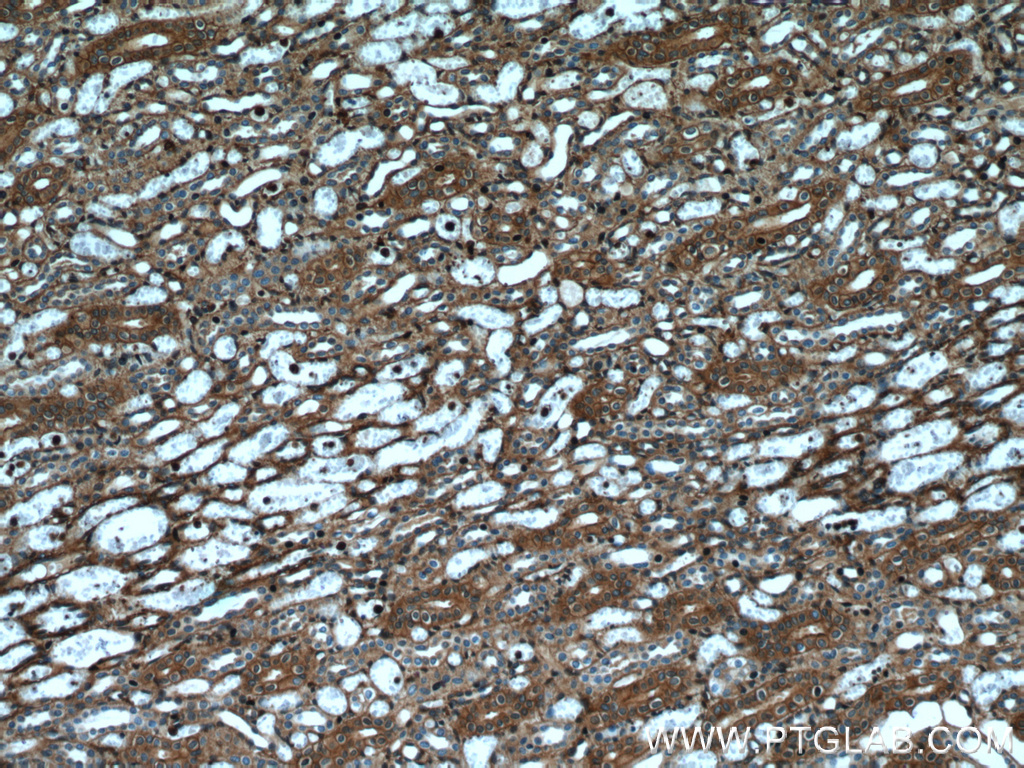
| Positive IHC detected in | human kidney tissue, human brain tissue, human colon cancer tissue, human heart tissue Note: suggested antigen retrieval with TE buffer pH 9.0; (*) Alternatively, antigen retrieval may be performed with citrate buffer pH 6.0 |
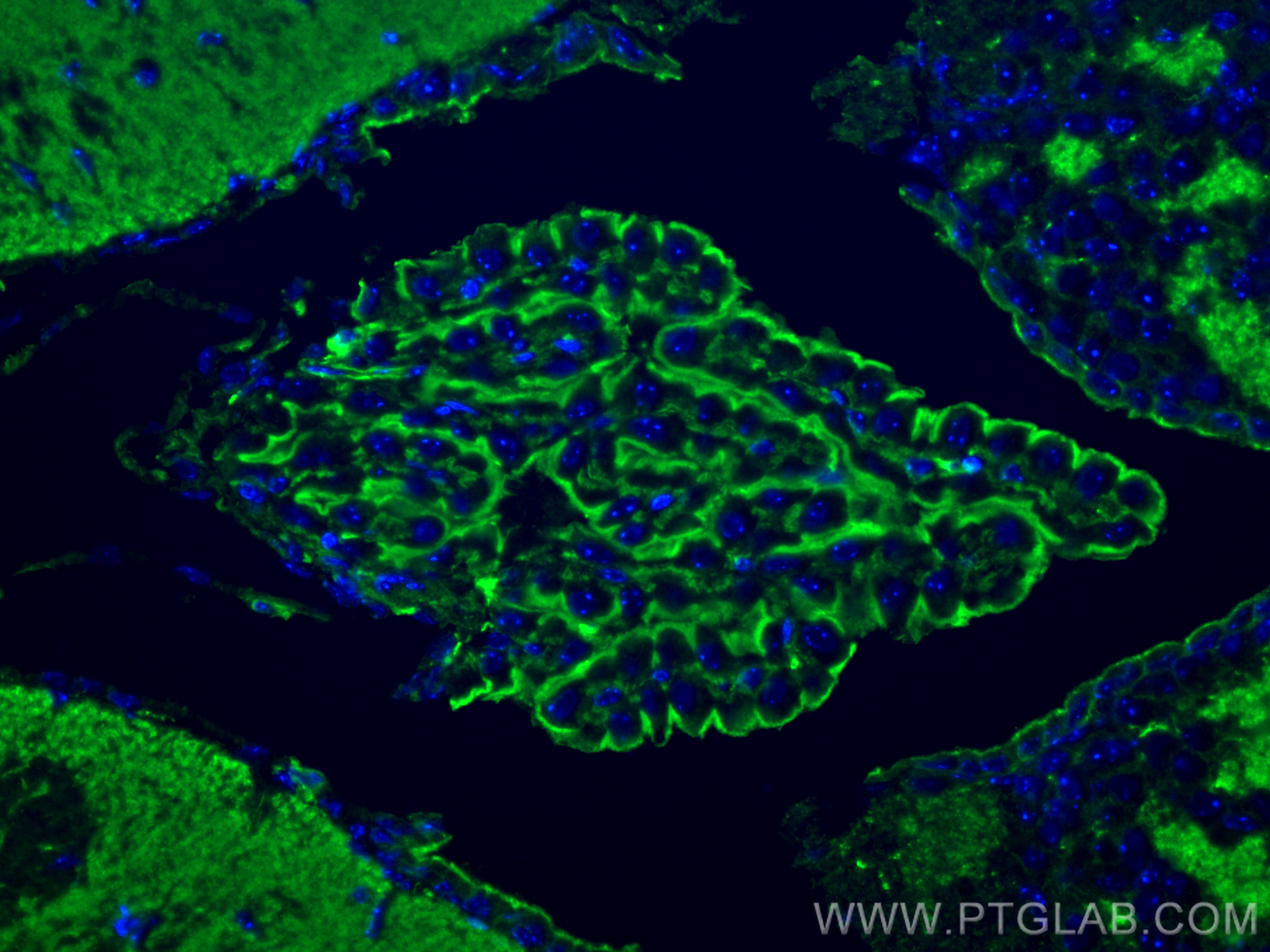
| Positive IF-P detected in | mouse brain tissue |
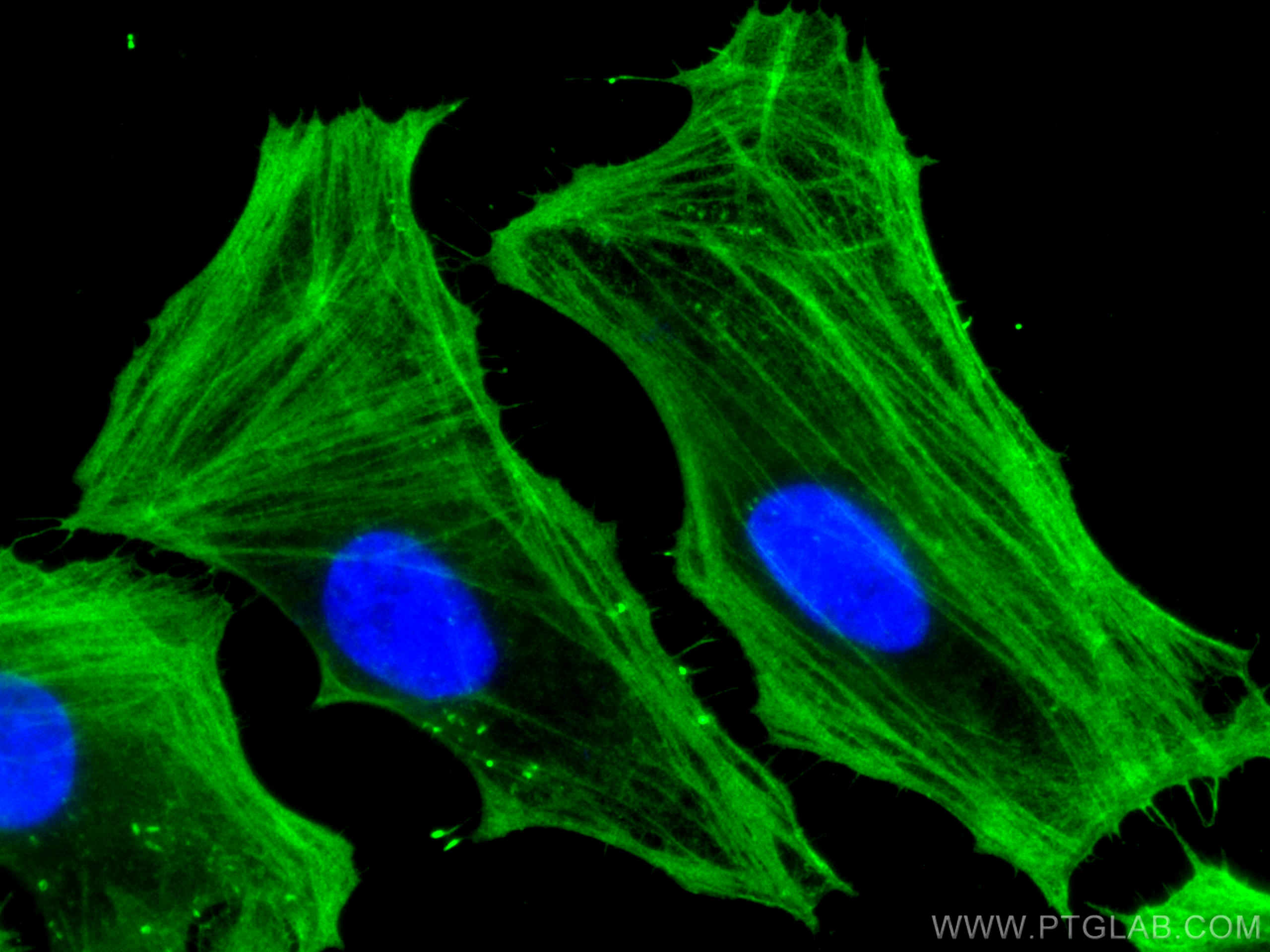
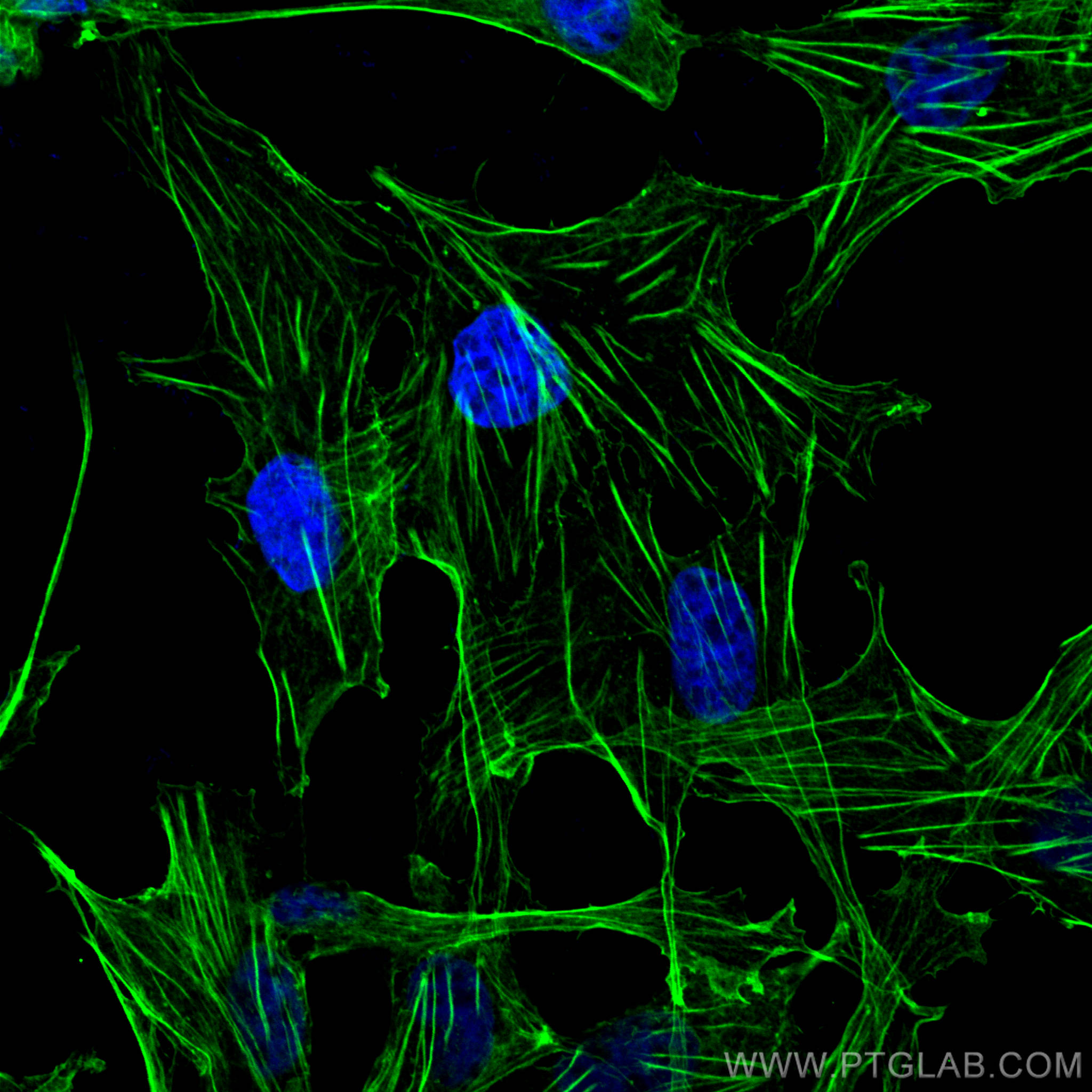
| Positive IF/ICC detected in | MDCK cells, HeLa cells |
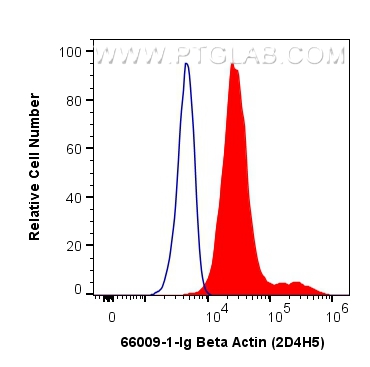
| Positive FC (Intra) detected in | HeLa cells |
推荐稀释比
| 应用 | 推荐稀释比 |
|---|---|
| Western Blot (WB) | WB : 1:20000-1:100000 |
| Immunoprecipitation (IP) | IP : 0.5-4.0 ug for 1.0-3.0 mg of total protein lysate |
| Immunohistochemistry (IHC) | IHC : 1:20-1:2000 |
| Immunofluorescence (IF)-P | IF-P : 1:500-1:2000 |
| Immunofluorescence (IF)/ICC | IF/ICC : 1:500-1:2000 |
| Flow Cytometry (FC) (INTRA) | FC (INTRA) : 0.40 ug per 10^6 cells in a 100 µl suspension |
| It is recommended that this reagent should be titrated in each testing system to obtain optimal results. | |
| Sample-dependent, Check data in validation data gallery. | |
产品信息
66009-1-Ig targets Beta Actin in WB, IHC, IF/ICC, IF-P, FC (Intra), IP, CoIP, ChIP, RIP, ELISA, Western Blot applications and shows reactivity with human, mouse, rat, pig, rabbit, canine, monkey, chicken, zebrafish, hamster samples.
| 经测试应用 | WB, IHC, IF/ICC, IF-P, FC (Intra), IP, ELISA Application Description |
| 文献引用应用 | WB, IHC, IF, IP, CoIP, ChIP, RIP, ELISA, Western Blot |
| 经测试反应性 | human, mouse, rat, pig, rabbit, canine, monkey, chicken, zebrafish, hamster |
| 文献引用反应性 | human, rat, chicken, goat, sheep, c.elegans, aedes albopictus, arabidopsis, golden hamsters, cat |
| 免疫原 |
Recombinant protein 种属同源性预测 |
| 宿主/亚型 | Mouse / IgG2b |
| 抗体类别 | Monoclonal |
| 产品类型 | Antibody |
| 全称 | actin, beta |
| 别名 | ACTB, Actin, β actin, 2D4H5, Actin cytoplasmic 1 |
| 计算分子量 | 42 kDa |
| 观测分子量 | 42 kDa |
| GenBank蛋白编号 | NM_001101 |
| 基因名称 | Beta Actin |
| Gene ID (NCBI) | 60 |
| RRID | AB_2687938 |
| 偶联类型 | Unconjugated |
| 形式 | Liquid |
| 纯化方式 | Protein A purification |
| UNIPROT ID | P60709 |
| 储存缓冲液 | PBS with 0.02% sodium azide and 50% glycerol, pH 7.3. |
| 储存条件 | Store at -20°C. Stable for one year after shipment. Aliquoting is unnecessary for -20oC storage. |
背景介绍
Actins are highly conserved globular proteins that are involved in various types of cell motility and are ubiquitously expressed in all eukaryotic cells. At least six isoforms of actins are known in mammals and other vertebrates. Beta-actin (or β-actin) is a cytoskeletal actin isoform, highly conserved and ubiquitously expressed in eukaryotic organisms, making it a commonly used "housekeeping gene" in many laboratory techniques. It has been widely used as the internal control in RT-PCR and Western Blotting. The isotype of this antibody is IgG2b.
What is the molecular weight of beta-actin?
42 kDa
What is the function of beta-actin?
Actins are a key part of the cytoskeleton and are involved in cell motility, structure, and signaling, with beta-actin as part of the contractile apparatus. Beta-actin is located in the cytoplasm of non-muscle cells, particularly where the plasma membrane meets the cytoskeleton (PMID: 1993736) and is found co-distributed with alpha-actin (PMID: 9490838).
What are the applications for beta-actin?
As it is ubiquitously and constitutively expressed, beta-actin is a useful loading control in techniques such as RT-PCR and Western Blots to measure baseline expression and degradation. Beta-actin can be used as a reference gene to normalize mRNA or protein levels in quantitative studies of expression. Although some evidence suggests variation in tissue types and developing embryos (PMID: 23099774) if expression is stable across conditions, beta-actin is still considered by many to be a suitable gene for normalization.
Beyond its role as a housekeeping gene, it has been shown that beta-actin associates with endothelial nitric-oxide synthase (eNOS) and can therefore regulate nitric oxide activity in endothelial cells (PMID: 12734108).
What are the post-transcriptional modifications (PTMs) to beta actin?
Alterations to actin proteins can modulate their properties and function. While small molecules are known to alter actin, post-translational modifications such as phosphorylation and acetylation can also affect actin (PMID: 23195437). Modifications to actin have been associated with diseases including but not limited to age-related macular degeneration (PMID: 17652714), cardiovascular disease (PMID: 21232667), and Alzheimer's disease (PMID: 11246152).
For murine tissue sample, conjugated antibody (HRP-66009) or rabbit antibody (20536-1-AP) is preferable.
实验方案
| Product Specific Protocols | |
|---|---|
| FC protocol for Beta Actin antibody 66009-1-Ig | Download protocol |
| IF protocol for Beta Actin antibody 66009-1-Ig | Download protocol |
| IHC protocol for Beta Actin antibody 66009-1-Ig | Download protocol |
| IP protocol for Beta Actin antibody 66009-1-Ig | Download protocol |
| WB protocol for Beta Actin antibody 66009-1-Ig | Download protocol |
| Standard Protocols | |
|---|---|
| Click here to view our Standard Protocols |
发表文章
| Species | Application | Title |
|---|---|---|
Signal Transduct Target Ther The Agpat4/LPA axis in colorectal cancer cells regulates antitumor responses via p38/p65 signaling in macrophages. | ||
Signal Transduct Target Ther Severe acute respiratory syndrome coronavirus 2 (SARS-CoV-2) membrane (M) protein inhibits type I and III interferon production by targeting RIG-I/MDA-5 signaling. | ||
Signal Transduct Target Ther PUMA facilitates EMI1-promoted cytoplasmic Rad51 ubiquitination and inhibits DNA repair in stem and progenitor cells. | ||
Signal Transduct Target Ther SARS-CoV-2 NSP5 and N protein counteract the RIG-I signaling pathway by suppressing the formation of stress granules. | ||
Signal Transduct Target Ther Branched-chain amino acid transaminase 1 confers EGFR-TKI resistance through epigenetic glycolytic activation | ||
Signal Transduct Target Ther Epigenetic reader ZMYND11 noncanonical function restricts HNRNPA1-mediated stress granule formation and oncogenic activity |